
China's thermal battery breakthrough could reshape storage

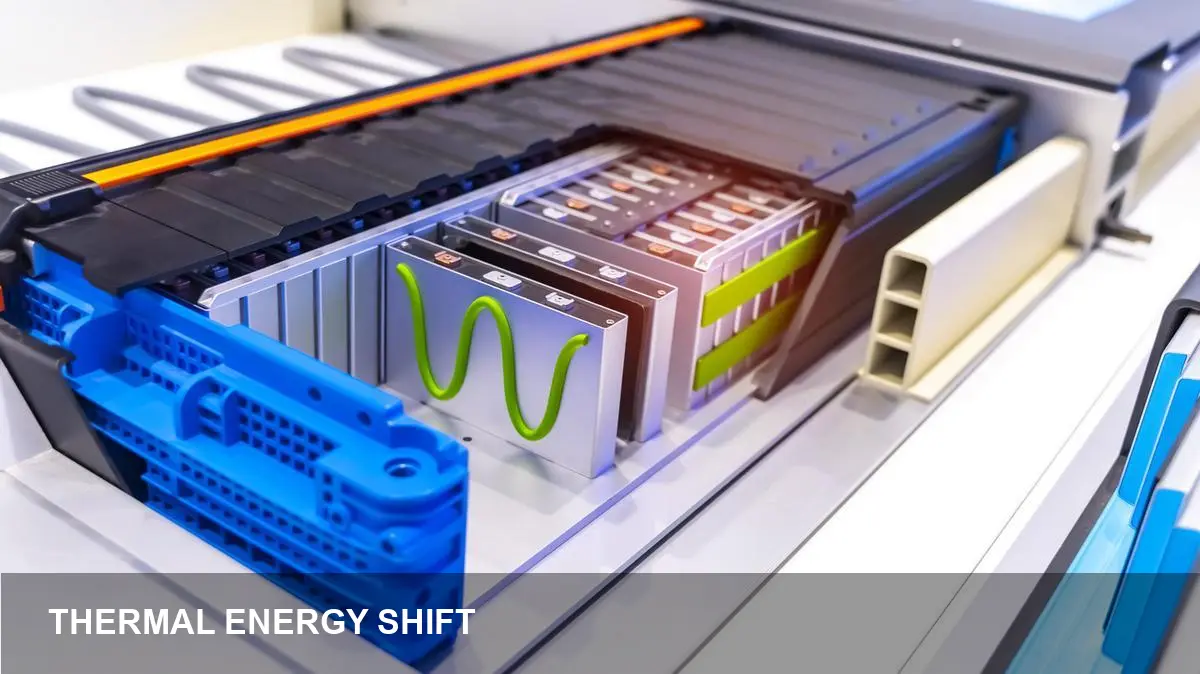
- Key Takeaways:
- Chinese researchers report a thermal-battery breakthrough that may solve a long-standing conversion and density trade-off.
- Thermal batteries offer extreme durability and low self-discharge but traditionally lag in energy density and power output.
- If validated at scale, the advance could broaden thermal storage use in grids, EVs, and harsh-environment systems.
- Significant scale-up, cost and materials questions remain before commercial impact.
What are thermal batteries and why they matter
Thermal batteries store energy as heat rather than as chemical energy in electrodes. Many designs use phase-change materials, molten salts or other high-temperature media to hold large amounts of thermal energy for long periods.
The main strengths are durability, extremely low self-discharge and tolerance to temperature swings and long-term storage. That makes them attractive for backup power, remote installations and long-duration grid storage.
The reported breakthrough and the shortcoming it targets
According to the reports, researchers in China have demonstrated a technological improvement that could address the key shortcoming of thermal storage: converting stored heat back into usable electricity with competitive efficiency and power density.
Historically, thermal systems have struggled with low gravimetric/volumetric energy density and relatively slow, inefficient heat-to-electricity conversion compared with batteries and electrochemical systems. The breakthrough reportedly mitigates that gap, improving either the storage medium, the heat-exchange architecture, or the conversion stage such as thermoelectrics or heat engines.
Why this could change energy storage choices
If the claims hold up under independent testing and scale-up, thermal batteries could move from niche roles into broader applications. Improved conversion efficiency and higher effective energy density would make them viable for daily cycling in grids, rather than only seasonal or backup roles.
That would increase options for integrating intermittent renewables, provide low-maintenance storage for distributed sites, and potentially offer a safer, longer-life alternative to lithium-ion in certain use cases.
Remaining hurdles and what to watch next
Key questions remain: the cost and availability of new materials, cycle life under real-world conditions, system-level round-trip efficiency and how well prototypes translate into manufacturable products.
Watch for peer-reviewed papers, third-party efficiency measurements, pilot deployments and announcements about partnerships with utilities or manufacturers. Those will show whether the lab result can become an industry shift or is an incremental improvement in a promising field.
Bottom line
The reported Chinese breakthrough rekindles interest in thermal energy storage by attacking its weakest links. Validation and commercialization will determine if it truly “changes everything” or simply widens the toolbox for specific energy-storage niches.