Apple Watch finds 4x more AFib — 57% asymptomatic

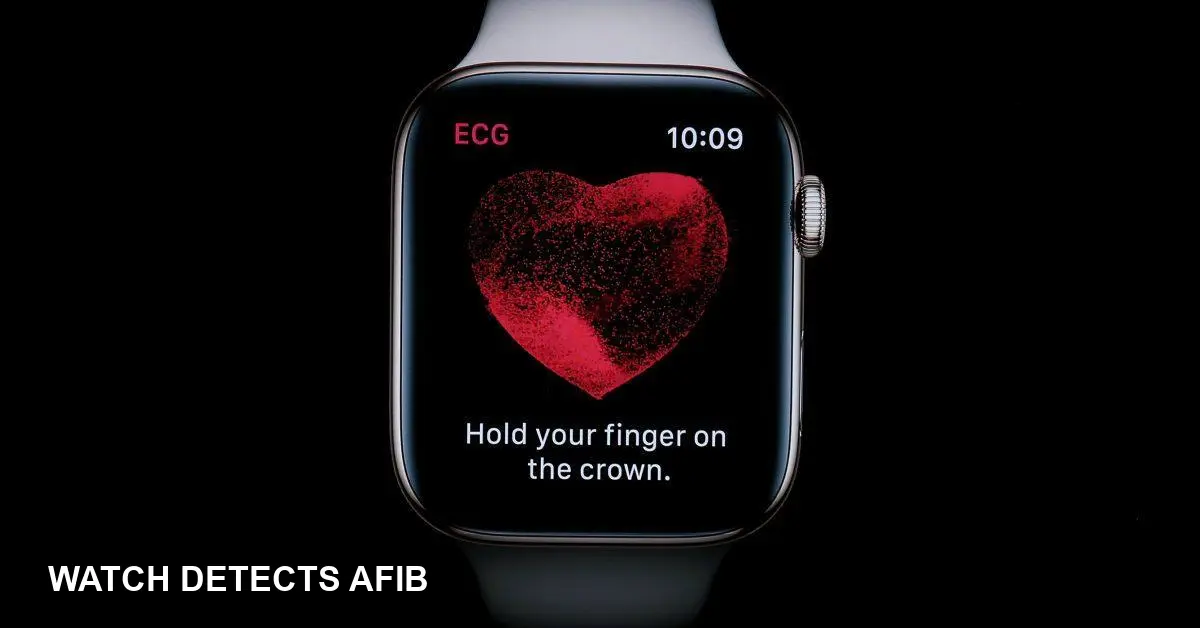
- Apple Watch detected four times as many atrial fibrillation (AFib) cases as standard care in a new peer‑reviewed study.
- The smartwatch identified AFib in many people who had no symptoms — 57% of detected cases were asymptomatic.
- Results suggest wearables could expand screening reach, but clinical follow‑up and guideline updates are needed.
- Patients should consult clinicians about abnormal readings; the study highlights benefits and limits of consumer monitoring.
What the study found
A peer‑reviewed research paper reports that the Apple Watch detected 4x more AFib cases than standard care. The study also found that 57% of those detected by the watch had no symptoms.
The paper compares outcomes from Apple Watch monitoring to what researchers call standard care — routine clinical monitoring and usual medical visits. The headline numbers show the smartwatch identifies substantially more AFib, including many cases that would otherwise remain unnoticed.
Why it matters
Atrial fibrillation is a common heart rhythm disorder that raises stroke risk. Detecting AFib earlier can allow anticoagulation or other treatments that reduce that risk.
That the Apple Watch caught a high share of asymptomatic cases matters because people without symptoms typically don’t seek testing. Wearable detection could therefore widen access to early diagnosis and preventive care.
Clinical and practical implications
The study strengthens evidence that consumer wearables like the Apple Watch can play a role in cardiovascular screening. Physicians may increasingly see device‑generated data in primary care, cardiology, and telehealth settings.
However, device‑based detection is not the same as a clinical diagnosis. Abnormal readings from a watch usually require confirmation with medical testing (ECG, Holter monitor, or clinician assessment) before treatment decisions.
Limitations and next steps
The research is peer‑reviewed, but questions remain about false positives, population scope, and long‑term outcomes from watch‑based detection. Larger and longer studies would help clarify who benefits most and how often follow‑up is needed.
Guideline groups and regulators will likely examine these findings when updating screening recommendations. Meanwhile, clinicians should be prepared to discuss wearable‑generated rhythm data with patients.
What patients should do
If an Apple Watch flags possible AFib, users should contact their healthcare provider for confirmation and advice. Wearables can alert people to potential problems, but medical evaluation remains essential for safe, effective care.