Kyrsten Sinema Fuels Fight Over Chandler AI Data Center

- Key Takeaways:
- Former Sen. Kyrsten Sinema publicly backed a $2.5 billion AI-focused data center proposal in Chandler, Arizona, warning federal "preemption" could override local rules.
- Chandler staff recommended denying the project, citing low job creation and infrastructure strains; Salt River Project is requiring a $242 million up-front payment for power upgrades.
- Residents outnumber supporters by more than 20-to-1; critics cite noise, water stress and higher electricity bills tied to data center growth.
- The debate ties into the Trump administration’s AI plan to fast-track data centers and a DOE estimate that data centers could use 6.7–12% of U.S. electricity by 2028.
Local standoff: Chandler’s data center dilemma
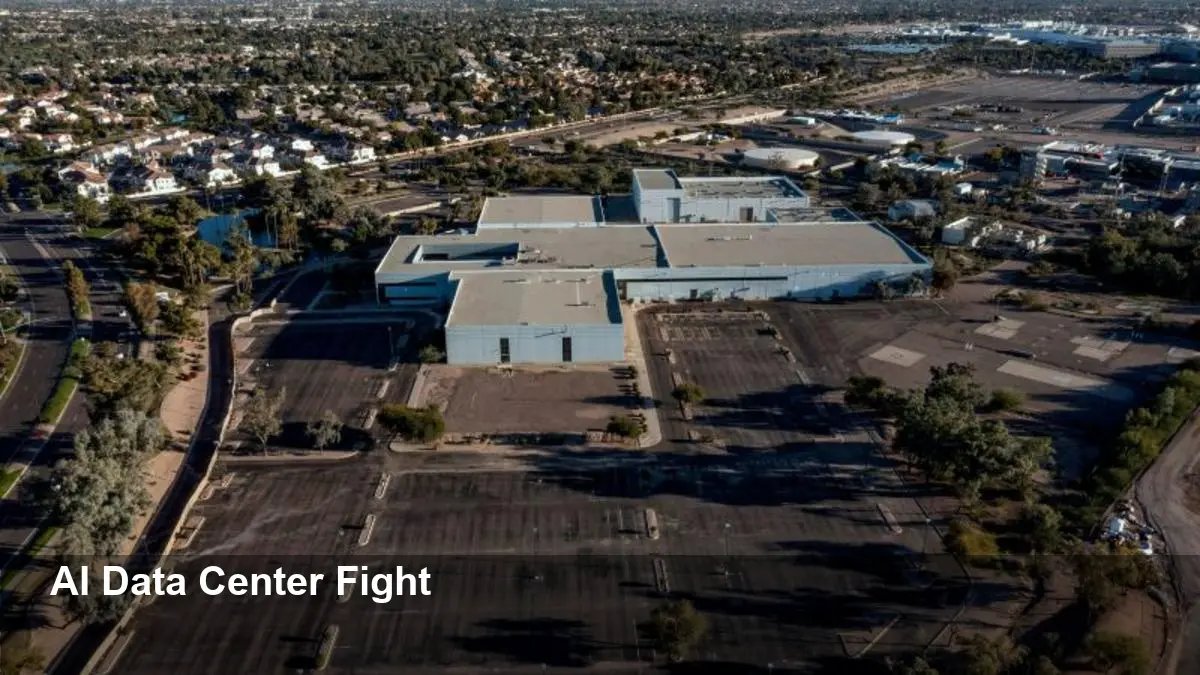
Chandler adopted strict data center restrictions three years ago after years of noise complaints and concerns about water and rising electric bills. City staff told the council the new proposal — a technology park anchored by a seven-story, football-field-long AI data center — would bring "extremely low employment per square foot" compared with other uses.
Residents mobilized quickly. Andy Hoefer, who learned about the project from a notice, asked: "Do we really need 11?" His neighbors have sent thousands of postcards and emails opposing the project, and a City Council memo shows opposition outnumbers support by more than 20-to-1.
Developer claims and supporters
ActiveInfrastructure developer Jeff Zygler positions the project as a catalyst for AI-focused businesses and pledged additional buildings to attract tenants. Attorney Adam Baugh told the city, "Calling this a data center is like comparing a Walkman and an iPhone," arguing the facility would be a higher-tier AI hub.
The Arizona Technology Council countered that data centers generate construction jobs and multiplier effects in the local economy, while industry allies point to competitive full-time pay for onsite roles.
Kyrsten Sinema’s intervention and federal preemption
Sinema, co-chair of the AI Infrastructure Coalition, appeared at a zoning meeting and warned city leaders that "Federal preemption is coming," saying Chandler may lose the ability to control where AI data centers are built. Her remarks — and later disclosure that she has a contract with the project’s builder — intensified local opposition.
Sinema told CNN her remarks were misconstrued and said, "I believe in local control." Councilmember OD Harris said residents were "fired up" after her appearance, calling the message more promise than threat.
Energy, water and the grid
Utilities say data center power requests are enormous: Salt River Project requires a $242 million payment from the Chandler developer to build capacity. Arizona Public Service has sought rate increases amid growing demand, and a DOE report projects data centers could consume up to 12% of U.S. electricity by 2028.
Water is also a concern in Arizona’s arid climate. Although many AI facilities favor dry cooling (increasing electricity use), residents worry about long-term resource strain.
What’s next
Chandler’s City Council is set to vote Thursday. The decision will test the balance between attracting AI infrastructure and protecting local services, costs and quality of life — a dynamic now echoing across battleground states as national AI policy and utility planning collide.