Xbox Partner Preview: Hades 2, The Expanse and Bluey — developer playbook

A showcase with intent
Microsoft’s recent Xbox Partner Preview highlighted a trio of very different projects — the Xbox port of Hades 2, a game based on The Expanse, and a Bluey title for younger players. That mix (indie roguelike, TV-IP tie-in, children’s franchise) isn’t random. It signals how Xbox is balancing first-party muscle and platform-level discovery tools with third-party and licensed content to serve several audiences at once.
If you build games, publish them, or run a studio, the concrete lessons from a show like this matter more than the reveal clips. Below I unpack what those announcements imply for development workflows, monetization choices like Game Pass, and practical steps teams should take when targeting Xbox platforms (Series X|S, PC and cloud).
Why these three games matter
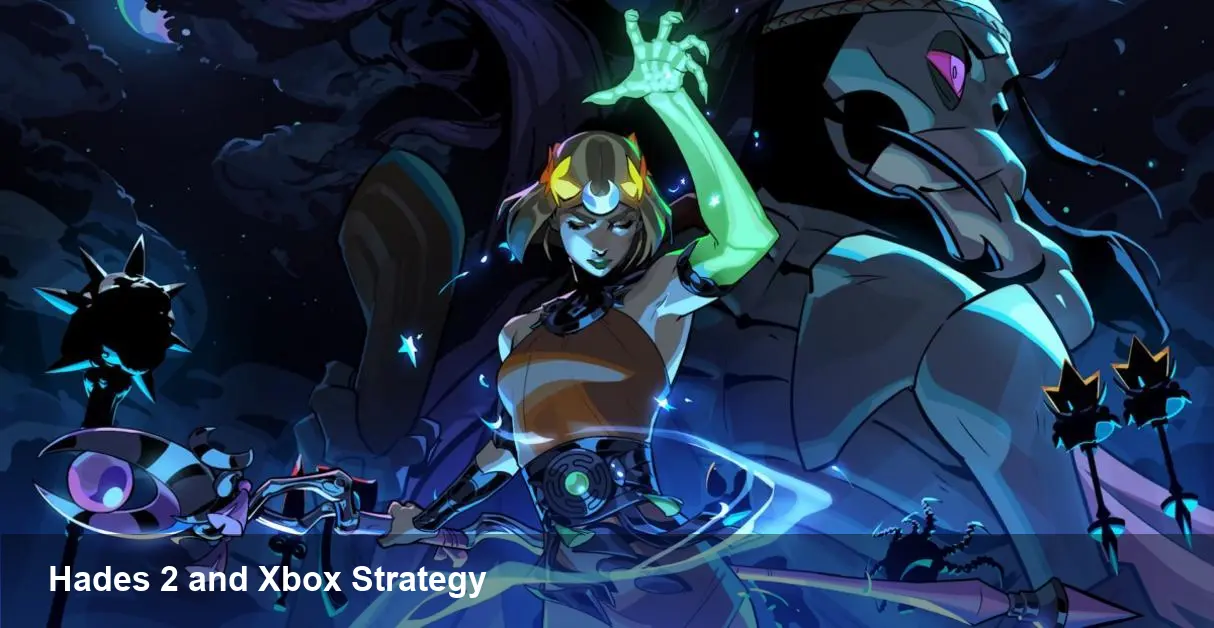
- Hades 2: A critically anticipated indie follow-up being ported to Xbox demonstrates the ongoing appetite for premium indie titles on consoles and how porting workflows have matured.
- The Expanse game: TV/IP tie-ins are valuable for reach but require a different production and licensing playbook.
- Bluey: Targeting families and kids forces attention on accessibility, localization, and platform safety features.
Together they show Xbox courting varied player segments while using its platform services — Game Pass, cloud streaming, Xbox Live features — to amplify visibility.
Practical implications for developers and publishers
Discoverability vs. revenue: the Game Pass trade-off
Getting your title into Game Pass can produce large-day-one audiences and long-term engagement, but it changes economics. Instead of relying primarily on unit sales, teams must negotiate placement fees, potential milestones, and marketing commitments. For indies, the exposure can justify the trade; for licensed or premium-priced titles, publishers should model revenue scenarios carefully.
Example: an indie studio planning a Hades-like release faces two options — launch on Xbox storefront and Steam or accept a Game Pass deal. The latter can mean guaranteed income and more players, but fewer direct storefront purchases. Factor in user acquisition value, community growth, and long-term IP potential when deciding.
Porting and technical priorities for Xbox
Porting a successful PC-first game like Hades 2 to Xbox is less about simple recompilation and more about platform-specific polish:
- Controller-first UX and input remapping
- Performance targets for Series X|S (dynamic resolution, frame-rate modes)
- Achievements, Xbox Live integration, cloud saves and cross-progression
- Certificate testing and compliance with Microsoft's submission rules
A typical timeline for a small team: 2–4 months of core port work, then 1–2 months for optimization and certification if devs already have experience with the Xbox SDK. If you’re inexperienced, add time to integrate Xbox Live and to run compliance passes.
IP-based titles and platform constraints
Games tied to TV shows like The Expanse require close coordination with rights holders. Timelines often sync with marketing windows (season premieres, streaming launches). That adds pressure: you must hit a release date while still satisfying QA and certification.
For family-focused games (Bluey), prioritize content ratings, parental controls compatibility, and safe monetization. Xbox’s ecosystem supports platform-level parental controls and family settings that you’ll need to integrate with and test.
A practical launch checklist for Xbox targets
- Early: contact Microsoft’s partner/dev relations to discuss devkits, Game Pass interest, and certification timelines.
- Dev stage: implement Xbox Live, cloud save, achievements, and controller mapping.
- QA: run platform certification checks (TRC-style items), performance profiling on Series S/X, and accessibility testing (subtitles, UI scaling, color contrast).
- Release prep: finalize store metadata, localization, ESRB/PEGI ratings, and prepare marketing assets sized for Microsoft Store and Game Pass placements.
- Post-launch: instrument analytics for retention, acquisition, and Game Pass conversion metrics.
Downsides and limits to plan for
- Certification can be unpredictable and timeline-sensitive — allocate buffer.
- Optimization for both Series S and Series X can create additional QA burden (maintain two performance targets).
- If relying on Game Pass exposure, marketing must still be robust; placement alone doesn’t guarantee discoverability.
- Licensing deals (for IP games) often impose creative limits and deadlines.
Two scenario examples
1) Small indie porting a roguelike: Start Xbox integration as soon as the core loop is stable. Prioritize controller feel and networked features if you plan cross-progression. Engage Microsoft early for devkit access and to explore Game Pass placement.
2) Mid-sized studio building a licensed family title: Layer legal milestones, localization, and platform safety testing into the schedule. Align with the IP owner’s marketing windows and make parental-control compatibility a QA priority.
Where this heads next
1) Game Pass shapes launch strategies — more teams will weigh guaranteed audience vs. long-term sales upside. 2) Cross-platform parity and cloud streaming reduce the barrier for PC-first titles to reach consoles, increasing demand for robust porting toolchains. 3) A wider spread of IP (adult, family, indie) on Xbox suggests Microsoft is positioning the platform as a broad marketplace, not just a first-party showcase.
If you’re shipping on Xbox soon: focus on the controller experience, get compliance checks in early, and treat Game Pass negotiations as strategic business decisions that affect product roadmap and community-building plans. Whether you’re building a tight indie roguelike or a kids’ title tied to Bluey, the platform gives reach — but that reach requires deliberate engineering and business choices to convert into lasting audience and revenue.