Why Xbox Free Play Days Matter for Players and Developers

What Xbox Free Play Days is and why it works
Xbox Free Play Days are short windows when full games are made available to play at no extra charge for eligible players on the Xbox platform. Historically tied to membership tiers, these events let people try premium titles with no upfront purchase risk. For Microsoft the mechanism is simple: lower friction for trial, spike engagement, then convert players either to a paid purchase or a recurring subscription.
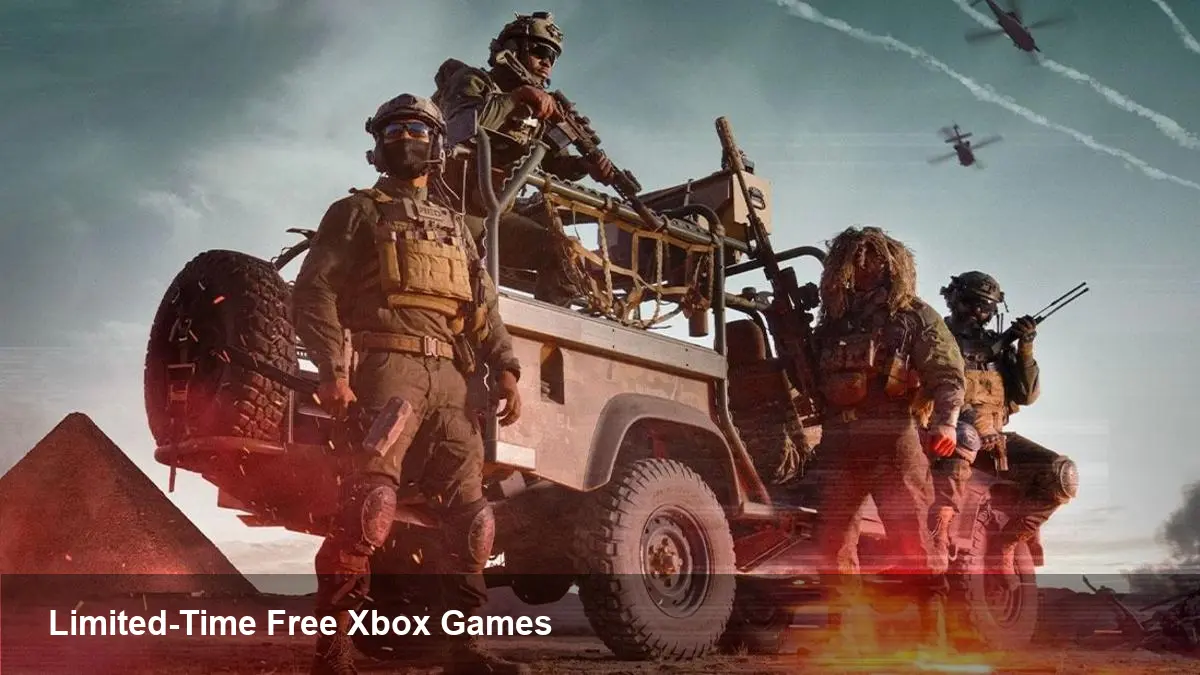
A recent Free Play Days slate included five titles — notably featuring a high-profile AAA release from 2025 — illustrating how Microsoft mixes marquee hits with mid-tier and indie picks to maximize discovery and market coverage.
The player perspective: low-friction exploration
For players the value is immediate. Limited-time free access accomplishes several practical things:
- Try-before-you-buy on big-budget games that otherwise feel like a financial gamble.
- Multiplayer matchmaking becomes easier when friends can jump in together without buying the title.
- Casual discovery: players often encounter genres or studios they wouldn’t normally select.
Concrete scenario: imagine a small group of friends sees a buzzed AAA shooter added to Free Play Days. They install it, spend the weekend forming a squad, and — after experiencing co-op and a premium DLC trailer inside the game — three of them decide to buy the title and two buy the DLC. That conversion plus the social momentum is the exact outcome publishers want.
How developers and publishers should think about these windows
For studios, Free Play Days is a marketing channel that needs planning, not an ad-hoc giveaway. Here are practical steps teams can take to get the most value:
- Prepare a tailored onboarding experience. Use the initial runs to surface tutorials, recommended loadouts, or a short guided campaign that hooks new players within the first 30–60 minutes.
- Create a short-term monetization funnel. Offer a clear time-limited discount on the base game and on key DLCs for players who try the game during the event; push these offers in-game and via Xbox notifications.
- Optimize multiplayer playlists and servers. Expect spikes in concurrent users. Use autoscaling for back-end services and pre-warm matchmaking to reduce queue times and first-session drop-off.
- Tag telemetry for conversion analysis. Track metrics like session length, completion of onboarding tasks, time to first purchase, and social invites sent. These will reveal whether the event is acquiring long-term players or just short-term browsers.
- Coordinate cross-promotions. Tie the Free Play Days slot to live events, canned streams, or influencer drops to amplify reach.
These tactics turn a temporary free window into a sustained retention pipeline rather than a freebie with no downstream impact.
Measuring success: metrics that matter
Many teams instinctively measure downloads, but the best signals are deeper: engagement-to-conversion rate (how many free-week players buy within 14–30 days), retention (D1/D7/D30), average revenue per paying user (ARPPU) post-event, and net new subscriber conversions if you’re pushing Game Pass or similar bundles.
A hypothetical benchmark: a healthy UA campaign tied to a Free Play Days event might convert 3–7% of players into buyers within 30 days, with a higher uplift for titles that successfully use in-game hooks and limited-time discounts.
Platform implications and business value for Microsoft
For Microsoft, these events are a lever to keep the Xbox ecosystem sticky: they increase time spent on the console, strengthen social hooks (friends playing together), and provide data to tailor future promotions. Featuring a 2025 AAA release alongside smaller titles is also strategic — the big name attracts attention and the smaller games capture spillover discovery.
Over time, Free Play Days can reduce acquisition costs for publishers and increase lifetime value for players who discover games they actually enjoy. For Microsoft, it helps maintain an active user base that is more likely to renew subscriptions and buy add-ons.
Risks and common pitfalls
- Cannibalization: If discounts are too deep or the trial experience is too generous, players might wait for future free windows instead of buying at launch.
- Technical failures: server overloads during a free weekend can damage reputation; invest in stress testing and autoscaling.
- Poor onboarding: without focused first-hour experiences, many trial players will never convert and statistics will look weak.
What this trend means going forward
- Free windows will become a standard UA channel for premium titles. Expect publishers to build repeatable playbooks for these events as they do for ad buys and influencer drops.
- Cloud streaming reduces friction further. As xCloud and similar services expand, the barrier to trying big titles drops — you can jump into a free weekend from a phone or low-powered device, broadening reach.
- Data-driven dynamic promotions will win. Publishers that pair real-time telemetry with adaptive discounts and messages will convert at higher rates than those using static offers.
Practical checklist for the next Free Play Days
- Ensure a clear, visible discount tied to the event.
- Ship a tight first-hour tutorial and recommended loadout path.
- Pre-scale servers and test matchmaking under load.
- Instrument conversion-focused telemetry events.
- Coordinate at least one influencer or owned-channel stream during the window.
When done well, a limited-time free window is not a giveaway — it’s a calculated growth tactic. For players it's a way to explore without risk; for developers and publishers it's an acquisition and conversion engine; for platform owners it’s a retention and ecosystem play. With the increasing role of cloud streaming and data-driven marketing, these short-term access windows will likely become more central in a game's lifecycle strategy.
Would you like a template for the telemetry events and discount timing I mentioned? I can sketch one that aligns to common engagement funnels and Xbox notification capabilities.