What Two First‑Party Switch 2 Ratings Signal for Launch

Why two ratings matter more than they seem
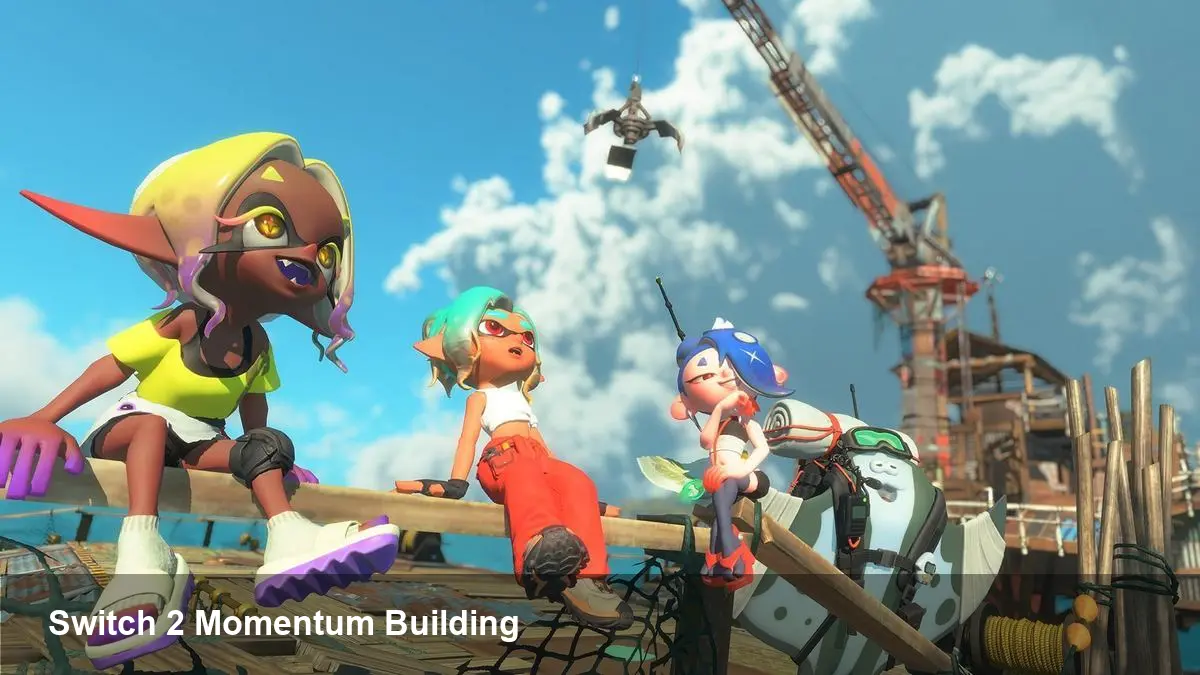
When two first‑party Nintendo titles suddenly show up in a ratings database tagged for the next Switch hardware, it’s more than a trivia point for fans. Game ratings are a formal step publishers take before release: they affect packaging, legal compliance, marketing, and region‑specific storefront requirements. For Nintendo this is a practical indicator that software development and certification work for the new console is active — and that a public launch may be closer than the rumor mill suggests.
A quick background on Nintendo and the Switch lifecycle
Nintendo’s original Switch launched in 2017 and reshaped expectations around hybrid consoles. Hardware revisions such as the Switch OLED (2021) extended the platform’s commercial life. An eventual successor — widely referred to as “Switch 2” by press and players — has been discussed for years. Seeing first‑party titles cleared with ratings tied to successor hardware is the clearest signal yet that Nintendo’s internal studios are building or adapting launch window experiences.
Practical implications for developers
- Dev kits and API stability: First‑party titles getting rated imply that Nintendo has provided stable dev kits and finalized key APIs for partners. Third‑party studios should expect increasingly mature SDKs and fewer runtime surprises as the platform approaches launch.
- Target performance and assets: If Nintendo’s first‑party teams are submitting builds for ratings, they’re likely close to final performance targets (resolution, frame rate, memory footprint). Indies and middleware vendors should start profiling around those targets — focusing on texture budgets, streaming, and load times rather than speculative high‑end features.
- Certification timelines: Ratings are a parallel track to platform certification but usually align. Studios that haven’t begun the rating/cert process should accelerate QA cycles, localization, and ESRB/PEGI paperwork to avoid missing a potential launch window.
Concrete example: an indie action studio planning a Switch 1 release should create a branch for the successor early. Prepare scalable assets (L0/L1 texture sets), abstract platform file I/O, and make cloud save and controller mapping modular so ports can be completed in weeks rather than months.
What publishers and retailers read into ratings
Retailers and distributors monitor ratings to forecast inventory and marketing spend. Two first‑party ratings indicate Nintendo will have first‑party content in the pipeline — a major driver of hardware attach rates. Retailers may ramp preorder allocations and merchandising plans once more software becomes visible, and publishers might time third‑party releases to benefit from heightened retail traffic.
Business scenario: a third‑party publisher planning a multiplatform release might delay its Switch launch to coincide with the new hardware’s marketing cycle, trading an earlier release for higher visibility and sales potential.
For consumers: what to expect
If these ratings truly point to a near‑term successor launch, consumers should consider timing for hardware purchases and trade‑ins. A wave of first‑party launch titles typically defines the early user experience — so waiting for reviews or a bundle with guaranteed titles might be worth it for many buyers.
However, Nintendo historically keeps a huge back catalog active. Support for original Switch games and online services is unlikely to disappear overnight; expect a transition period where both platforms coexist.
Technical opportunities and constraints
- Storage and streaming: New hardware usually means higher asset fidelity. Developers must balance larger install sizes with cartridge/SSD cost constraints.
- New features: If the successor introduces features like improved haptics, higher display resolution, or enhanced docked performance, middleware vendors will need to update rendering paths and input layers.
- Backward compatibility: Evidence of first‑party ports can hint at the ease (or difficulty) of bringing older Switch titles forward. Compatibility decisions affect QA scope and customer upgrade incentives.
Risks and things to watch
- Supply chain and manufacturing: A software rating doesn’t guarantee console availability. Chip shortages or panel supply issues could still delay shipments even if software is ready.
- Regional rollout: Ratings may appear in specific regions first. Global availability and staggered launch windows remain possible.
- Marketing timeline: Nintendo often controls messaging tightly. Ratings can leak ahead of official dates, causing speculative press cycles that may or may not align with final plans.
Strategic moves for studios and founders
- Modularize assets: Use scalable texture/compression strategies so a single codebase supports both Switch generations with minimal branching.
- Prioritize features: Focus on core gameplay stability and steady frame rate over experimental visuals at launch; launch customers reward smooth play.
- Plan support windows: If you ship on the outgoing Switch first, define upgrade paths or paid/discounted ports for the successor to maintain goodwill and revenue.
Three forward‑looking implications
- Faster generation transition: Early first‑party ratings suggest Nintendo wants a robust launch lineup — that will accelerate the shift of third‑party ecosystems and middleware toward the new platform.
- Opportunity for optimization services: Studios will need profiling, porting, and streaming expertise. Expect consultancies and middleware sellers to position services for Switch 2 optimization.
- Renewed emphasis on launch software: As always with Nintendo, first‑party titles will likely define initial consumer perception. A strong first‑party slate can quickly tilt the market, making launch window partnerships and timed exclusives strategically valuable.
If you’re involved in console development or publishing, treat these rating sightings as an operational green light to firm up timelines, secure dev kits, and align QA and localization calendars. For players, it’s a signal to start thinking about upgrade timing and which launch titles matter most. Whether Nintendo chooses to reveal dates soon or prefers a tightly choreographed surprise, the software pathway has begun — and that’s the most tangible hint of a coming console cycle.