What the February Xbox Game Pass Drop Means

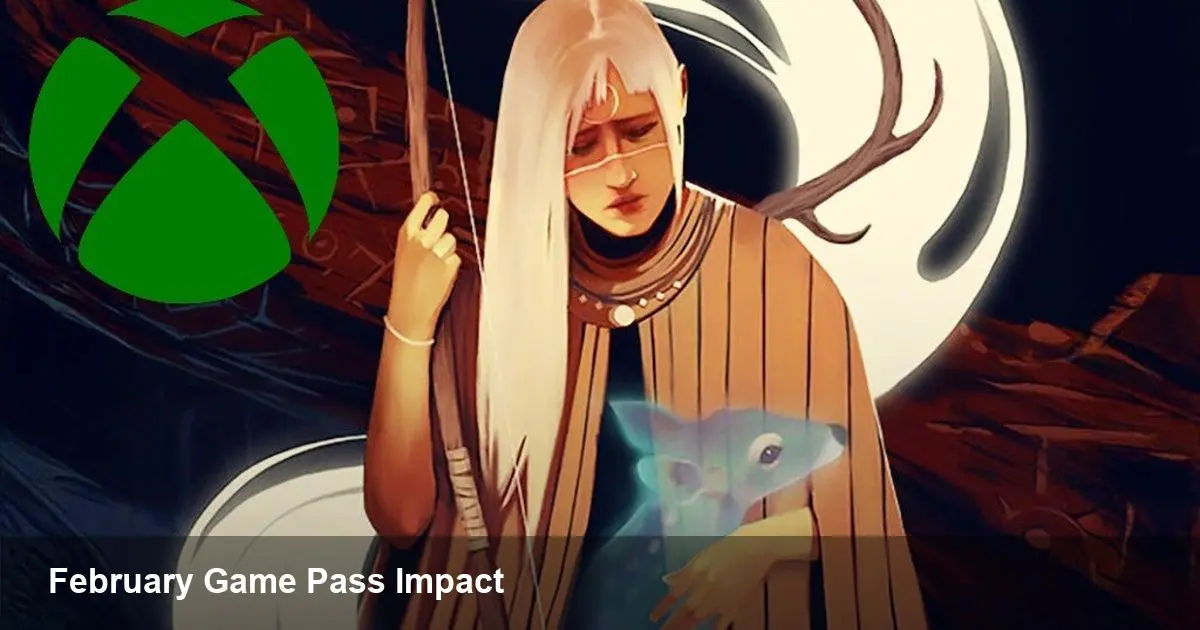
Why this February batch matters
Microsoft’s Xbox Game Pass remains one of the most influential forces in gaming distribution. Every monthly “batch” of additions — whether it includes day-one releases, indie surprises, or legacy ports — reshapes player habits and developer planning for the next quarter. The February slate is another reminder that subscription-first availability is now a strategic axis for many studios.
If you’re a player, the list is about instant access and discovery: you can jump into new releases without paying full price, try unfamiliar genres, and play across console, PC, and cloud. If you’re a developer or founder, Game Pass can be a marketing channel, a revenue guarantee, and a tradeoff between unit sales and reach.
Short background: what Xbox Game Pass is now
Launched by Microsoft as a subscription for console and PC, Xbox Game Pass is part digital storefront, part streaming service (Xbox Cloud Gaming), and part publisher-negotiation platform. It bundles first- and third-party titles alongside curated indie picks and older catalog games. Over time Microsoft has layered contracts with publishers, integrated EA Play on certain plans, and leaned into day-one releases for its acquired studios.
That combination makes each month’s additions more than a list of games — they’re signals about strategy, player retention, and where Microsoft thinks the market is moving.
How the February additions affect different users
- Players: More choice, less risk. Subscribers can sample a game they wouldn’t buy outright. For multiplayer titles, a Game Pass arrival can spike the active player base immediately, shortening matchmaking times.
- PC gamers: The PC Game Pass catalog continues to diverge slightly from console. Expect cloud-enabled titles to run differently by platform; check system specs before installing large files.
- Mobile/cloud players: For people using Xbox Cloud Gaming, February additions mean you can try titles on phones and tablets instantly—great for commuters or quick sessions.
- Families and casuals: A broader catalog enlarges the “something for everyone” appeal, making Game Pass a better value when multiple people in a household play.
Practical scenarios and examples
- Try-before-you-buy turnaround: A narrative-driven indie hits Game Pass mid-month. You play the first two hours and love it — you recommend it to friends who also subscribe, and the developer sees replay metrics spike. Later, a paid expansion is announced; an engaged Game Pass audience is more likely to buy.
- Multiplayer reboot: A mid-tier online game launches on Game Pass to revive its player base. Because subscribers get instant access, the title gets cross-platform matchmaking back to healthy levels, making season passes and cosmetic sales viable again.
- Small studio visibility: An unknown studio uses a Game Pass deal as a marketing shortcut. Instead of spending heavily on UA (user acquisition), the team gains access to tens of millions of subscribers who might try the game and create social buzz.
Tips to get the most as a subscriber
- Prioritize: Use the Game Pass app’s filters to sort by “Leaving soon” and “New”. If a game you want to keep is on the exit list, play it now or buy with the subscriber discount.
- Leverage cloud saves: Start on mobile or console, resume on PC. Cloud saves keep momentum across devices without manual transfer.
- Test unfamiliar genres: Use the low-risk access to sample games outside your comfort zone — Game Pass is one of the cheapest ways to expand tastes.
- Follow developer streams and patch notes: When a live service title lands on Game Pass, developers often outline seasons and monetization strategies. That tells you whether the game will receive long-term content.
What Game Pass means for developers and publishers
- Visibility vs. direct sales: Game Pass can dramatically expand reach but shifts revenue from unit sales to contract payouts and engagement-based calculations. For many studios, that’s a net win if the deal includes a minimum guarantee.
- Community building and monetization: A larger initial player base makes in-game monetization (cosmetics, battle passes) more viable. Developers with live-service ambitions can accelerate growth by leveraging the subscriber influx.
- Release strategy changes: Some publishers plan launches around Game Pass inclusion (either day-one or shortly after launch) to maximize players and PR, rather than relying only on traditional retail windows.
- Risks: Not every title benefits equally. Deep single-player games that rely on high-priced DLC may see reduced DLC uptake from a subscriber-heavy audience compared with a traditional purchase cohort.
Business and industry implications
1) Subscription-first distribution is pushing other storefronts to rethink discoverability. When tens of millions of players can access a title instantly, the long tail of indie discovery improves, but at the cost of a different revenue calculus.
2) Game lifecycle extension: Titles that would otherwise fade can get a second life on Game Pass. That changes how studios plan post-launch content and long-term support.
3) M&A and first-party strategy: Microsoft’s willingness to put first-party games on the service day-one influences acquisition decisions and how studios justify being acquired — the promise of broad subscriber exposure is a strong incentive.
Limitations and considerations
- Not every game will thrive: Titles dependent on heavy upfront purchases or niche markets may not find Game Pass the right distribution model.
- Contract opacity: The specifics of how developers are compensated for time on Game Pass aren’t always public, which complicates developer decision-making.
- Platform fragmentation: Some content appears only on certain Game Pass tiers (console vs. PC vs. cloud) or arrives later on different platforms; check official announcements before assuming cross-platform availability.
What to watch next
- Engagement metrics vs. storefront metrics: Watch for developer reports on how Game Pass affected engagement and monetization in the months after arrival.
- New day-one deals: Microsoft has been selective about which titles go live on day one. More high-profile day-one additions would signal continued investment in the subscription model.
If you’re a player, February’s Game Pass additions are a renewed prompt to browse, demo, and prioritize. If you’re building games, they’re a reminder that distribution strategy matters as much as the game itself: a Game Pass listing can open fast routes to visibility — but it requires aligning monetization, live content cadence, and long-term support to truly pay off.
Want practical help deciding whether to buy a game that’s on Game Pass, or how to pitch your studio for a Game Pass deal? I can walk you through decision points and a checklist for both players and developers.