What the Blades Shutdown Means for Players and Developers

Quick background: The Elder Scrolls: Blades in context
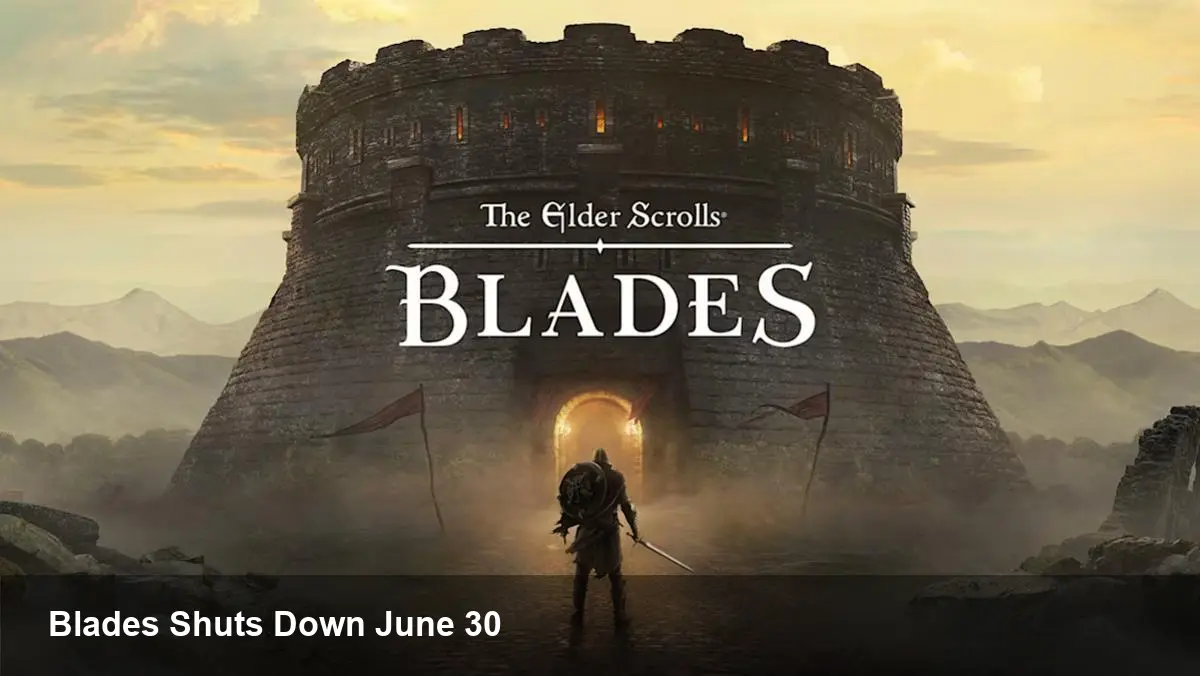
The Elder Scrolls: Blades is Bethesda’s mobile take on the long-running Elder Scrolls franchise — a first-person dungeon crawler and town-builder designed for iOS, Android and later some console ports. Launched as a free-to-play live service, Blades combined short, repeatable combat missions with a town hub, PvP modes and ongoing monetization through in-game purchases and timed content.
Recently Bethesda announced it will retire The Elder Scrolls: Blades on June 30. As part of the wind-down the company temporarily removed price barriers in the in-game store so players can enjoy premium items before servers go offline.
Immediate consequences for players
If you play The Elder Scrolls: Blades, here’s what to expect in the last weeks and what to do now:
- Online services end: Features that require servers — PvP, cloud saves, leaderboards, town persistence and any live events — will stop working once the game is shut down. Expect matchmaking and social features to break first.
- Single-player content may still be accessible in a limited, offline form depending on the last client update. Some mobile live-service titles keep local mission data playable; others depend on server logic and will become unusable.
- Purchases and refunds: With the store made free through the shutdown date, Bethesda is giving players time to access premium items. Refund policies vary by platform; players who recently bought content should contact Apple, Google or the console store for possible relief.
- Data and screenshots: Your character progression, screenshots and logs are often tied to online accounts. If the game supports local export (for avatars, screenshots, or replays), do it now. Otherwise, capture screenshots and record playthroughs for memories.
Concrete actions to take before June 30:
- Update the app now and open it at least once after updating to ensure any final content is downloaded.
- Spend or collect any earned currency, cosmetics and special items you want to keep access to in the short term.
- Export or screenshot important gear, stats, and your town layout if the game allows.
- Check account settings for linked emails or platform accounts so you can prove ownership if you request a refund.
- If you paid recently, reach out to the platform’s support (Apple/Google/Nintendo/Microsoft) and keep transaction receipts.
Business and technical implications for Bethesda
Shutting down a live game is a logistical and PR challenge. For Bethesda, the move reflects a calculation about maintenance costs, player engagement and strategic focus. Key reasons studios retire live titles typically include:
- Declining active users and revenue vs. ongoing server/operational costs.
- Shifting priorities to larger projects in the franchise or new IPs.
- A recognition that the live-service economic model didn’t deliver sustained returns.
From a technical perspective, sunsetting a game requires careful sequencing: disable purchases, provide clear communication, maintain basic customer support for refunds and data requests, and finally shut backend services. Bethesda’s choice to make store items free temporarily is a goodwill gesture that reduces friction for players who still want to experience premium content.
What this teaches mobile live-service teams
For startups and studios building live mobile games, Blades’ retirement is a case study with practical lessons:
- Design for graceful degradation. If critical gameplay requires continuous server access, consider fallback single-player modes or a planned offline mode to preserve player value if servers are turned off.
- Be explicit in terms-of-service and storefront descriptions about what "ownership" means. Consumers often assume purchases are perpetual; being transparent reduces backlash.
- Build export paths. Allow players to export key artifacts (avatars, replays, town designs) and make data portability a feature — it’s a strong goodwill move when sunsetting.
- Plan an end-of-life playbook. Include staged communication, refund policies, in-game notices, and final content drops to maximize player satisfaction during shutdown.
Preservation, IP and fan communities
When a live game goes offline, enthusiasts and archivists face legal and technical barriers preserving the experience. The Elder Scrolls brand has a passionate community; however, redistributing the game client, server binaries, or proprietary assets can run into copyright and EULA restrictions.
Practically, community preservation often focuses on:
- Archiving client installers and documenting mechanics with guides and video captures.
- Building unofficial recreation projects that avoid using proprietary assets, or negotiating with rights holders for archival releases.
- Pushing for server code or an offline mode release from the developer, which some studios have provided as a goodwill gesture in other shutdowns.
If preservation matters to you, capture gameplay and metadata now. Post-shutdown, community wikis and video walkthroughs will be the primary reference for how Blades played in its final form.
Strategic implications for the wider industry
The retirement of The Elder Scrolls: Blades highlights several broader trends:
- Live-service fatigue and portfolio rebalancing: As major publishers reassess their mobile portfolios, expect more shutdowns for titles that don’t meet engagement thresholds. This will drive studios to prioritize fewer, higher-quality live services.
- Consumer expectations will shift towards clearer ownership: Regulators and consumer advocates are increasingly focused on digital ownership and refunds. Studios that proactively address these concerns will build stronger trust.
- Opportunity for hybrid design: Games that blend always-online multiplayer with robust single-player components (that can survive server loss) will be more resilient and retain long-term goodwill.
For players and community organizers
If you’ve invested time in The Elder Scrolls: Blades, use the remaining window to archive your progress, claim any free in-store items, and coordinate with friends in the community for shared memories. For community leaders, organize archive drives (screenshots, builds, video captures) and make those resources available in stable repositories.
Bethesda’s move is a reminder that even games backed by major franchises have finite lifecycles. For developers, the responsibility is to design systems and communication plans that respect players when a title reaches the end of its operational life. For players, the sensible approach is to act early, document what matters, and treat live-service purchases with an understanding of the underlying business dynamics.