What ARC Raiders’ Shrouded Sky Patch Changes

Why the Shrouded Sky update matters
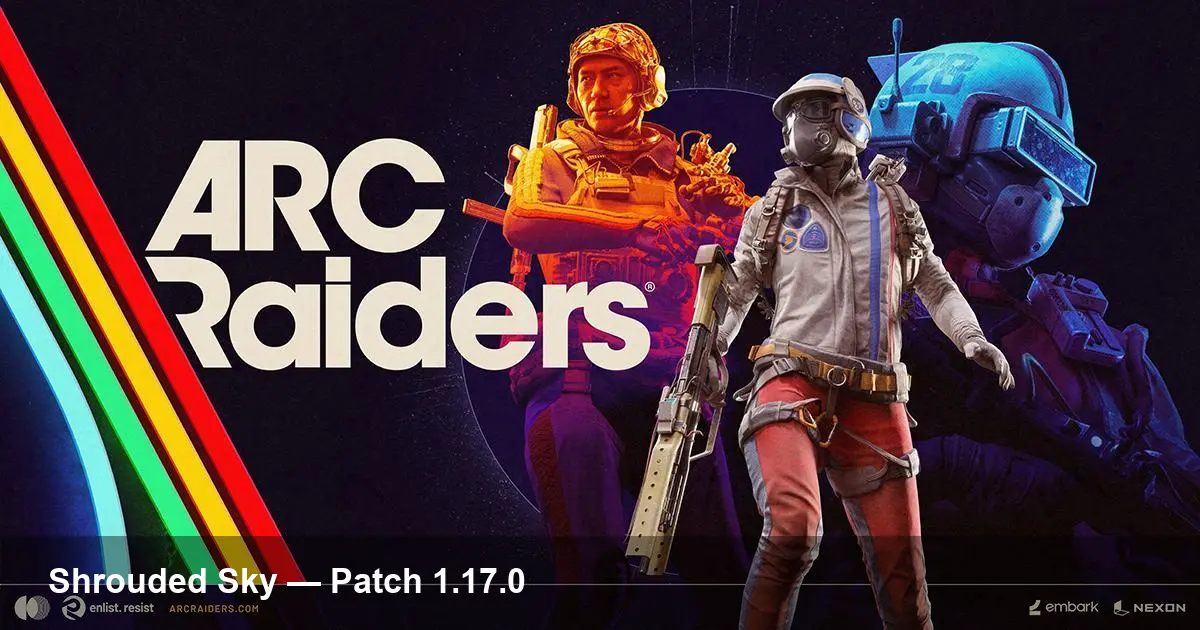
ARC Raiders is a multiplayer extraction adventure set on a ravaged future Earth under assault from a mechanized threat known as ARC. Patch 1.17.0 — marketed as Shrouded Sky — isn’t just another set of hotfixes. For a live extraction shooter, a mid-cycle update like this alters everything from moment-to-moment gameplay to long-term studio operations: player engagement, matchmaking health, and telemetry-driven design.
This article breaks down practical implications of the Shrouded Sky patch for players, developers, and studios running live-service multiplayer titles.
What players can expect (practical, playable changes)
- Meta and loadouts: Patches that adjust weapon recoil, ability cooldowns, or loot rarity directly change how groups approach objective runs. In extraction shooters, small tuning shifts can swing whether teams prioritize stealth or aggressive pushes.
- Map and encounter adjustments: When a live update tweaks spawn density or enemy AI behavior, extraction pacing changes. For players, that means re-evaluating routes, extraction windows, and when to disengage.
- Stability and sockets: Server-side fixes reduce disconnections and desyncs during extraction phases. Even modest improvements to tick rate, netcode, or reconnection logic reduce the stress of high-stakes runs.
Concrete scenario: a four-player crew that previously relied on a long-range weapon might discover a mid-patch nerf. They’ll need to change loadouts, swap to suppression kits, or coordinate more aggressive flanking to secure the same extraction success rate.
Developer and ops realities behind a patch
A substantial patch like Shrouded Sky is the result of several engineering and product practices coalescing:
- Telemetry-first decisions: Teams rely on crash reports, average match length, extraction success rates, and heatmaps of player deaths to prioritize changes. A single metric — say, a steep drop in extraction completions from a specific zone — can spawn both balance and stability fixes.
- Rolling deployments: For multiplayer titles, phased rollout is safer. Targeted regions or player cohorts receive updates first while feature flags let developers disable problematic code paths without a full rollback.
- Staging and automated testing: Unit tests for combat math, integration tests for matchmaking flows, and synthetic load tests for servers reduce regression risk. For games with crossplay, that testing surface grows substantially.
- Post-deploy monitoring and rapid iteration: A well-instrumented pipeline enables hotfixes within hours if a new bug affects matchmaking or economy progression. The Shrouded Sky cadence likely included a short hotfix window after the main deployment to patch emergent issues.
How balance updates affect retention and monetization
Extraction games live or die on tension. If a patch tips tension too far toward luck or grind, churn climbs. Conversely, clear, visible balance improvements reinforce the perception that developers are listening.
- Retention lever: Fixes that reduce frustrating disconnects or guarantee smoother matches keep players in the loop. A single frustrating extraction loss due to desync can make a player skip a week of sessions.
- Monetization sensitivity: Cosmetic systems and battle passes rely on steady playtime. Big balance changes should consider how they affect progression pacing — not just fairness. If a nerf extends grind dramatically, players may stop leveling.
Practical example: if Shrouded Sky altered loot drop rates for rare gear, players’ time-to-reward changes and the studio must recalibrate progression curves to avoid alienating veteran or new players.
For studios: governance, communication, and community trust
Patch notes and the way changes are communicated are as important as the changes themselves.
- Make notes actionable: Provide context — why something was changed and what to expect — plus tips for adapting. Players appreciate guidance: a short “what this means for you” section improves sentiment.
- Transparency without overpromising: Share data-driven reasons behind big changes but avoid promising immediate fixes for systemic issues that require longer-term work.
- Community feedback loops: Set up channels for rapid repro reports and triage. A public bug tracker or pinned feedback thread streamlines signal from noise.
Technical tradeoffs and lessons for similar live games
Shrouded Sky illustrates a few recurring tradeoffs that other teams should plan for:
- Client vs server authority: Moving more logic server-side reduces cheating and inconsistency but increases server costs. Choose the right split for your game’s competitive tension.
- Patch granularity: Larger, less frequent updates let you ship bigger features but increase regression risk. Smaller, iterative patches minimize surprises but can fragment meta and confuse players.
- Observability investment: Spend early on logging, dashboards, and automated anomaly detection. The faster you can identify real regressions vs expected variance, the faster you can respond.
Looking ahead: implications for extraction multiplayer
1) Balance velocity will continue to rise. Players expect quicker responses to broken builds or dominant loadouts — and studios must match that with engineering velocity and rollout safety.
2) Data ethics and privacy matter. As telemetry datasets grow to inform patches, studios should disclose what is collected and why, and anonymize appropriately.
3) Community-driven design becomes central. Successful patches are as much shaped by developer intent as by organized player feedback; long-term roadmaps will increasingly bake in cooperative tuning cycles.
Shrouded Sky (patch 1.17.0) is a reminder that an update in an extraction multiplayer title is more than bug fixes — it’s a live experiment in systems design, economics, and player psychology. For players, it’s an invitation to adapt and explore new tactics. For teams, it’s a test of deployment discipline and community engagement. Keep your loadouts flexible and your telemetry dashboards closer: the next patch will likely arrive sooner than you think.