Resident Evil Requiem: Switch 2 vs Xbox Series S

Why this match-up matters
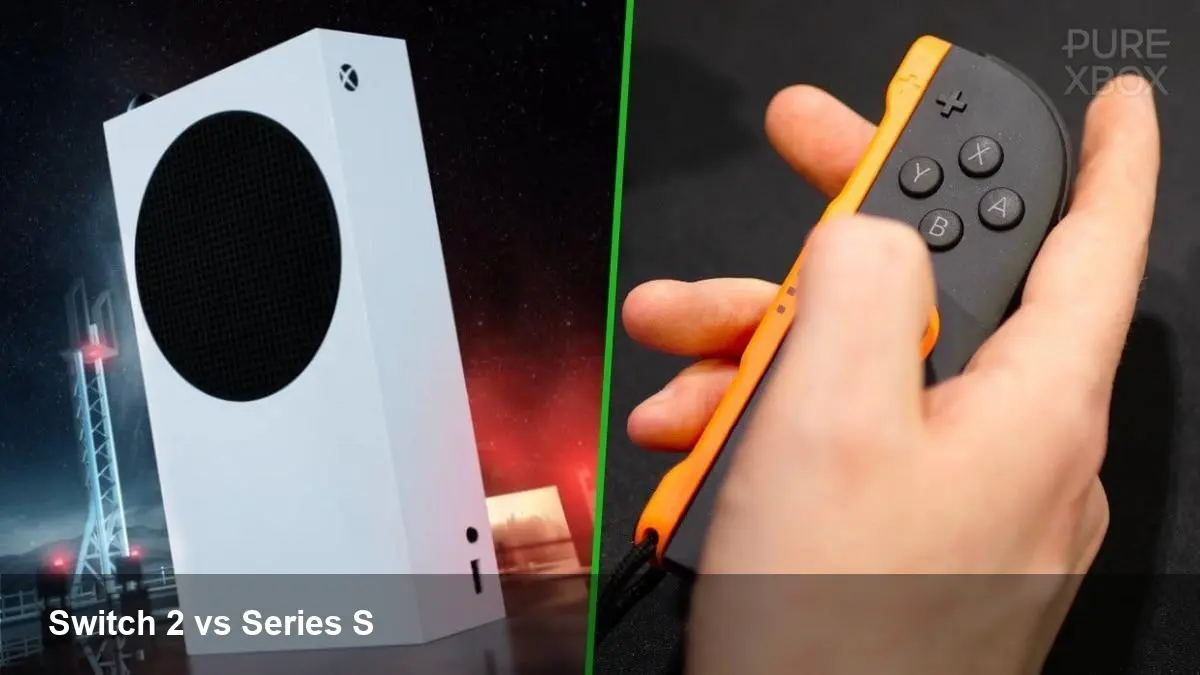
When a high-profile title like Resident Evil Requiem lands on multiple consoles, the differences between hardware matter more than ever. Digital Foundry’s recent comparison of the Switch 2 and Xbox Series S builds highlights a familiar tension: how to preserve visual fidelity while maintaining a playable frame rate on very different platforms.
For players, this affects immersion — texture clarity, shadow detail and how smooth the action feels. For developers and studios, it’s a test of optimization strategies and tradeoffs in memory, GPU time and shader complexity.
Visual vs performance: the tradeoffs you’ll notice
Both ports aim to deliver the core experience, but they prioritize different resources. On the lower-power platform (Switch 2), developers typically lean into aggressive optimizations to hit a usable frame rate and to maintain battery and thermal budgets. Expect to see several practical changes compared with the Series S build:
- Dynamic resolution and upscaling: To keep framerates stable, the Switch 2 version will often render scenes at a lower internal resolution and then upscale for display. This can soften fine detail and produce minor artifacting during motion, though modern temporal upscalers mitigate shimmering.
- Texture and LOD reductions: Memory limitations push teams to use lower-resolution textures or more conservative level-of-detail (LOD) thresholds. That makes close-up surfaces look less crisp and increases the chance of visible pop-in when geometry LODs switch.
- Simplified lighting and particle effects: Complex global illumination, high-quality shadows and dense particle systems are expensive. On Switch 2 you may notice simpler shadow edges, fewer real-time reflections, and pared-back particle counts.
The Xbox Series S, while not as powerful as the Series X, starts with a higher baseline for GPU and memory bandwidth. That usually translates to:
- Higher native or effective resolution on TV output, producing cleaner images when compared side-by-side.
- More consistent frame pacing and fewer large resolution swings under load.
- Better preservation of post-processing effects like screen-space reflections and volumetric fog.
But neither platform is immune to compromises. The Series S build may still dial back effects relative to flagship consoles and will often offer multiple modes (performance vs quality) that change the target resolution or framerate.
How this affects real players: two scenarios
1) The living-room player on an HD/4K TV: If you’re playing on a TV and care most about detail and steady visuals, the Xbox Series S will likely feel closer to the intended presentation. Higher effective resolution and more stable effects keep atmosphere intact during tense sequences.
2) The portable/handheld player: Switch 2’s strength is flexibility — handheld play is a major feature. On a smaller screen, aggressive upscaling and reduced textures are less noticeable, and the freedom to play anywhere can outweigh visual compromises. Battery life and thermal constraints still shape the experience; long sessions may see downclocking that nudges quality further down.
If you prioritize frame-rate for competitive or twitchy gameplay, check whether either platform offers a 60 fps performance mode. In many ports, that mode trades resolution and some visual fidelity for smoother responsiveness.
Developer workflows and porting lessons
Porting a visually rich title to a new platform is a balancing act. The teams working on Resident Evil Requiem’s ports had to navigate memory footprints, shader complexity and platform SDKs. Practical lessons for developers:
- Set clear target profiles early: Define performance targets (e.g., 30 fps docked, 60 fps handheld) and memory budgets per profile. This prevents late-stage compromises.
- Use scalable rendering paths: Architect rendering so features can be toggled or scaled (shadow resolution, draw distance, particle density) without extensive rework.
- Invest in smart upscaling and temporal anti-aliasing: Modern temporal reconstruction and spatial upscalers deliver the biggest visual wins for the least GPU cost when implemented well.
- Monitor thermal and power behavior on handheld hardware: Sustained performance is often limited by heat, not raw silicon capability. Profiling must include long-play sessions.
These workflows deliver a more predictable porting lifecycle and reduce last-minute visual regressions.
Business and platform implications
From a publisher’s perspective, getting a big title onto both Nintendo’s ecosystem and Microsoft’s lower-tier console broadens the market. But there are tradeoffs:
- Brand perception: Significant visual gaps between ports can influence reviews and player sentiment. Publishers should set accurate expectations in marketing materials and consider platform-specific optimizations to preserve the game’s reputation.
- Return on investment: Extra engineering for a lower-power port has diminishing returns. Teams must weigh whether the additional hours to polish shadowing or texture detail on Switch 2 are justified by sales forecasts.
- Platform relations: Delivering a solid native experience can strengthen relationships with platform holders and unlock promotional opportunities on digital storefronts.
For Nintendo, attracting high-profile multiplatform titles keeps momentum for new hardware. For Microsoft, having strong experiences on the Series S helps reach households that prioritize price over raw performance.
Three implications for the near future
1) Upscaling will remain the single biggest lever. As GPU performance diverges across consoles and handhelds, temporal upscalers and machine-learning-assisted reconstruction will be where most visual improvements are made without huge GPU costs.
2) Developers will standardize multi-tier asset pipelines. Expect middleware and engines to provide clearer knobs for texture streaming, LOD switching and shadow scaling so studios can manage divergent hardware without bespoke solutions for each platform.
3) Cloud and hybrid approaches may blur lines. Streaming higher-quality assets or compute could let lower-power devices present visuals closer to flagship consoles, especially in living-room scenarios — but latency and bandwidth remain gating factors.
Which should you buy if this game is a priority?
If Resident Evil Requiem’s visual fidelity on a TV is your top priority and you’re choosing between these two boxes, the Xbox Series S will generally offer a closer match to the developer’s ideal presentation. If portability and playing anywhere matter more, or if you already own a Nintendo device and value that library, the Switch 2 version still delivers the game’s core experience with sensible compromises.
Whichever platform you pick, expect the core gameplay and story to be intact. The differences are mostly about atmosphere and polish — important for immersion, but not necessarily for enjoying the core survival-horror design.
Ultimately, comparisons like Digital Foundry’s are helpful because they show the specific tradeoffs developers make. For players and studios alike, understanding those tradeoffs helps set expectations and guides smarter choices about platform and development priorities.