Resident Evil at 30: Capcom's Next Moves

A milestone that matters
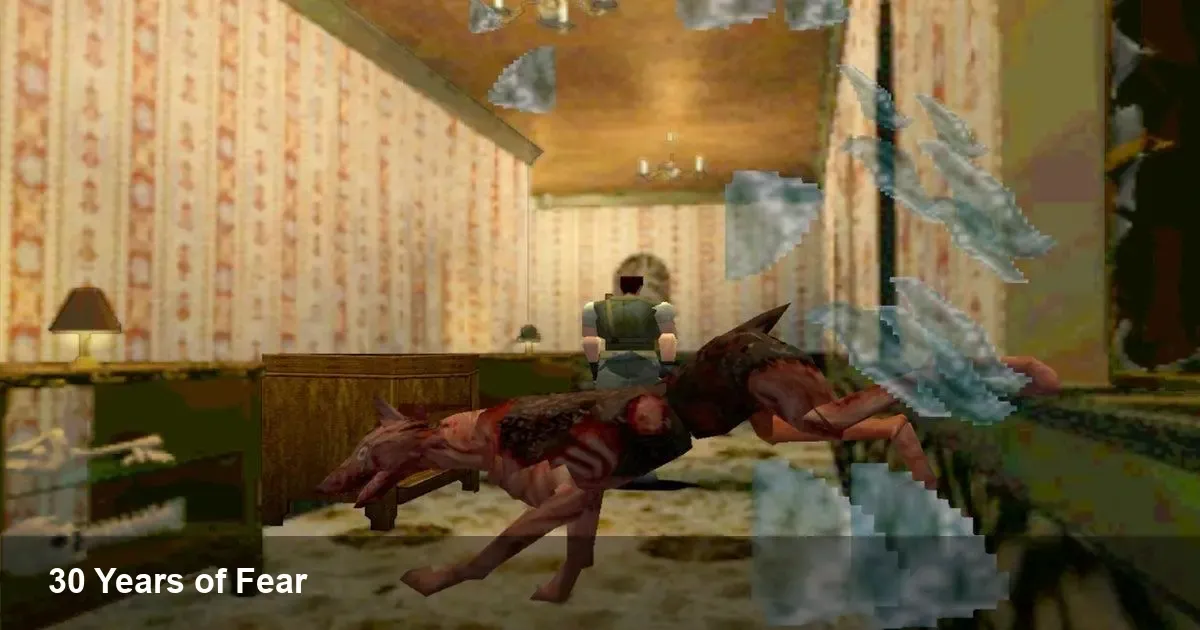
Capcom has reached a rare milestone: three decades of one of gaming’s defining horror franchises. Resident Evil launched in the mid-1990s and evolved from fixed-camera survival horror into a multi-decade, multi-format IP that reshaped expectations around narrative, atmosphere, and player tension. This anniversary isn't just about nostalgia; it’s a strategic opportunity for Capcom to reset expectations, monetize legacy content, and signal creative direction.
Why the 30th anniversary is more than cake and logos
Anniversaries let publishers reactivate dormant fans and introduce the brand to newcomers. For Capcom the benefits are practical: renewed sales from remasters and bundles, marketing hooks for upcoming projects, and a platform to experiment with formats—remakes, live services, VR, films and series licensing, and collaborations. The company’s recent communications thanked long-time players and hinted at future projects, but stopped short of release windows or firm announcements. That ambiguity can be deliberate: keep attention high while preserving flexibility in the production pipeline.
Where Resident Evil has been — and what that implies for what comes next
The series has a recognizably cyclical pattern. Capcom has alternated between bold new directions (first-person survival in Resident Evil 7, cinematic action in Resident Evil 6) and revisiting successful formulas via faithful remakes (the modern reworks of Resident Evil 2 and 4). On the technology side, Capcom’s proprietary RE Engine has underpinned the visual and mechanical upgrades that made remakes feel like brand-new releases.
For developers and studios, the lesson is clear: a strong engine and clean asset pipelines let an IP age well. For players, it means future entries can lean into polish and fidelity rather than reinventing core mechanics every entry.
Practical scenarios developers and businesses should consider
- Remake strategy: Capcom has shown remakes can be premium hits. If you’re a studio stewarding legacy IP, plan for a phased remake approach: start with mechanical modernisation, keep the core beats fans remember, and use visual upgrades to justify a premium price.
- Cross-platform bundling: Anniversary collections (legacy titles plus remasters) sell to collectors and newcomers alike. Packaging older releases with behind-the-scenes content, art books, and developer commentary increases perceived value and can justify higher collector edition prices.
- Community engagement: Host dev AMAs, retrospective timelines, and modding contests to keep the fandom involved between major releases. A steady drip of content reduces the hype cliff that follows a single announcement.
Examples of possible anniversary moves
- A remastered bundle with 4K support and QoL updates for the classic entries, paired with developer documentaries and concept art. That package targets collectors and new players discovering the franchise.
- A surprise remake announcement of a cult entry that hasn’t received modern treatment. Capcom’s recent pattern shows high interest and sales velocity for such projects.
- A limited-run live-service experiment — seasonal missions or cosmetic-driven content — that doesn’t alter the single-player canon but creates recurring revenue.
What fans should expect (and what to be wary of)
Players can reasonably expect Capcom to keep mining the franchise’s back catalog for remakes and re-releases; those generate high margins and low creative risk compared with greenfield projects. But be cautious about equating every tease with a full triple-A release. Studios often tease multiple initiatives at once—some mature into full games, others into smaller spin-offs or marketing partnerships.
Another practical consideration: remakes and high-fidelity reworks take time. Development cycles for modern remakes now routinely stretch into multiple years. So the absence of an immediate release date doesn’t imply nothing is coming; it may simply reflect longer production timelines.
Business and developer implications
- Revenue model diversification: Capcom’s strategy illustrates how owning a deep catalog enables multiple revenue streams—one-off premium releases, live services, cross-media licensing, and merchandise. For companies with legacy franchises, similar diversification reduces dependence on single-launch economics.
- IP stewardship and risk management: Balancing nostalgia with innovation is delicate. Over-reliance on remakes can burn audience goodwill; overly experimental new entries risk alienating a core base. Smart stewards test new mechanics in spin-offs or smaller projects before committing the core series.
- Talent and tech investment: Maintaining a AAA franchise requires continuous investment in tools (like RE Engine) and in talent capable of translating old design sensibilities into modern expectations. Studios should budget for engine upgrades and for cross-disciplinary teams (narrative, art, systems) that can modernize older content.
Three forward-looking insights
1) Expect an ongoing remix of classics: The commercial success of modern remakes suggests Capcom will continue reworking golden-era titles, potentially staggering releases to keep momentum through multiple years.
2) Cross-media expansions will grow, but with tighter alignment: Films, streaming series, and merchandising will likely be used to amplify major game releases rather than replace them. IP coherence will become more important—fans want adaptations that complement, not contradict, the source material.
3) Experimentation in delivery models: With the economics of game development shifting, Capcom and peers may adopt hybrid approaches—pairing big-budget single-player experiences with smaller, episodic or seasonal content to smooth revenue and keep players engaged longer.
How studios and developers can act now
- Inventory your legacy: Map assets, source code, and design documents. Knowing what you can reuse accelerates any remake program.
- Invest in tools, not just titles: Strengthening a shared engine or pipeline reduces per-project cost and protects visual continuity across releases.
- Communicate a clear roadmap: Fans reward transparency. A cadence of updates, even vague milestones (e.g., "announced," "in production," "alpha"), reduces speculation and keeps community trust.
Capcom’s 30th anniversary of Resident Evil is a reminder that long-lived franchises are strategic assets that require active stewardship. For fans it’s an invitation to look forward while revisiting the past; for developers and businesses it’s a template for how to monetize, protect, and evolve an enduring IP. Whether the next big reveal is a bold new title, another high-profile remake, or a multimedia tie-in, the way Capcom approaches the anniversary gives other studios a useful playbook for turning legacy into momentum.