Porsche’s Cayenne in Resident Evil Requiem — What It Means

A high-end cameo with high stakes
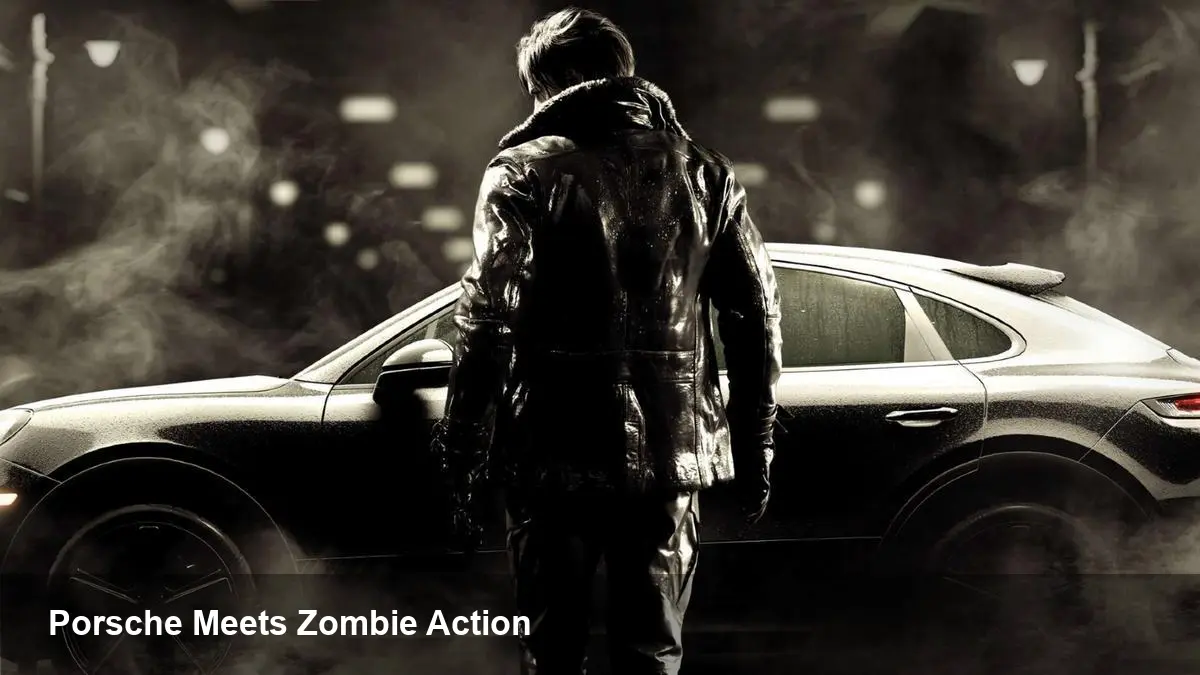
Porsche’s Cayenne Turbo GT turned up in the reveal for Resident Evil Requiem, immediately creating a talking point that went beyond pure fan excitement. The image of Leon S. Kennedy next to a premium SUV in a survival-horror setting led many to joke that the tree-lined roads, collapsing streets, and relentless infected are prime conditions for vehicular carnage.
This isn’t just pop-culture humor. The appearance spotlights an increasingly common intersection: major automakers partnering with AAA game studios to place real-world products inside cinematic game experiences. That intersection raises creative, technical, and commercial questions for developers, marketers, and players.
Why a Porsche in a horror game matters
There are a few straightforward reasons a luxury car appearing in a survival-horror title cuts through the noise:
- Brand reach: Porsche taps a global, engaged audience beyond traditional auto shows.
- Immersion and realism: A recognizable car model increases believability in a game world.
- Social and viral potential: Trailers with eye-catching props—like a Cayenne Turbo GT—invite memes and debate, which is free publicity.
For players who follow Leon S. Kennedy’s arc and Capcom’s storytelling, the car’s presence is also narrative shorthand: it suggests an incident or sequence where mobility matters, or it can simply be set dressing that signals the upscale setting of a particular scene.
From asset to scene: how a real car becomes a game prop
Turning a Porsche into an in-engine asset for a title like Resident Evil Requiem involves multiple steps and cross-disciplinary work:
- Licensing and approvals: Porsche will sign off on how its Cayenne Turbo GT is represented, especially around damage, logos, and camera angles.
- High-fidelity modeling: Artists create a photorealistic model optimized for the game engine—likely Capcom’s RE Engine—balancing polygon count and texture detail.
- Physics and handling (if drivable): If players can drive the vehicle, the studio tunes handling, suspension, and damage models to match the game’s tone.
- Cinematic integration: Even non-drivable cars must behave believably in scripted set pieces—collisions, sparks, broken glass and so on.
Those technical choices determine whether the Cayenne remains pristine for photogenic trailer shots or becomes a centerpiece of destruction in an action sequence.
Why fans assumed Leon would wreck it
Resident Evil games often put characters through intense, destructive encounters. Combine that with a cinematic trailer showing Leon and a high-performance SUV, and the internet’s humor engine fills in the blanks: either the vehicle is a temporary safe haven that gets trashed, or it’s an expendable prop used to heighten stakes.
From a design standpoint there are reasons to destroy or preserve a branded vehicle:
- Narrative pay-off: Destroying a luxury vehicle can underscore danger, raise emotional impact, or create a sudden obstacle.
- Brand sensitivity: Porsche may prohibit gratuitous destruction of its product in marketing content depending on the licensing agreement.
- Gameplay balance: A drivable, destructible vehicle impacts pacing—does driving make the game less tense, or does it introduce new risk/reward decisions?
That tension between storytelling and brand protection is exactly the sort of negotiation that happens off-screen.
Business value for Porsche and Capcom
Collaborations like this deliver measurable business outcomes for both sides:
- For Porsche: exposure to younger, engaged audiences; soft-branding that positions the Cayenne Turbo GT as aspirational in unexpected settings; and data on engagement from trailer views, shares, and sentiment.
- For Capcom: increased buzz, perceived production value, and the potential to attract media coverage outside traditional gaming outlets.
There are secondary opportunities too—real-world tie-ins such as display cars at events, co-branded merchandise, or limited-time in-game promotions depending on the depth of the partnership.
Practical considerations for developers and automakers
If you’re working on or negotiating an automotive placement in a game, a few practical points matter:
- Define damage limits early: Brands will often require care clauses about how their products are represented under stress.
- Agree on camera and logo usage: Close-ups, reflections, and prominent badging typically need approval.
- Consider the platform gap: Console cinematic sequences may differ from live PC mods where players could alter or destroy assets beyond the studio’s control.
- Data sharing and metrics: Decide what engagement metrics will be shared post-launch to evaluate ROI from the partnership.
Two short scenarios developers should plan for
1) The vehicle is purely cinematic: Easy brand control, simpler QA, minimal gameplay impact. The marketing value remains strong because of the trailer.
2) The vehicle is drivable and destructible: Higher development cost (physics, damage systems), greater QA surface, but also richer interaction that can become a memorable gameplay sequence—if handled well.
What this trend means next
- Expect more luxury brands to appear in AAA titles as they chase attention from digitally native audiences. The barrier to entry is creative risk, not capability.
- Licensing deals will increasingly include behavioral clauses around in-game destruction, given how quickly screenshots and clips spread on social platforms.
- Game engines and middleware will continue to evolve better, cheaper ways to simulate realistic vehicle damage and materials, making these integrations smoother and less costly.
For fans: what to watch for in release
Trailers are polished cinematic slices; they don’t always reflect in-game systems. If you want to know whether Leon actually destroys the Cayenne Turbo GT, watch gameplay reveals, developer commentary, and post-launch footage. And if you’re on PC, modders may offer their own variations—sometimes respecting brand restrictions, sometimes not.
Ultimately, a Porsche cameo in a major survival-horror release is as much a marketing play as a creative one. Whether the Cayenne survives Leon's run is part of the narrative mystery—and part of the marketing genius that keeps people talking until the game lands.