Pokémon FireRed and LeafGreen Head to Switch Next Week

Why this matters now
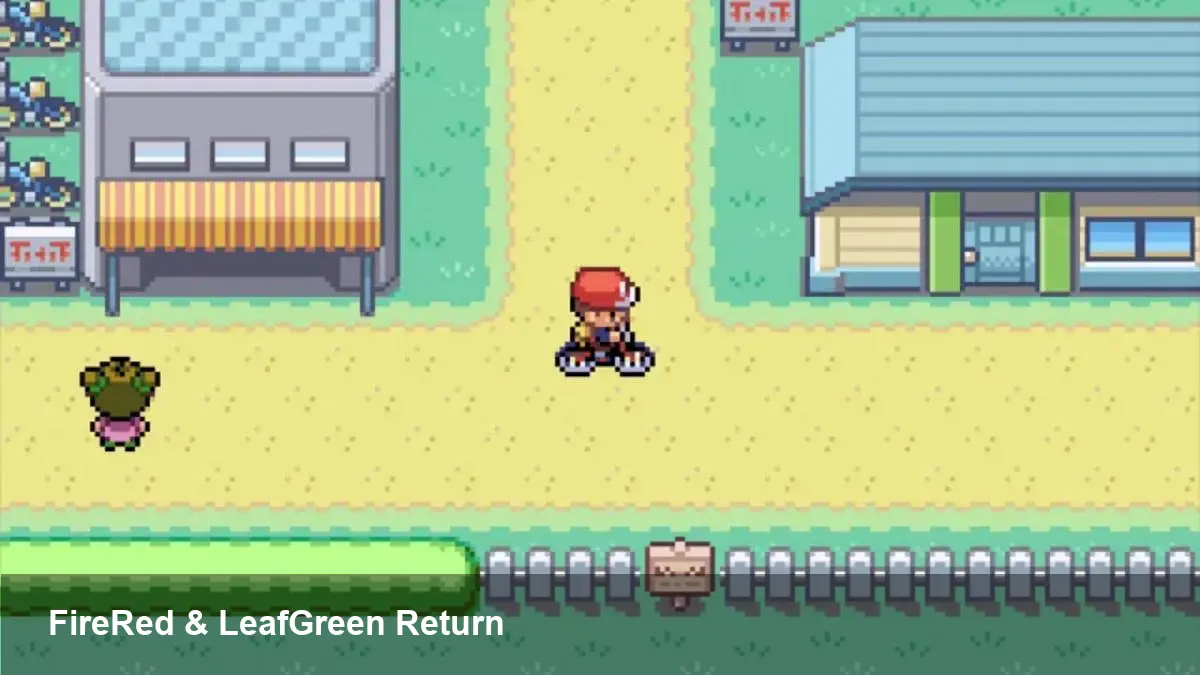
Nintendo is bringing Pokémon FireRed and LeafGreen — the Game Boy Advance remakes of the original Kanto games — back to current hardware as digital releases. The timing ties directly to Pokémon Day, when a special Pokémon Presents broadcast will air and reveal details. For players, developers and businesses, this is more than nostalgia: it's another signal about how Nintendo plans to monetize its back catalog and smooth the transition to the next generation of Switch hardware.
A quick refresher
FireRed and LeafGreen first launched in 2004 as updated versions of the very first Pokémon titles. They expanded the original Red and Green experiences with quality-of-life changes, new graphics for the GBA era, and connectivity with other Generation III titles. For many fans these games are the gateway to the franchise — familiar maps, Gym challenges, and the classic Kanto Pokédex.
Bringing them to modern Switch consoles makes that gateway easier to re-enter for a new generation, and gives long-time fans a convenient way to replay the classics without digging out aging cartridges or flashcarts.
What to expect from the digital release
Nintendo’s announcement confirms digital availability on both the current Nintendo Switch and the device commonly referred to as Switch 2. The reveal is scheduled to follow the Pokémon Presents airing on Pokémon Day (Feb 27), after which the eShop pages should go live.
Here’s what players should watch for in the announcements and eShop listings:
- Whether these are straight emulated ports or enhanced remasters. A straight port usually preserves original mechanics and visuals, while a remaster might bring sharper resolution, UI tweaks, or modern amenities like quick-saves.
- Online features. Will classic link battles be recreated via modern online lobbies, or will the game keep local-only multiplayer? Any mention of cloud saves or online leaderboards would be notable.
- Integration with Pokémon’s modern ecosystem. Speculation will swirl about compatibility with Pokémon HOME or transfer tools. If Nintendo allows moving Pokémon between legacy titles and newer games, that changes how collectors and competitive players value the release.
- Whether the release is digital-only. The publisher has confirmed digital distribution; collectors will want to see if any limited physical editions or retail bundles follow.
Practical tips for players and collectors
- If you want to play right away, make sure your console is updated and you have enough eShop balance or a payment method linked. Announcements on Pokémon Day will likely include an immediate release window.
- Speedrunners and competitive players should scan official patch notes (or lack thereof) for any changes to game mechanics. Even small tweaks to RNG, encounter rates, or battle behavior can affect runs and strategies.
- Collectors looking for physical cartridges should temper expectations: a digital-first release often indicates Nintendo is testing demand. If you want a physical copy, track announcements from retailers and official Pokémon channels — limited physical releases sometimes follow but are not guaranteed.
Why Nintendo keeps re-releasing classics
There are strategic reasons behind these moves:
- Low-cost content refresh: Porting or emulating existing titles is cheaper than developing full new entries, but still drives digital revenue and keeps the franchise visible between major launches.
- Hardware halo: Classic releases make the platform more attractive to new hardware buyers. For Switch 2, having legacy titles available from day one helps ease adoption.
- Preservation and accessibility: Digital re-releases prevent excellent games from becoming inaccessible as cartridges and hardware age.
For studios and publishers outside Nintendo, this approach provides a case study: curated back-catalog releases can be a steady revenue stream and an effective marketing tool when tied to events like anniversaries.
Developer and technical considerations
Porting GBA-era games to modern consoles usually involves choices about emulation vs rebuilds. Emulation can preserve the original experience with relatively low effort, but might struggle with modern resolutions, input latency, and online matchmaking. Rebuilds or remasters require more investment, but allow features like widescreen support, updated UI, and integrated online services.
If Nintendo and Game Freak opt for an emulated release, expect faithful gameplay and possibly a handful of modern quality-of-life features. If they go further, it could set a higher bar for how legacy Pokémon titles are reintroduced across platforms.
Business implications and future signals
1) Nintendo values recurring nostalgia-driven sales. Each remastered or reissued classic renews interest in the franchise with minimal development cost.
2) The distribution strategy gives clues about Switch 2's market positioning. A simultaneous release on both current and next-gen hardware implies Nintendo wants continuity for players and confidence in backward compatibility for its digital library.
3) Expect more legacy titles to follow. If FireRed and LeafGreen perform well on eShop, Game Freak and Nintendo will likely expand the catalogue of classic Pokémon and possibly other first-party titles.
Four short scenarios where this matters
- A new player discovers Kanto: They can jump into the series’ origins without hunting outdated cartridges.
- A returning fan revisits nostalgia: Easier save management and Switch portability make replaying more convenient.
- A speedrunner assesses the run: Community discussions around any mechanical changes will determine if records are still comparable.
- A hardware buyer weighs libraries: The presence of legacy titles can influence someone considering upgrading to a new Switch model.
What to watch on Pokémon Day
Tune in to the Pokémon Presents stream on Feb 27. Look for a release date window, any screenshots or video showing interface changes, and specifics on online play and transfer options. After the presentation, monitor Nintendo’s eShop for the new listings and official patch notes.
Whether you’re chasing nostalgia, competitive edges, or catalog completeness, the reappearance of FireRed and LeafGreen on Switch hardware is a good reminder that classic IP still moves the needle — and that Nintendo plans to keep mining its back-catalog for moments that reconnect players with the franchises they grew up on.
Keep an eye on the stream and the eShop next week if you want to download Kanto to your modern Switch.