Inside Stern’s New Pokémon Pinball Machine

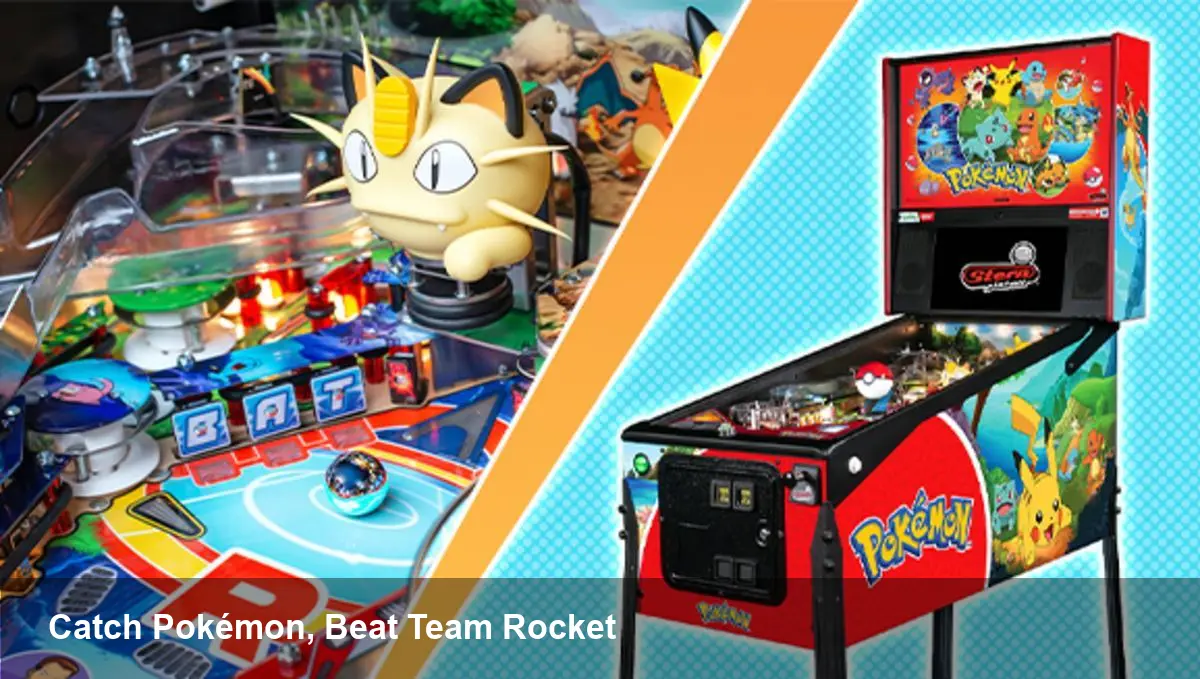
Stern Pinball’s latest licensed table brings two worlds together: the tactile thrill of a physical pinball machine and the character-driven joy of Pokémon. The new Pokémon pinball machine is now available to operators and collectors, and it’s built to appeal both to longtime pinball enthusiasts and to Pokémon fans who may be newer to the hobby.
Why this matters
Licensed pop-culture tables are a staple of the modern pinball industry because they attract players beyond the traditional pinball crowd. Pokémon — one of gaming’s most recognizable franchises — is a particularly strong fit. The brand’s bright characters, simple goals (“catch ’em all”) and narrative foes like Team Rocket map neatly onto pinball modes, multiballs, and progressive objectives. For Stern, securing and executing a high-profile license like Pokémon is a strategic move to drive foot traffic for operators and generate headline-making sales for collectors.
What to expect from the gameplay
While exact mode names and rules vary by production run, the table centers on a few easy-to-understand pillars that translate the Pokémon experience into physical mechanics:
- Catch-and-collect progression: Players trigger capture sequences that simulate catching different Pokémon. Completing sets or tracking certain species unlocks bonuses or specific modes.
- Battle sequences: Certain shots start mini-battles against iconic opponents — including Team Rocket — that reward skillful play with multiball or high-scoring opportunities.
- Character-driven toys and artwork: Expect sculpted figures, ramps, and playfield inserts themed to Pokémon locations and creatures, combined with custom callouts and licensed music or sound bites.
- Multi-tiered objectives: Like modern Stern tables, the machine will likely layer immediate shot rewards with longer-term goals, encouraging repeat play sessions and higher engagement.
Practical use cases: where this table shines
- Bars and arcades: The Pokémon license pulls a broader demographic — families, younger players, and nostalgic adults. Operators can expect longer dwell times and repeat plays from groups that come in specifically for the table.
- Home collectors: A themed Stern table becomes a focal piece in a game room. Beyond aesthetics, collectors value software updates, rule tweaks, and the social draw when friends come over.
- Competitive events: Pokémon-themed tournaments, charity competitions or league nights give organizers a fresh hook to attract players and spectators.
Operational considerations for owners
- Maintenance and footprint: Physical pinball still requires regular maintenance — playfield waxing, coil checks, and software updates. Operators should budget for service and have a technician familiar with Stern hardware.
- Pricing and ROI: Licensed machines typically carry a premium and will be a significant capital investment. Evaluate local demographics and competing attractions; a Pokémon table often commands higher attention but consider cabinets’ placement to maximize visibility.
- Software support: Stern’s modern tables usually receive firmware updates and leaderboard features. Confirm connectivity options if you want remote diagnostics, software patches, or online leaderboards to drive competitive play.
Developer and integration angle
For developers and creators interested in pinball-adjacent projects, licensed physical machines point to new integration opportunities:
- Companion apps: A simple app that tracks captured Pokémon, logs high scores, or delivers themed achievements can extend engagement beyond time at the machine.
- Cloud leaderboards and community features: Operators can stitch multiple locations together for regional competitions — a low-friction way to build local scene momentum.
- AR overlays: Augmented reality could layer creature animations onto livestreams or spectator screens, enhancing the spectacle without changing the physical machine.
Limitations and realistic expectations
The table is not a substitute for digital Pokémon games — it’s an experience designed around quick, skillful sessions and social play. Barriers include the machine’s physical size, initial cost, and the requirement for regular upkeep. Furthermore, high interest can create scarcity: collectors may wait for specific editions (Pro, Premium, Limited), and operators should plan for queues and potential downtime if the machine needs service.
Three implications for the future
- Physical-digital crossovers will accelerate: As brands see value in pinball’s communal appeal, expect more high-profile licenses and companion digital experiences that extend lifetime engagement.
- IP-first machines become foot-traffic drivers: Bars, family entertainment centers, and arcades will increasingly treat premium licensed tables as anchor attractions that elevate overall revenue per visit.
- New monetization models could appear: From remote tournaments with entry fees to subscription-based companion content, there are emerging ways to monetize beyond per-play revenue while keeping rules fair and transparent.
Final take
Stern’s Pokémon pinball machine is a strategic, crowd-pleasing fusion of nostalgia and tactile gameplay. For operators it’s a potential attention magnet; for collectors it’s a headline piece; for players it’s a playful new way to experience Pokémon in short, social sessions. If you manage a venue or are assembling a home arcade, this table is worth serious consideration — but plan for the usual realities of pinball ownership: space, maintenance and the upfront investment that accompanies a major licensed release.
Whether you’re chasing high scores, collecting Pokémon-themed modes, or just enjoying the spectacle of Team Rocket getting knocked back into orbit, the new table adds a vibrant, social entry point into modern pinball.