Inside Marvel Rivals: Marvel’s new team-based PvP shooter

Why Marvel Rivals matters
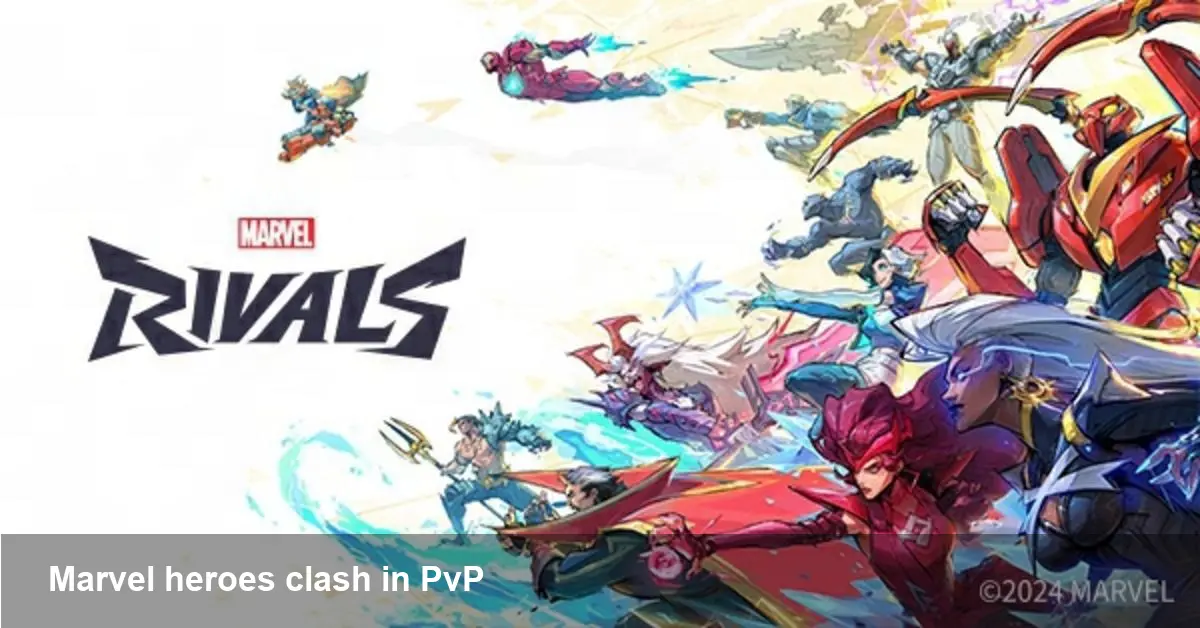
Marvel Rivals is the latest multiplayer shooter built around Marvel’s roster, developed in partnership between Marvel Games and NetEase Games. It positions itself as a team-focused PvP experience that leverages familiar superheroes to lower the barrier for new players while promising competitive, squad-based gameplay for veterans.
For studios and players alike, this release is worth watching: it combines heavy IP recognition with a live-service structure that rewards continuous content updates and community engagement.
Quick product snapshot
- Developers: Marvel Games and NetEase Games
- Genre: Team-based PvP shooter
- Business model: Free-to-play entry; core roster available to players without individual hero purchases
- Distribution: Global launch
This combination—strong brand plus a free-entry model—creates both opportunity and pressure: expectations for quality, balance, and steady fresh content will be high.
How the game aims to work for players
At its core, Marvel Rivals is built around short, objective-driven matches where small squads cooperate to win. The emphasis on teams means the gameplay loop prioritizes role synergy, map control, and fast decisions rather than solo slaying.
Practical player implications:
- Low friction to try: Because heroes are not gated behind individual paywalls, new players can experiment with different characters and find roles that suit them.
- Team composition matters: Matches reward coordination—pairing complementary abilities (for example, crowd control + high damage) often beats mechanically superior solo play.
- Learning curve centered on meta knowledge: Mastery is less about unlocking characters and more about understanding matchups, timing, and map-specific tactics.
Example scenario: A player who prefers aggressive flankers can immediately test stealthy or mobility-focused Marvel heroes. They’ll learn through play which teammates cover their weaknesses (e.g., pairing a healer or area-control hero to enable riskier plays).
What developers and studios should take away
Marvel Rivals offers several lessons for teams building similar live-service, IP-driven games.
- Use brand strength strategically
- A known IP like Marvel reduces user-acquisition friction and gives you a built-in audience. But it raises the bar for fidelity—players expect recognizable abilities and animations that feel faithful to each character.
- Design for continuous balance and live ops
- When every hero is accessible from the start, the product must invest in strong telemetry, rapid balance patches, and clear communication. Balancing isn’t a quarterly chore—it’s a daily operation.
- Monetize without blocking gameplay
- With heroes broadly available, revenue must come from cosmetics, battle passes, season battle tracks, and recommended bundles. That requires a content pipeline that produces desirable, non-gameplay-affecting items regularly.
- Infrastructure and anti-cheat are table stakes
- Competitive PvP demands low latency, reliable matchmaking, and robust anti-cheat systems. Scaling globally brings additional complexity around regions, latency mitigation, and legal requirements.
Business implications and where value comes from
For NetEase Games and Marvel Games, the value stack is predictable but high-stakes:
- Acquisition is cheaper thanks to Marvel branding, but retention depends entirely on post-launch support.
- Live-service revenue is likely to focus on cosmetics and seasonal systems—players can access heroes, so spending is incentivized through personalization and time-savers rather than mandatory unlocks.
- Cross-promotional opportunities abound: character launches can coincide with MCU events or other Marvel media, creating promotional spikes.
However, licensing also means higher expectations and likely complex revenue-sharing or royalty terms. The partnership has to balance creative freedom against IP guardianship.
Limitations and risks
No product is without constraints. With Marvel Rivals you need to consider:
- Balance complexity: A large, free roster increases the number of matchups to balance, raising the risk of overpowered combinations.
- Market saturation: The hero-shooter space is crowded, and player attention is limited. Standing out requires either unique mechanics or a superior live-ops cadence.
- Long-term retention: The free-access hero model reduces early monetization barriers but also removes a common progression hook. The team must craft alternate retention levers like seasonal goals, meaningful progression, and social features.
- IP dependency: Heavy reliance on Marvel means creative choices may be constrained and prone to corporate approval timelines.
Developer workflow highlights (practical mechanics)
If you’re building a similar title, these are high-priority operational areas:
- Telemetry and analytics: Track win rates, pick rates, and performance per map and per rank to inform balance decisions.
- Rapid patch pipeline: Implement a staging environment and scheduled hotfix cadence to react to dominant strategies.
- Community ops: Be transparent with patch notes and roadmaps; competitive communities demand clarity.
- Content pipeline: Coordinate designers, artists, and live-ops to produce skins, events, and narrative tie-ins on a seasonal schedule.
Looking ahead: three strategic implications
- Live-ops as the central product differentiator
- The long-term success of Marvel Rivals will hinge on cadence and quality of new content—heroes, modes, and cosmetic drops—not just initial launch buzz.
- IP-driven games will push monetization toward personalization
- When characters are accessible, money flows to personalization, creating more pressure on art teams to produce high-value cosmetic designs.
- Competitive ecosystems will demand open developer-player feedback loops
- To maintain balance and credibility, studios need to engage top players, host sanctioned events, and shepherd an evolving competitive meta.
Who should try it and why
- Casual Marvel fans who want quick matches and to play as iconic heroes with friends should find the low-friction model appealing.
- Competitive players who enjoy team composition, coordinated play, and evolving meta will appreciate the depth if the developer supports ranked play and events.
For developers and founders, Marvel Rivals is a case study in combining major IP with modern free-to-play economics. It highlights the operational discipline required to run a live competitive game at scale.
If you’re evaluating joining the player base or building the next hero-based PvP title, watch how NetEase and Marvel handle balance, cadence, and monetization over the coming months—those signals will show whether the game becomes a lasting platform or a short-lived seasonal hit.