How Pokémon Pokopia Could Drive Nintendo Switch 2 Upgrades

Why the chatter matters
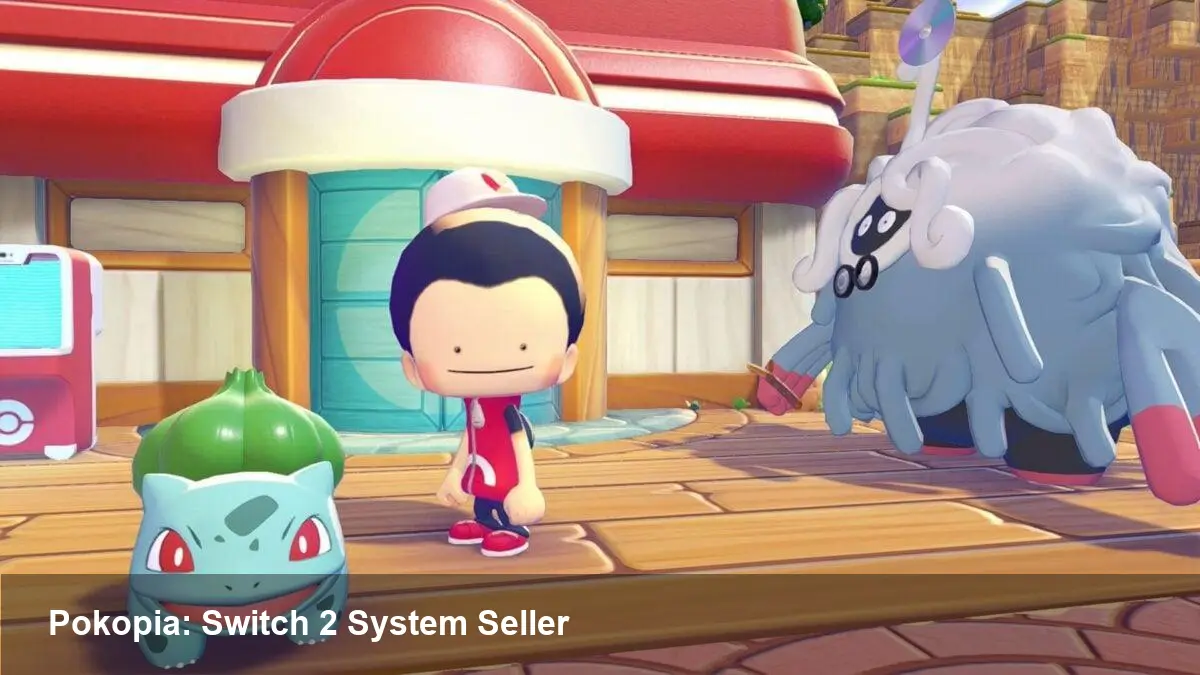
Rumors and early impressions about a Nintendo Switch 2-exclusive Pokémon life simulation — commonly referred to in conversation as "Pokémon Pokopia" — have stirred a lot of attention. Whether you’re a player thinking about upgrading hardware, a developer planning next-gen releases, or a founder sizing up platform strategies, a single first-party title can change buyer behavior. This piece walks through how a genre pivot in the Pokémon franchise could act as a system seller, what that means practically, and how developers and businesses should prepare.
A quick context primer
Nintendo has historically leveraged flagship franchises to drive hardware adoption. The Super Mario, Zelda, and Pokémon series have all performed that way at different points in the company’s life cycle. The Nintendo Switch enjoyed years of sustained sales in part because of compelling first-party exclusives that showcased unique use cases — portable play, couch co-op, and touch controls.
Pokémon’s brand power is massive and unusual: it spans casual kids, lifelong collectors, and competitive players. If Nintendo and The Pokémon Company orient a new, broader-appeal life-sim around that IP and make it exclusive to a new console, they’re not just releasing a big game — they’re offering a reason for many owners of older hardware to upgrade now rather than later.
What a Pokémon life-sim brings to the table
A life-sim Pokémon title (think social hub, base-building, creature care, and emergent player-driven interactions) shifts the franchise into the kinds of experiences that older entries didn’t emphasize. For potential Switch 2 buyers, that matters for several reasons:
- Broad demographic appeal: Life sims attract nontraditional gaming audiences — older adults, families, and players looking for low-stress, long-form play. That expands the buyer pool.
- Showcases new hardware capabilities: A portable-first life-sim can highlight higher-resolution screens, longer battery life, or improved local wireless for co-play, making those hardware upgrades feel tangible.
- Long engagement window: Social elements, seasonal updates, and persistent customization keep players invested — increasing the perceived value of a hardware upgrade over time.
Concrete scenario: a parent buys a Switch 2 because their kid wants Pokopia’s social gardening and village events, then the console becomes a shared household device for streaming and local multiplayer. That’s the kind of cross-use justification that moves more units than niche performance improvements.
Implications for developers
If a high-profile Pokémon life-sim becomes a Switch 2 exclusive, the ripple effects for studios are notable:
- Engine and toolchain choices matter. Developers will prioritize engines and middleware that target the new console efficiently. Early SDK access, optimized rendering pipelines (for potentially higher res/60fps handheld) and support for dynamic content updates will be in demand.
- Live service architecture. To match a life-sim’s live features — events, seasonal content, player housing — teams must invest in backend scalability, content pipelines, and QA for continuous deployment.
- Design for portability and accessibility. Life sims need approachable UX, robust save systems, and quality-of-life features for short sessions — leveraging the handheld nature of the device.
- Porting calculus. Third-party studios must weigh whether to target Switch 2 as a primary platform or plan cross-gen releases. An exclusive, high-selling first-party title increases the install base rapidly, which can tip the scales toward supporting the new hardware sooner.
For indie studios, there’s also opportunity: if Nintendo’s next console encourages social, shared experiences, middleware and tooling that simplify online features and content creation will be valuable — and monetizable.
Business and platform strategy angles
For Nintendo, turning Pokémon into a system seller is low risk with high reward. The company controls the IP through The Pokémon Company partnership and can integrate hardware messaging (battery, screen, portability) into marketing organically.
For third parties, the timing could be tricky. A large install base of Switch 2 owners creates a new audience, but launching on a brand-new platform often requires re-certification, additional QA, and potentially fresh marketing. Some publishers prefer waiting for a robust multi-year lifecycle to ensure returns on porting and marketing investments.
Subscription and microtransaction considerations also matter. If Pokopia leans into live ops, Nintendo and partners will need clear monetization guardrails to avoid alienating longtime fans. Nintendo’s conservative approach to monetization may modulate how aggressive live-service mechanics become.
Pros, cons, and practical limits
Pros:
- A first-party life-sim under a beloved franchise can compel upgrades from lapsed or undecided buyers.
- Life-sim mechanics naturally extend engagement and create recurring revenue opportunities (cosmetics, expansions) without undermining the core experience.
- New hardware features (improved display, battery, wireless) become demonstrable by design.
Cons / limitations:
- Exclusivity narrows reach: while it drives console sales, it excludes players on legacy devices and other platforms — a tension Nintendo must weigh.
- Hardware alone won’t convert everyone. Price sensitivity, content loyalty, and supply constraints still limit how fast a migration happens.
- Expectations management: Pokémon fans have diverse desires. A life-sim may delight some and frustrate competitive or mainline fans if not handled as a complementary product.
Three forward-looking implications
1) Upgrade cycles will become more IP-driven. If Pokopia successfully unlocks an otherwise dormant market segment, other platform holders and publishers will double down on releasing flagship exclusives timed to hardware launches.
2) Live ops and cross-generational support will be strategic levers. Studios that can launch with live features yet maintain backward compatibility (or graceful cross-play) will hold an advantage in player retention and goodwill.
3) Middleware and tooling will see demand. Expect to see more companies offering end-to-end live-service stacks and mobile-first networking kits tailored to hybrid consoles — because small teams can no longer treat online as an optional add-on.
How companies and developers should act now
- Get SDKs and developer documentation out of Nintendo early if you can: early familiarity with the platform lets teams test performance and UI assumptions before launch churn.
- Prioritize modularity: build systems that can scale to higher fidelity assets for Switch 2 while remaining functional on older hardware (if you commit to cross-gen support).
- Plan live features carefully: incorporate telemetry, rate-limited updates, and rollback mechanisms so you can iterate without catastrophic outages.
For startups and publishers, monitor install-base signals. A rapid initial adoption of a new console — accelerated by a single blockbuster exclusive — can change market economics for six to 12 months.
Whether Pokopia ends up being the definitive Switch 2 system seller or simply one compelling reason to upgrade, the scenario underlines a recurring truth: powerful IP plus a thoughtful genre shift can unlock hardware demand in ways raw specs rarely do. For product teams and founders, that’s both a reminder and an opportunity to align content, platform, and live strategies early.