How Pearl Abyss Is Reworking Crimson Desert’s Controls

A rough launch and a swift promise
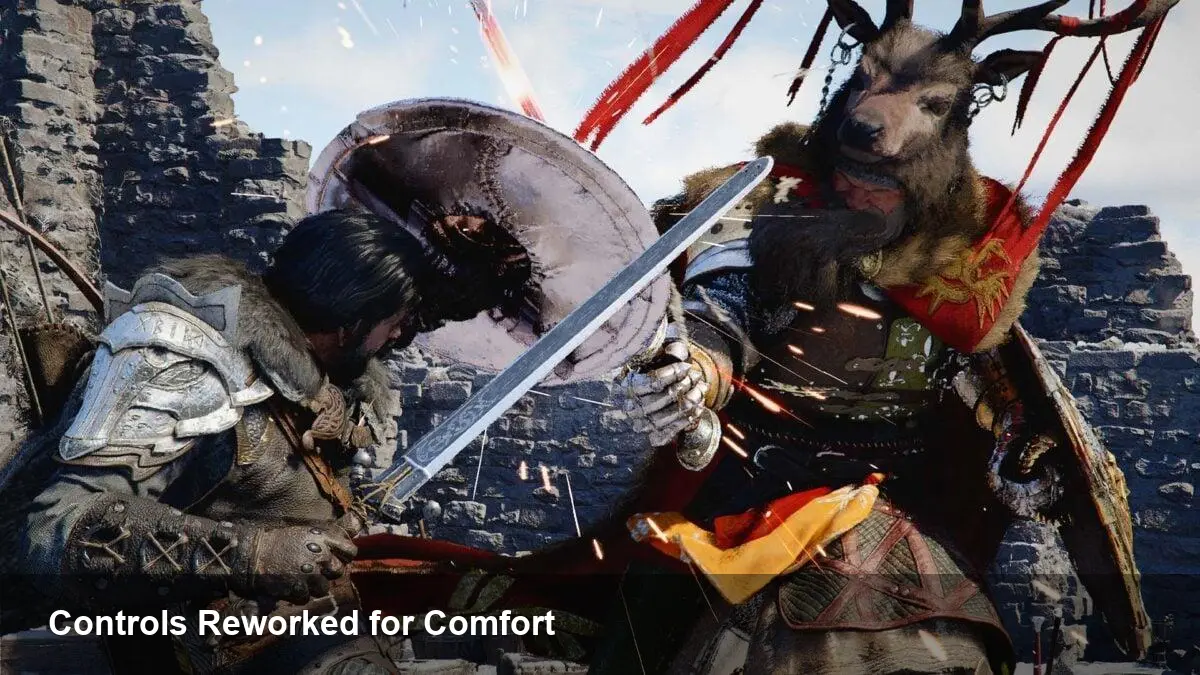
Crimson Desert, Pearl Abyss’s ambitious open-world action title, ran into a familiar post-launch headache: players complained that the control scheme was unintuitive and physically uncomfortable for extended play. The studio publicly acknowledged the feedback and promised to deliver additional control options in an imminent patch.
This isn't a story about bugs or server instability; it's about ergonomics and usability. Controls are the invisible layer that connects a player to a game's systems. When that layer is too complicated or awkward, the rest of the experience suffers — regardless of visuals or content depth.
Pearl Abyss and Crimson Desert: a quick primer
Pearl Abyss is a South Korean developer known for high-fidelity action MMOs and single-player experiences. Crimson Desert was positioned as a big, narrative-driven action game with deep combat systems and cinematic presentation. That ambition requires a control model capable of supporting varied playstyles — from precise combo timing to exploration and casual play.
At launch, players signalled that the existing control setup missed that mark for many. The response from the studio — admitting they were listening and scheduling a patch to expand control options — is important. It shows a commitment to UX improvements rather than simply moving on.
What players were struggling with (real-world scenarios)
- A casual player picking up the game for the first time finds the input sequences unintuitive. Instead of experimenting, they revert to idling or abandon the session after frustrated attempts to chain actions.
- A speedrunner or streamer wants consistent, tightly-timed inputs but finds that certain actions are bound to awkward modifiers or a different input paradigm than comparable titles, forcing them to relearn basic moves.
- Gamers with limited mobility or hand fatigue discover the control layout demands frequent rapid presses or complex holds that make extended play painful.
These are practical problems. They affect retention, social sharing (clips, streams), and word-of-mouth. For an expensive AAA title, that kind of friction has a measurable business impact.
What the studio is promising — and what that means
Pearl Abyss confirmed it will add new control options in a near-term patch. While the studio has not (publicly) enumerated every setting it will introduce, the general promise implies several practical avenues:
- Expanded key/button remapping so players can adapt the layout to their hardware and preferences.
- Accessibility-oriented toggles such as hold-to-toggle vs. press-to-toggle, input leniency windows, and simplified control presets.
- Quality-of-life adjustments like camera smoothing, separate sensitivity for aim vs. camera, or unified input behavior across combat states.
Why does that matter? First, it directly addresses the ergonomics that block players from enjoying the game. Second, adding configurability extends longevity: players who initially struggled are more likely to return if they can tailor inputs to their habits.
Short-term actions for players and community
- Check the game’s settings now: apply any existing controller presets or keyboard layout changes. A controller may offer a more natural mapping for some action-focused sequences.
- Share precise feedback with the studio: include your platform, input device, a short description of the problem, and a short clip if possible. Targeted reports make it easier for designers to reproduce issues.
- Use community resources: other players often share temporary remapping guides, overlays, or recommended presets while developers prepare an official patch.
Those steps don't replace the studio patch, but they can reduce friction in the meantime.
Lessons for developers and studios
This episode is a reminder of several product and development discipline points that are relevant beyond this single game:
- Ship with flexible input systems. Making control mappings a runtime-configurable layer is comparatively cheap engineering-wise and expensive to add after-the-fact.
- Test with a diverse player set. Usability labs should include players with different playstyles and physical abilities. Early detection of 'discomfort' saves support costs and reputational damage.
- Use telemetry intentionally. Collect anonymized data on failed inputs, abandoned combos, and session length correlated with control changes. That data helps prioritize fixes and demonstrates impact to stakeholders.
For studios, the way a team communicates a fix can matter as much as the fix itself. A transparent timeline, interim mitigations, and frequent updates help rebuild trust.
Business and user-experience implications
Control problems at launch can lower early review scores, dampen peak concurrent players, and reduce community momentum. Conversely, a prompt, well-communicated fix can restore goodwill and even become a signal of product maturity and responsiveness. From a monetization and retention perspective, investing in control accessibility is low-hanging fruit: it bumps engagement without creating new content.
There's also a brand implication. Pearl Abyss has built a reputation on ambitious systems and technical polish; closing the gap between ambition and usable execution reinforces that reputation.
A look ahead — three broader implications
1) Greater emphasis on accessibility: As more studios face these moments, expect accessibility and control configurability to be non-negotiable in AAA releases. It will become part of the production checklist rather than a post-launch patch.
2) Standardized control layers: Middleware or internal standards for input mapping that survive platform differences (PC, console, controllers, accessibility devices) will gain traction. Studios that develop reusable, modular input stacks will iterate faster.
3) Community-driven UX influence: Developers are learning that early community feedback is invaluable. Expect more staged rollouts and opt-in testing builds to validate control schemes before a broad launch.
Practical closing note
For players, the upcoming patch is likely to make an immediate difference — especially for anyone who found the initial controls tiring or confusing. For developers and product teams, this is a concrete example of why human factors and configurability deserve priority in game design.
If you play Crimson Desert, take a moment to document one specific control friction you want fixed and share it with the studio: targeted input makes for faster, more effective patches. What would you change first in your control layout?