How Overwatch Rush Repackages Overwatch for Mobile

A quick primer: what Overwatch Rush is
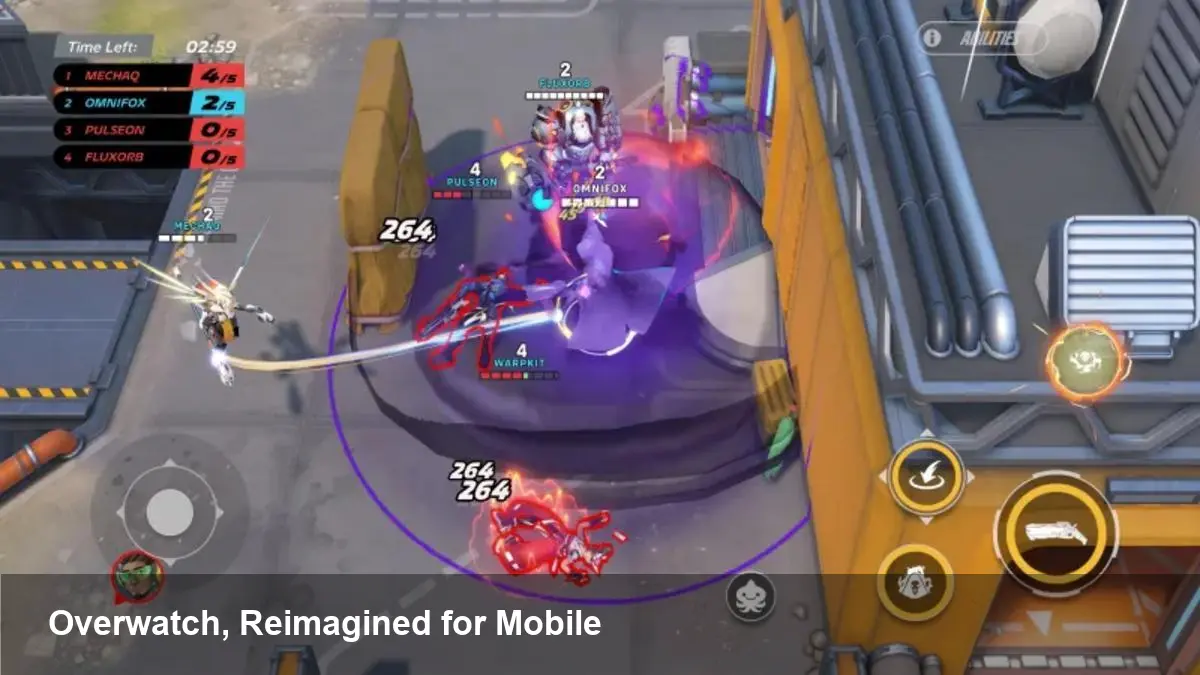
Blizzard has taken the characters and DNA of Overwatch and translated them into a top-down, twin-stick shooter optimized for mobile devices. Rather than the first-person, team-based matches that defined the original franchise, this version prioritizes short sessions, simplified controls, and a perspective that fits touchscreen play.
This is part of a broader trend: major console and PC franchises are being adapted into mobile-native experiences rather than straight ports. For teams, publishers, and players, that shift raises both opportunity and risk.
Why Blizzard is doing this
There are three practical incentives for converting a hero shooter to mobile:
- Audience growth: Mobile massively expands potential reach. Many players who never picked up a PC or console shooter are comfortable with quick, session-based mobile titles.
- Format fit: Hero-based games with distinct characters and visual clarity map well to a top-down view, which highlights abilities and space without demanding precise FPS aiming.
- Live-ops potential: Mobile monetization and retention systems (battle passes, timed events, cosmetics) let publishers run continuous engagement loops.
But Blizzard’s history with mobile—most notably Hearthstone’s success and Diablo Immortal’s rocky rollout—shows how execution, especially around monetization and community communication, matters as much as platform choice.
Design trade-offs: turning FPS mechanics into twin-stick systems
Adapting a first-person hero shooter to twin-stick, top-down mobile controls requires more than shifting camera angle. Practical design changes include:
- Input mapping: Abilities need rethinking for dual-thumb controls. Complex combos and precise movement-based mechanics have to be simplified or automated.
- Visual clarity: From above, ability telegraphs, health states, and collision must be readable on small screens. That often means larger UI elements and stronger visual contrast.
- Match pacing: Mobile players expect short, discoverable sessions. Objective design and respawn systems should favor 3–7 minute rounds rather than longer competitive matches.
- Balance and identity: Each hero must retain recognizable strengths while fitting new constraints. That can mean trimming toolkit depth or reworking ultimates to suit mobile match length.
Concrete example: a hero whose gameplay relied on precise flick aim in the FPS original may be reimagined with an auto-target ability or a directional skill that’s easier to trigger on touchscreens.
What players should expect
If you play the original Overwatch, expect familiar faces but different rhythms. Key player-facing outcomes:
- Faster, more arcade-like sessions. Expect games that fit commutes or short breaks.
- Simplified skill expression. High-level mechanical plays will be rarer; strategic positioning, timing, and meta-game choices will be emphasized instead.
- Cosmetic focus. Mobile adaptations typically put visual customization front and center, so expect skins and cosmetic systems to be prominent.
Players who value deep FPS mechanics may find the mobile iteration less satisfying, while newcomers or casual players will likely appreciate the low barrier to entry.
A developer playbook: translating hero shooters to mobile
For teams attempting a similar adaptation, here are practical steps drawn from what’s visible in projects like this and from mobile design best practices:
- Start with control-first prototypes. Validate movement, aiming, and ability triggers with a broad range of devices before locking visuals.
- Prioritize clarity over fidelity. Reduce visual clutter and make ability telegraphs and health easy to parse at small sizes.
- Reframe progression around short sessions. Use quick rewards, daily objectives, and small milestones rather than a grind-heavy long-term progression.
- Build for unreliable networks. Implement client-side prediction and reconciling logic so matches remain playable on inconsistent mobile connections.
- Instrument everything. Fine-grained telemetry for session length, retention funnels, ability usage, and monetization behavior will drive balance and product decisions.
These measures help preserve the franchise’s identity while respecting the realities of mobile hardware and player behavior.
Business upside — and where things can go wrong
Mobile launches are tempting because of reach and recurring-revenue mechanics, but several pitfalls deserve attention:
- Community fragmentation: Multiple versions of a franchise across platforms can split player bases and competitive ecosystems.
- Monetization backlash: Diablo Immortal’s experience shows how perceived predatory monetization can provoke strong negative response. Transparency and fairness in monetization design are crucial.
- Brand dilution: Over-simplifying characters or monetizing core identity features harms long-term franchise value.
On the positive side, a well-executed mobile adaptation can increase IP visibility, funnel players into other franchise products, and create new recurring revenue streams through cosmetics and live events.
Strategic signals for studios and startups
- Invest in mobile-first design early. Trying to bolt mobile controls onto a console/PC codebase rarely produces good results.
- Live ops and community management must be baked in. Rapid tuning, events, and transparent communication matter more on mobile’s continuous cadence.
- Cross-promotion works when handled carefully. Linking mobile releases to console/PC ecosystems (cosmetic cross-saves, shared progression) can be valuable but needs thoughtful constraints to avoid unfair advantages.
Two implications for the next wave of adaptations: expect more IP owners to create mobile-native spins (not straight ports), and expect these games to lean heavier into short-session, social, and cosmetic systems.
Where this shift might lead
Translating a hero shooter to twin-stick mobile play is a template other studios will study. If Blizzard’s version finds product-market fit without alienating core fans, we’ll likely see more high-profile franchises reimagined for touchscreens rather than emulated. That could make mobile the place for experimental, lower-friction variants of big-IP experiences.
For players, the promise is access to beloved characters in new forms. For developers and businesses, the challenge is to balance fidelity to the source with the constraints and opportunities of mobile. How studios handle control design, monetization, and community trust will determine whether these adaptations expand a franchise—or erode it.
If you’re building one of these games, focus on controls, clarity, and fair engagement systems first; the rest follows.