How Metroid Prime 4 Began — Nintendo Explains Reboot

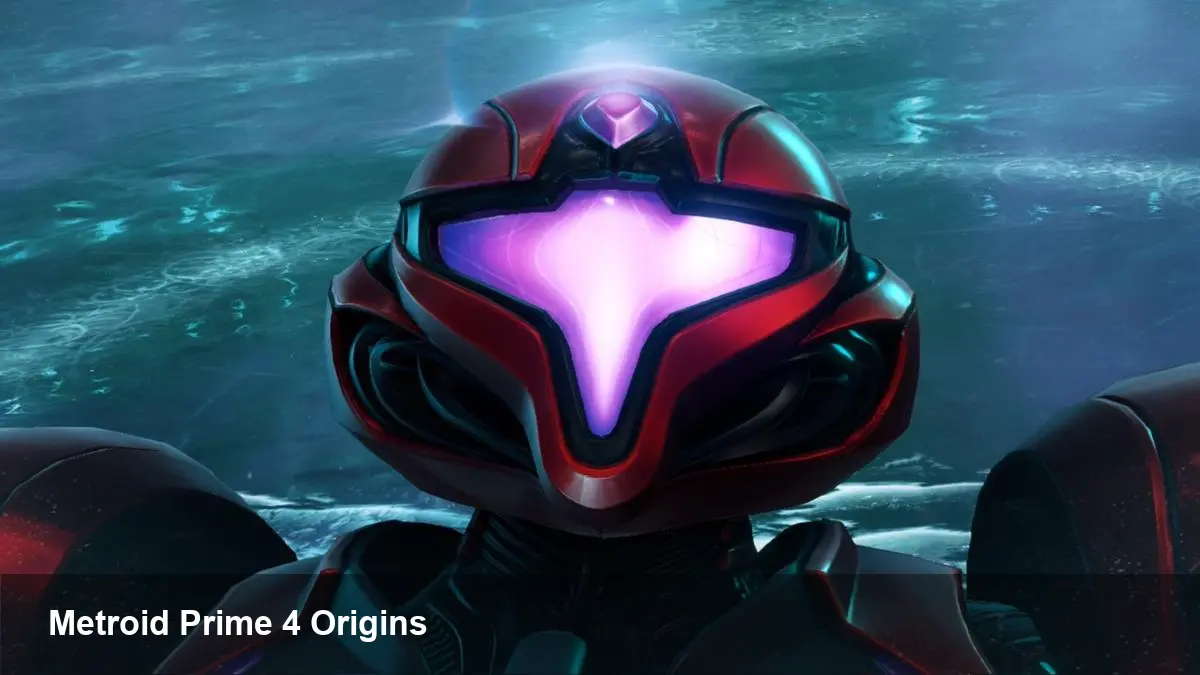
• Key Takeaways:
- Metroid Prime 4 began as a direct request from Nintendo of America to make a new numbered Prime title.
- Development shifted to Retro Studios mid-project; Retro had to build the internal structure to make a Metroid Prime game.
- Background assets and movie creation were outsourced and required close progress management to meet quality and schedule.
- New staff were guided to understand the franchise’s design “feel,” including the Japanese concept of ‘ma.’
Origins: a request from Nintendo of America
Nintendo confirmed in a recent Famitsu interview that Metroid Prime 4: Beyond originated as a request from Nintendo of America for a new mainline Prime entry. The team set out to preserve the series’ core — the “Prime”-ness — while delivering fresh experiences and focusing the narrative on the relationship between Samus and Sylux.
Interview and source
The details come from a developer interview published in Famitsu and translated by coverage outlets. Nintendo framed the project as both an artistic continuation and an opportunity to deepen existing character threads.
Why the long development and the Retro reboot
Partway through development the project changed hands and was restarted at Retro Studios. Nintendo says Retro initially "did not have the structure to make a Metroid Prime game," so the studio first built the necessary internal systems, pipelines, and organization to support the franchise’s scope.
Outsourcing and progress management
Nintendo also disclosed significant outsourcing for background models and in-engine movie production. Selecting external partners and coordinating them required dedicated progress-management staff who balanced schedule and quality.
Nintendo credited these managers and external teams for helping the project reach its final form and expressed gratitude to the studio teams responsible for producing the data.
Learning the design language
A key internal challenge was onboarding new staff to the franchise’s design plan. Nintendo emphasized that Metroid Prime is not just about building mechanics but creating a particular player experience — the “feel” of exploration, pacing, and tension.
Developers specifically mentioned teaching staff the Japanese concept of ‘ma’ — the appreciation of space and gaps between elements that enhances pacing, atmosphere, and the sense of time.
See and hear more
Embedded in the original coverage is a Famitsu interview clip and supplementary materials where Nintendo elaborates on why Prime 4 does not pursue a fully open-world structure and how design choices were prioritized.
Nintendo’s account frames Metroid Prime 4’s long development as a product of creative ambition, a studio transition, and careful management of external partners — all aimed at delivering a recognizable but renewed Prime experience.