How Hades II on Xbox Game Pass Changes the Launch Playbook

A big sequel, a subscription launch
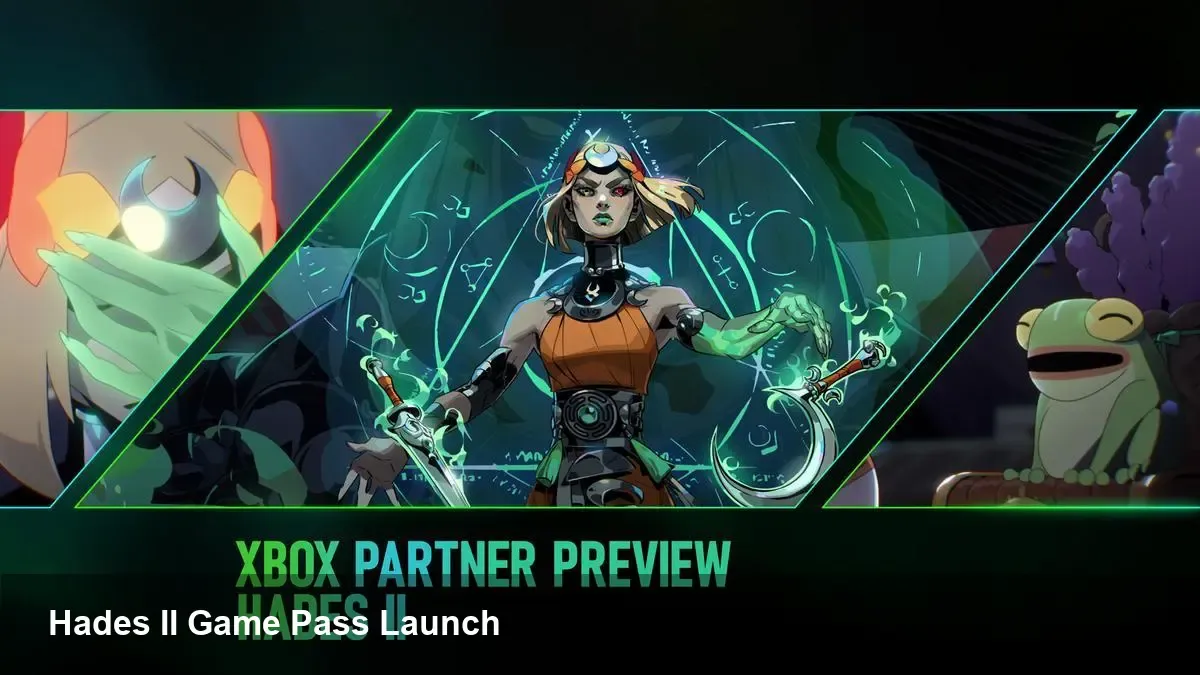
Hades II arrives on Xbox platforms via Xbox Game Pass on April 14, marking one of the higher-profile entries into Microsoft’s subscription vault this year. For players who loved Supergiant Games’ first Hades — praised for its tight combat loop, character-driven storytelling, and polished audiovisual design — this sequel's wider availability matters: it lowers the barrier to entry and puts a sequel into the hands of a much larger, cross-platform audience from day one.
Why this release matters: context and company background
Supergiant Games made a name by combining handcrafted art, reactive narratives, and finely tuned action design. The original Hades became a touchstone for how to modernize the roguelike: accessible controls, meaningful progression between runs, and a dense cast of characters that made repeats feel rewarding rather than repetitive. Hades II was always shaping up as a continuation of that design philosophy, but the move to include it in Xbox Game Pass on April 14 signals a strategic shift in how premium indie titles reach players.
Microsoft’s Game Pass has matured from a library of older titles into a frontline distribution channel. Inclusion in Game Pass can turn a single-game release into a cultural moment — broadening reach, generating streaming buzz, and creating a steady active player base faster than many paid-only launches.
What players should expect on April 14
- Immediate access for Game Pass subscribers: If you subscribe to Game Pass, Hades II will be available without an additional purchase on Xbox consoles. That encourages trial — players who might hesitate over a full-price purchase can jump in and form an opinion quickly.
- Lower friction for new players: With controller-first design and familiar combat patterns inherited from the first game, new players can pick up the game quickly. Cloud saves and cross-platform support on Xbox could make it easy to switch between PC and console.
- A more mature codebase at launch: Bringing Hades II to Game Pass in its “most complete” state suggests Supergiant is shipping a build with substantial content and polish rather than early-access iterations. That improves the initial onboarding experience and reduces the friction that often comes with early releases.
Practical scenarios: how different users benefit
- Casual players: Someone who subscribes to Game Pass for a few months can play through the bulk of Hades II without committing to a full-price purchase. That reduces buyer’s remorse and exposes more people to Supergiant’s IP.
- Streamers and content creators: Game Pass availability increases the potential audience for streams and videos. Creators can attract viewers who can immediately try the game themselves, boosting engagement and community growth.
- Speedrunners and communities: A large, unified player base consolidates leaderboards and community guides, accelerating the creation of shared strategies and meta-discussion.
Developer and business implications
For Supergiant and studios watching closely, the Hades II Game Pass move is instructive.
- Visibility versus direct sales: Game Pass trades direct storefront revenue for exposure and a share of Microsoft's subscription economics. For established studios with a strong reputation, the trade-off can be favorable: the game attracts a larger active audience and extends its lifecycle.
- Launch planning and quality expectations: To succeed on Game Pass, developers should treat the launch build as a showcase. Players discovering a title via subscription expect polished, content-rich experiences — a soft early access approach can work, but first impressions on a subscription platform carry heavy weight.
- Post-launch support: With a broader initial audience comes pressure to maintain and iterate. Community feedback, balance patches, and content drops become central to retaining players over months and years.
Technical and platform considerations
- Optimization and controller experience: Porting to Xbox isn’t just a checkbox; good controller mapping, UI tweaks for couches and TVs, and performance optimization are essential. Supergiant’s prior experience with console ports (from the original Hades) lowers risk here.
- Cloud saves and cross-play: If the release includes cloud save continuity, players moving between Xbox and other platforms will have a smoother experience. Cross-platform social features and leaderboards amplify community activity.
Limitations and open questions
Subscription launches are powerful, but there are downsides to consider:
- Monetization constraints: DLC and post-launch paid content strategies must be balanced with subscription-era expectations. Players who get the base game via Game Pass may expect future expansions to be included, complicating revenue planning.
- Perceived value vs ownership: Some players still prefer ownership over subscription access. Studios must weigh how much of their audience they want to convert into owners versus reaching broader but non-owning players.
- Platform fragmentation: Ensuring parity across PC storefronts, consoles, and subscription services requires additional QA and support.
Concrete takeaways for other developers and publishers
- Polished first impression matters: If you’re considering a Game Pass launch window, treat the “complete” release as marketing. Early polish converts subscription trials into long-term fans.
- Community-driven iteration scales: Leverage a larger launch audience to crowdsource balance and quality feedback quickly; be ready to iterate fast.
- Cross-promotion opportunities: Use Game Pass to funnel players into merch, DLC, or sequels — subscription players may be more likely to engage with the franchise in other ways.
Three future-facing implications
- Subscription-first launches will push more indies and mid-size studios to rethink timing, balancing early access with polished ‘big-bang’ releases that attract Game Pass players.
- Expect accelerated content calendars: With larger initial audiences, studios will be incentivized to support frequent updates and seasonal content to retain attention.
- Discovery networks will intensify: As notable indie hits appear on Game Pass, platform algorithms and editorial curation will grow in influence over which games break out.
Hades II arriving on Xbox Game Pass on April 14 is more than a date on the calendar — it's a bellwether for how high-profile indie sequels can use subscription ecosystems to scale reach and community quickly. For players, it’s a lower-friction way to dive into Supergiant’s world; for studios, it’s a case study in how polished launches and post-release support can leverage modern platform economics to sustain a title over the long term.