How Google Play Games for PC Changes Premium Android Gaming

Why this matters now
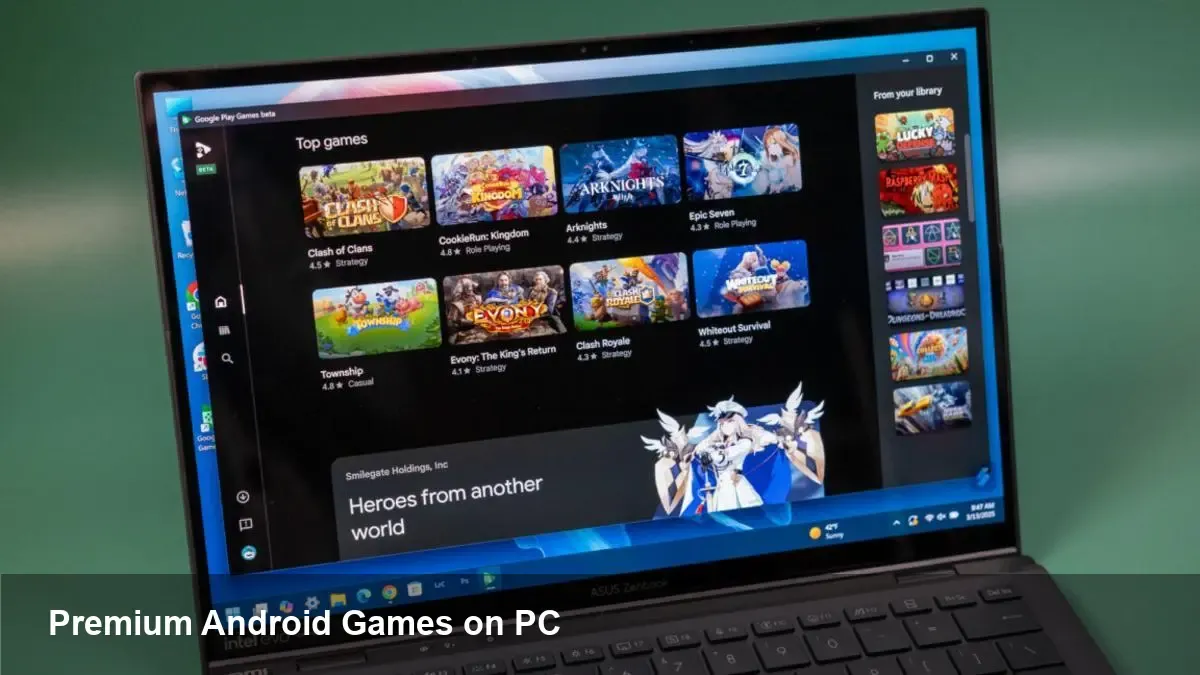
Google is pushing Google Play Games for PC beyond its original “run Android games on Windows” promise. The platform's growing support for premium paid titles and a cross-buy model between Android and PC changes how consumers pay, developers package games, and how studios approach platform strategy. For developers and founders building game businesses, it’s worth understanding the practical ramifications rather than only the marketing headlines.
Quick background
Google Play is the primary storefront for Android apps and games. The Play Games for PC initiative is Google’s effort to bring that catalog to Windows machines with native-like controls, cloud saves, and direct access to a larger installed base. Unlike streaming services or full emulation layers, Google’s approach is intended to tightly integrate Android-originated games into PC workflows—supporting keyboard/mouse, controllers, and Windows display resolutions.
What premium titles + cross-buy actually mean
- Premium titles: Some developers are already selling premium, pay-once Android games through Play that shift from a free-to-play monetization model. When those games appear on Google Play Games for PC, players can expect the same upfront purchase model—no subscription required.
- Cross-buy: Purchases made on Android can unlock the same game on the PC client, and vice versa. That reduces friction for customers who switch between devices and increases the perceived value of a single purchase.
These features combine to deliver a compelling consumer proposition: buy a game once on your phone and play it on your laptop with a keyboard and larger screen without repurchasing.
Developer and studio implications
- Simplified monetization choices: Indie teams that prefer premium pricing over ad- or IAP-driven models can now treat Android and PC as the same product line, avoiding complex platform-specific pricing strategies.
- Packaging and certification: Developers will need to account for additional QA (keyboard/mouse layouts, full-screen scaling, windowed mode) and possibly different store assets or promotional materials tailored to PC shoppers.
- Cloud saves and progression parity: Offering synced saves between Android and PC becomes a user expectation. Implementing reliable cloud-save logic (and handling migrations and conflict resolution) is no longer optional if you want a good cross-device experience.
- Discoverability trade-offs: The Play Games PC store will evolve its own discovery algorithms. Indies may gain exposure to desktop users but will also compete with native PC storefronts. Studios should prepare targeted marketing assets for both mobile and desktop audiences.
Two realistic scenarios
1) The indie developer with one hit An indie studio sells a premium story-driven game on Android for $6.99. With cross-buy enabled, every phone purchaser also gets the PC unlock. The team sees a bump in total revenue because users who prefer desktop play switch without repurchasing, and word-of-mouth spreads across both ecosystems. The team must invest in controller tweaks and cloud saves but avoids splitting their community across paid tiers.
2) The mid-size studio experimenting with bundles A studio publishes a base premium game and several smaller DLC episodes. On Android, they’ve historically split DLC into small IAPs. With Play Games for PC and cross-buy, the studio experiments with bundling DLC for PC purchasers and credits for Android purchasers, balancing platform parity while testing price elasticity.
What users get that matters
- One purchase, multiple form factors: Gamers who move between phone and PC no longer face repeated purchases for the same content.
- Better controls: Native keyboard and mouse support means some titles become genuinely playable on PC instead of being awkward ports.
- Cloud continuity: Progress syncing removes the friction of switching devices mid-campaign.
Shortcomings and practical risks
- Performance variance: Not every Android game scales well to PC hardware or screen sizes. Expect optimization gaps and occasional graphical artifacts until developers iterate.
- Anti-cheat and security: Competitive multiplayer games require stronger anti-cheat mechanisms on PC. Developers must decide whether to enable PC players immediately or stagger access while integrating protections.
- Platform fragmentation: Some features tied tightly to Android OS or Google Play Services (like some ad SDKs or Android-specific APIs) may not translate cleanly to the Windows client.
Business strategy considerations
- Revenue predictability: For many studios, a premium single-purchase model reduces dependency on live ops and ad revenue volatility. Cross-buy increases the lifetime value of that purchase by widening where it can be used.
- Marketing and analytics: Expect separate performance metrics for the Play Games desktop client—conversion funnels will need to track cross-device acquisition and attribution.
- Competitive positioning: PC-focused storefronts (Steam, Epic) will notice Android-originated titles reaching their user base. This could drive partnerships or friction depending on platform policies and revenue shares.
Three useful steps for studios today
- Audit your game for PC-readiness: controls, aspect ratios, and cloud-save paths.
- Test cross-buy flows in the Play Console to ensure licenses and entitlements behave correctly across devices.
- Revisit pricing and bundling strategies—cross-buy increases perceived value but can also compress opportunities for repeat purchases.
Where this trend could lead
- A stronger bridge between mobile and PC game ecosystems—making platform boundaries more porous for paid games.
- New monetization hybrids where a premium base product is complemented by optional live ops or optional subscription add-ons targeted per device.
- Greater pressure on discoverability tools—both Google and third-party services will compete to help players find premium mobile games worth bringing to PC.
The move to premium titles and cross-buy is a practical nudge toward treating Google Play as a cross-device game platform rather than a phone-only storefront. For developers and businesses, the immediate task is practical: make your games feel native on PC while rethinking pricing and cloud-sync strategies. For players, it just means fewer barriers to play where they want—an encouraging shift for anyone who buys quality games once and expects them to work everywhere.