How a Surprise Pokémon Hit Lifted Nintendo’s Stock 10%


A quick market shake-up
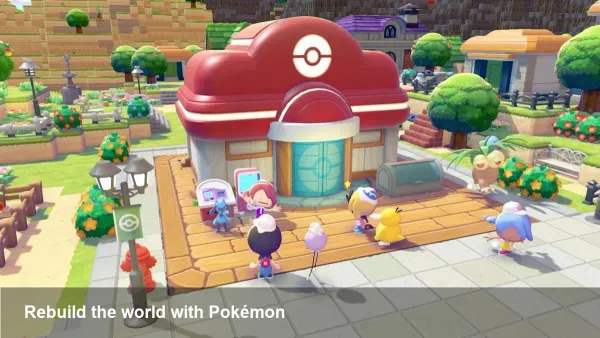
Nintendo’s stock experienced a sharp one-day bounce — rising as much as 10.5% in its biggest single-session gain since April — after the unexpected commercial success of a newly released Pokémon title. The rally was driven by investor enthusiasm that the game’s strong demand will shore up revenue even as the company faces higher component costs, particularly for memory.
This kind of market move is a reminder of how hit software can reshape sentiment for a hardware-heavy company. For Nintendo, the narrative shifted almost overnight from cost pressure to revenue resilience.
Nintendo and the power of Pokémon
Nintendo is a century-old entertainment company best known for consoles (Switch), first-party franchises (Mario, Zelda, Pokémon), and a deep ecosystem of hardware, software, and licensing. Pokémon, in particular, remains one of the most valuable IPs in gaming: new entries routinely drive console sales, digital downloads, and a wave of ancillary revenue from merchandise and mobile tie-ins.
When a Pokémon title performs above expectations, it does more than boost direct sales. It increases time spent on the platform, encourages hardware replacement/upgrades, and lifts the sales trajectory for accessories and services.
Why the stock jumped now
Two forces collided in this episode:
- A surprise hit in Nintendo’s software lineup that materially changes near-term revenue outlooks.
- Lingering market concerns about component inflation — notably memory chips used in consoles and handheld devices.
Memory costs (DRAM and NAND flash) have been volatile. When memory prices rise, gross margins on consoles and accessories can suffer because hardware revenue is sensitive to component cost swings. Analysts and investors price in those risks, which can weigh on valuations.
A breakout software release reduces the relative importance of hardware margins in the near term because software revenue has much higher margins and recurring potential (downloadable content, expansions, and digital storefronts). The market often responds quickly when earnings visibility improves, and in this case optimism around the Pokémon release outweighed the memory-cost headwinds.
Real-world implications for Nintendo’s business
- Revenue mix: A hit game pushes Nintendo further toward a software-driven revenue profile in the short term. High-margin digital sales and DLC can materially improve profitability even if hardware margins compress.
- Inventory and supply planning: Strong software demand can justify ramping production of Switch units and accessories, giving Nintendo leverage to negotiate component contracts and prioritize shipments. It also allows the company to time component purchases more advantageously.
- Brand halo: A major Pokémon win strengthens Nintendo’s bargaining position for merchandising, licensing, and media adaptations, turning a single software hit into multiple revenue streams.
Concrete scenario: If the new Pokémon title sells many millions of copies in its first quarter, Nintendo can expect a spike in Switch bundle demand. That spike can absorb higher memory costs across a larger revenue base, diluting their per-unit margin impact.
What this means for investors and competitors
- Investors: Short-term stock moves can reflect sentiment more than structural change. A sustainable valuation uplift will require consistent follow-through: continued strong software sales, digital monetization, or visible margin improvement.
- Competitors: Third-party publishers and platform holders watch these moves closely. A breakout Pokémon release can re-ignite third-party interest in Switch development or push competitors to accelerate their own marquee titles to capture market share.
For investors, the key questions are: Is the software success repeatable? Can Nintendo convert a single hit into lasting service revenue? How exposed are margins to future memory-price shocks?
Developer and partner takeaways
- Development priorities: For studios and middleware vendors, a resurgence in Nintendo’s software success signals sustained demand for Switch-native experiences. Indies and established studios may prioritize optimization for Nintendo’s hardware to capture this audience.
- Platform strategy: Third-party publishers may re-evaluate release timing and marketing spend for Switch releases, aligning big launches to ride console momentum.
- Supply chain partners: Component suppliers and contract manufacturers should expect changes in order volumes. A rally like this can translate into larger, prioritized orders for memory and other components.
Example: A mid-size studio planning a multiplatform RPG might accelerate Switch-specific QA and a timed marketing push to coincide with renewed Nintendo momentum, increasing its potential reach.
Limitations and risks to watch
- Single-title dependency: Relying on one franchise for sentiment is risky. If follow-up releases underperform, the stock can revert quickly.
- Memory-price volatility: Even with stronger software sales, persistent or renewed spikes in DRAM/NAND prices would compress margins on hardware sales and could offset software gains over time.
- Macro and consumer trends: Broader economic slowdown or reduced discretionary spending could blunt the longevity of increased engagement and purchases.
Three forward-looking implications
- Software-first buffer: Major software hits act as a financial buffer against hardware cost shocks. Companies with strong IP portfolios can use hits strategically to smooth earnings volatility.
- Value of diversified monetization: Digital stores, DLC, and subscription services are becoming more important as ways to monetize blockbuster releases beyond the one-time purchase.
- Supply-chain agility as a competitive edge: Firms that can flex production and negotiate component terms when software demand spikes will preserve margins and capture more upside.
Strategic moves worth watching
- How Nintendo manages digital monetization for the new title (DLC, season passes, events).
- Any shift in production guidance or component hedging to lock in better memory prices.
- Partnerships or licensing deals that extend the title’s reach into merchandise, media, and mobile.
Investor sentiment can be fickle, but a high-performing Pokémon release is the kind of event that can reshape the narrative for a hardware-focused company. For developers and partners, it’s a prompt to align roadmaps to capture renewed attention on Nintendo’s platform. For Nintendo, the challenge is translating a burst of goodwill into sustained revenue streams while managing ongoing supply-chain pressures.
Will this rally be a one-day reprieve or the start of a longer trend? That depends on follow-up titles, digital revenue execution, and whether memory-price dynamics ease or intensify.