
Getting Started with Monster Hunter Stories 3: Tips, Team Builds, and Why It Matters

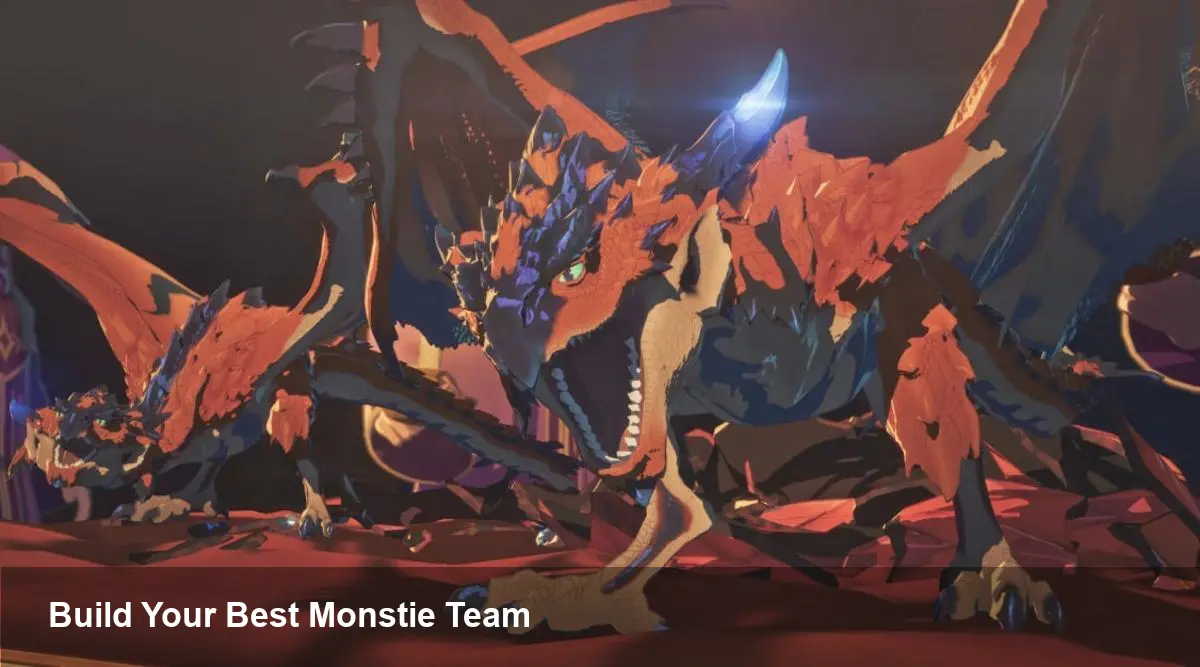
Why Monster Hunter Stories 3 matters
Capcom’s Monster Hunter Stories sub-series has always been the franchise's turn-based, monster-collecting counterpart to the mainline hunting games. The third entry keeps that DNA—focus on bond-driven combat, collectible "monsties," and a lighter, narrative-forward experience—while updating systems for a broader audience. If you’re switching from the action-heavy Monster Hunter games or jumping in fresh, Stories 3 offers a different set of priorities: team composition, breeding and genetics, and tactical, timing-based battles.
Quick primer for newcomers
- Playstyle: turn-based RPG with a "party" of ridden monsters (monsties) plus a rider. Combat rewards effective matchups, timing, and using kinship moves at the right moment. Exploration and town-building are important too.
- Core loop: explore overworld > encounter and recruit monsties > hatch eggs and manage genes > outfit rider and monsties with gear > complete missions and boss battles.
- Emotional loop: the bond mechanics encourage keeping and improving your favorites instead of replacing them frequently—so invest in a few monsters you enjoy.
Practical starter tips (actionable from day one)
- Build a balanced party, not a single carry
- Early progress is fastest with three reliable roles: a durable frontline, a high-output attacker, and a utility/support monstie (heals, debuffs, or crowd control). Rotate monsters to keep XP roughly even and avoid over-leveling one.
- Hatch eggs with intent
- Egg-hatching is where you get access to rarer species and better inheritances. Save eggs for monsters you want to specialize, and prioritize incubating ones that fill gaps in your team (e.g., a healer or a long-range attacker).
- Treat skills like a modular system
- Monstie skills and inherited passives compound. If you want a glass-cannon, prioritize offensive inheritance and skills that amplify damage. For a tank, seek health/defense passives and crowd-control abilities.
- Learn the battle rhythm
- Battles have a timing and matchup emphasis. Don’t button-mash: look for windows to use kinship abilities that grant big, tactical advantages. Use items conservatively but don’t be afraid to spend them on harder battles early to preserve your core team.
- Upgrade gear to match your team’s composition
- Rider weapons and armor matter for survivability and augmenting your monsties. Elemental advantages still exist—gear that amplifies the team’s strengths will speed clear times.
- Use swaps and items strategically against bosses
- Many boss battles are multi-phase. Swap to a monster that resists or exploits the boss’s new phase instead of trying to brute force through. Consumables that remove debuffs or heal status are essential in drawn-out fights.
- Manage genes and inheritance intentionally
- Later-game builds depend heavily on the inheritance system. Keep backup monsters as gene donors: transfer specific desired skills rather than breeding endlessly without a plan.
- Don’t ignore side content
- Villages, sidequests, and expeditions are rich sources of materials, rare eggs, and currency. They also unlock improvements that make the core campaign smoother.
- Experiment with team synergies
- Certain skills combo well—e.g., stagger/debuff followed by high-damage kinship. Try different pairings and keep notes of what works for specific encounter types.
- Quality-of-life: use fast-travel and autopilots
- The game often includes travel conveniences. Use them to reduce downtime between meaningful encounters and keep your momentum.
Two example early-game scenarios
- Early boss that staggers often: Bring a monstie with rapid, low-cost status effects and a kinship that multiplies damage after stagger. Use a support to top up HP and clear debuffs to keep the stagger loop going.
- Resource and breeding setup: Keep a stable of one high-HP tank and one high-attack donor. Breed to pass specific passives (e.g., elemental resistance or high-critical chance) to a chosen offspring and build it into your core DPS.
What Stories 3 means for players and developers
For players, Stories 3 is an accessible entry to the Monster Hunter universe that emphasizes collection, narrative, and turn-based tactics. It’s attractive for JRPG fans who enjoy creature raising and team optimization without the reflex-heavy combat of mainline titles.
For developers and studios, the series shows how a major action franchise can expand its audience by creating a parallel, lower-barrier product that preserves brand identity. The technical and design challenges include:
- Designing AI and encounter pacing for turn-based play while keeping the franchise feel.
- Balancing inheritance and progression so breeding remains rewarding but not game-breaking.
- Creating a bond-driven narrative that fosters long-term player attachment and retention.
Business implications and opportunities
- Audience growth: spin-offs like Stories 3 onboard younger or more casual players, building lifetime franchise value. Players who start in Stories may migrate to mainline Monster Hunter later.
- Monetization strategy: full-price releases with optional DLC allow Capcom to monetize a dedicated fanbase without fragmenting core competitive audiences.
- Cross-promotion: in-game events or tie-ins with mainline monsters keep the IP cohesive and provide marketing hooks.
Future implications and opportunities (three short insights)
- Deeper personalization will sell: players love unique pets. Expect more granular gene systems, cosmetic options, and perhaps procedural patterns to make each monstie feel unique.
- Social features add longevity: co-op expeditions, trading egg fragments, or PvP team duels would keep communities engaged and create organic marketing.
- Tooling meets AI: using machine learning to assist in animation blending or procedural behavior for hundreds of creatures could reduce development costs and make encounters feel more dynamic.
Final notes for new Riders
Start slow, focus on a small roster you enjoy, and think of breeding and inheritance as long-term investments. Monster Hunter Stories 3 rewards planning, curiosity, and experimentation—treat early setbacks as a chance to refine your team rather than a roadblock.
If you’re coming from the action entries, lean into the RPG systems; if you’re new to the franchise, enjoy the creature-first approach and take time to bond with your favorites.