Epic’s Disney Extraction Shooter: What to Expect

Why this collaboration matters
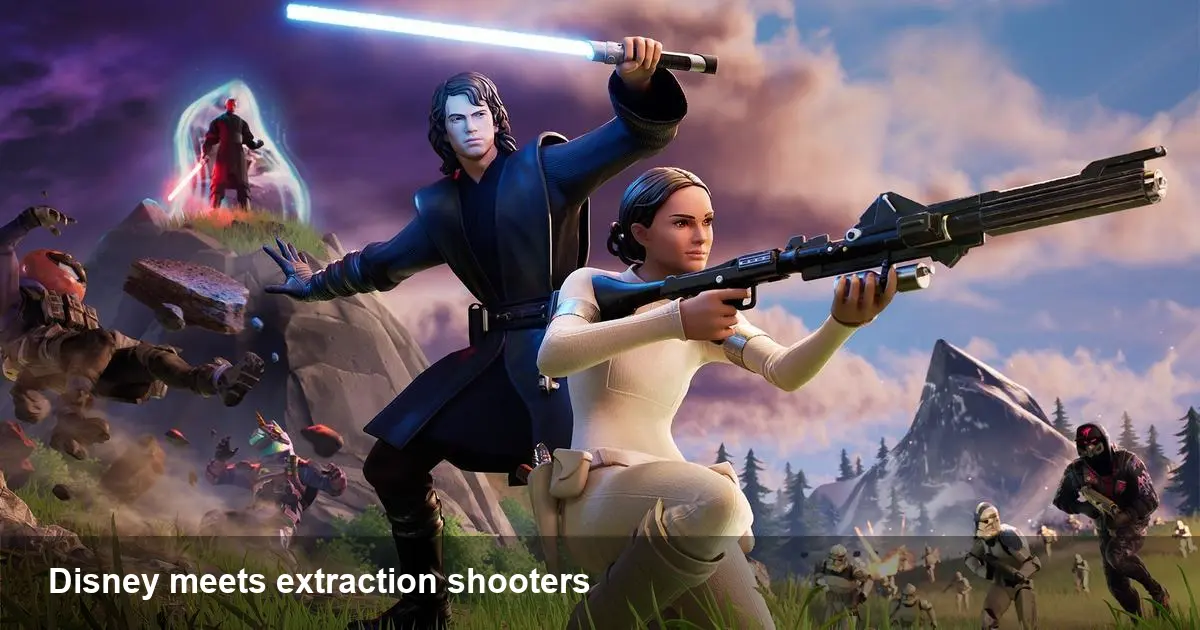
Epic Games is reportedly preparing an extraction-style shooter that will feature Disney characters, slated to arrive by the end of the year. That combination — a tense, high-stakes extraction loop married to some of the most valuable entertainment IP on the planet — is notable for several reasons: it signals how major game platforms are experimenting with cross-genre, cross-audience experiences, and it shows how live-service economics and IP licensing can reshape what players expect from both family franchises and hardcore multiplayer shooters.
A quick primer: extraction shooters and Epic's playbook
Extraction shooters (think of titles that center on short, risky raids where players loot, fight, and attempt to escape with their gains) emphasize tension and player choice over long-term grinding. Matches are often short but meaningful: risk your haul for higher rewards, or cut losses and extract early. The format has attracted a dedicated audience because it combines PvE and PvP tension with tangible stakes.
Epic brings strengths that align well with this format. The company has deep experience with live-service operations, cross-platform matchmaking, content drops, and cosmetic-driven revenue models from Fortnite. It also controls the Unreal Engine ecosystem, which can speed development, support high-fidelity visuals, and enable broad platform reach.
Gameplay scenarios: how Disney characters could fit an extraction loop
Pairing Disney characters with extraction mechanics creates interesting design questions and opportunities. Here are some concrete scenarios to imagine:
- Cooperative heist runs: Teams pick from a roster of iconic Disney personas — each reimagined as a class or archetype with unique abilities — and attempt to infiltrate guarded zones to recover rare artifacts. The run ends when a team reaches an extraction point under fire, with choices about which loot to prioritize.
- Dynamic encounter design: Familiar Disney settings could be reinterpreted as contested play spaces. A ruined amusement park or a magical castle turned battleground could provide verticality, environmental hazards, and scripted events that change each match to keep runs memorable.
- Risk/reward progression: Cosmetic and meta-progression rewards (skins, emotes, base upgrades) could be tied to successful extractions rather than mere kills, nudging players toward cooperative play and objective-focused strategies.
These scenarios keep the core extraction tension intact while using Disney IP to attract players who might not otherwise try the genre.
Business and platform implications
From a business perspective, this kind of collaboration is significant:
- IP as a player-acquisition engine: Disney characters offer instant recognition. That can lower the barrier for mainstream players to try an extraction shooter, expanding the pool beyond the genre's traditional audience.
- Monetization shape: Given Epic’s history, expect a free-to-play entry point with monetization focused on cosmetics, battle passes, and limited-time bundles. Disney properties could support premium cosmetic lines and co-branded drops that drive recurring revenue.
- Distribution leverage: Epic can promote the title through its own channels—Fortnite cross-promotions, the Epic Store, and Unreal Engine showcases—giving the game a built-in promotional runway few independent studios can match.
Developer considerations
If you’re a developer or studio watching this, there are two practical takeaways:
- Licensing constraints will shape design: Disney’s brand guidelines are strict. Developers will need to balance authentic character presentation with the mechanics and tone of an extraction shooter. That can mean sanitizing certain violence or framing conflicts to be less graphic while preserving tension.
- Live ops expertise is essential: An extraction shooter with licensed cosmetics and seasonal content demands robust live-ops pipelines—content creation, QOL updates, and anti-cheat systems. The teams that can iterate quickly and keep the meta engaging will succeed.
Pros and cons for players
Pros:
- Fresh audience crossover: Fans of Disney IP may try a new genre thanks to recognizable characters and settings.
- High replay value: The extraction loop scales well if the developers provide varied encounters and meaningful rewards.
Cons:
- Mismatch risk: Some players may feel Disney characters clash tonally with the violence and tension typical of extraction shooters.
- Monetization fatigue: Heavy push toward cosmetics and seasonal purchases can sour player sentiment if perceived as pay-to-win or aggressively monetized.
Potential limitations and pitfalls
A few concrete challenges deserve attention:
- Brand fit and age rating: Disney IP may push the rating lower than typical shooters, potentially constraining realism and weaponization. Designers will need creative ways to keep stakes high without crossing brand limits.
- Community expectation management: Fans of traditional extraction shooters expect deep, skill-based mechanics. Mainstreaming the genre with family-friendly characters could lead to polarized communities unless modes and matchmaking accommodate both audiences.
- Longevity versus flash: Celebrity IP and seasonal hype can deliver strong launch metrics, but long-term retention still depends on meaningful progression, balanced gameplay, and reliable servers.
Broader implications for the industry
Three forward-looking implications:
- IP-driven genre hybrids will grow: Expect more experiments combining beloved franchises with niches like extraction, roguelite, or survival. Publishers see IP as a way to broaden genre appeal.
- Live-service partnerships will demand operational scale: Cross-brand collaborations make backend reliability and content pipelines a competitive advantage. Studios without those systems will struggle to keep up.
- Licensing as product strategy: Deals that previously produced single-player tie-ins are evolving into ongoing service partnerships that require co-investment in community, moderation, and monetization strategy.
What to watch next
If this project is indeed arriving by year-end, watch for the following signals: developer previews showing how Disney characters are contextualized, the business model (free-to-play vs premium), and how in-game progression rewards player skill versus time or spending. Also monitor how Epic balances family-friendly presentation with extraction-game intensity—this balance will determine both mainstream appeal and core-player retention.
For players, it’s a moment to consider whether a familiar IP can be a gateway into a genre you’ve never tried. For developers, it’s a reminder that strong live-ops, careful design around licensed IP, and community-first balance are the keys to turning a high-profile collaboration into a lasting game.
If you follow shooter design or care about how big IP reshapes game genres, this one will be worth tracking as it nears release.