Dark Scrolls: Devolver’s New Retro Dungeon Scroller

Why Dark Scrolls matters
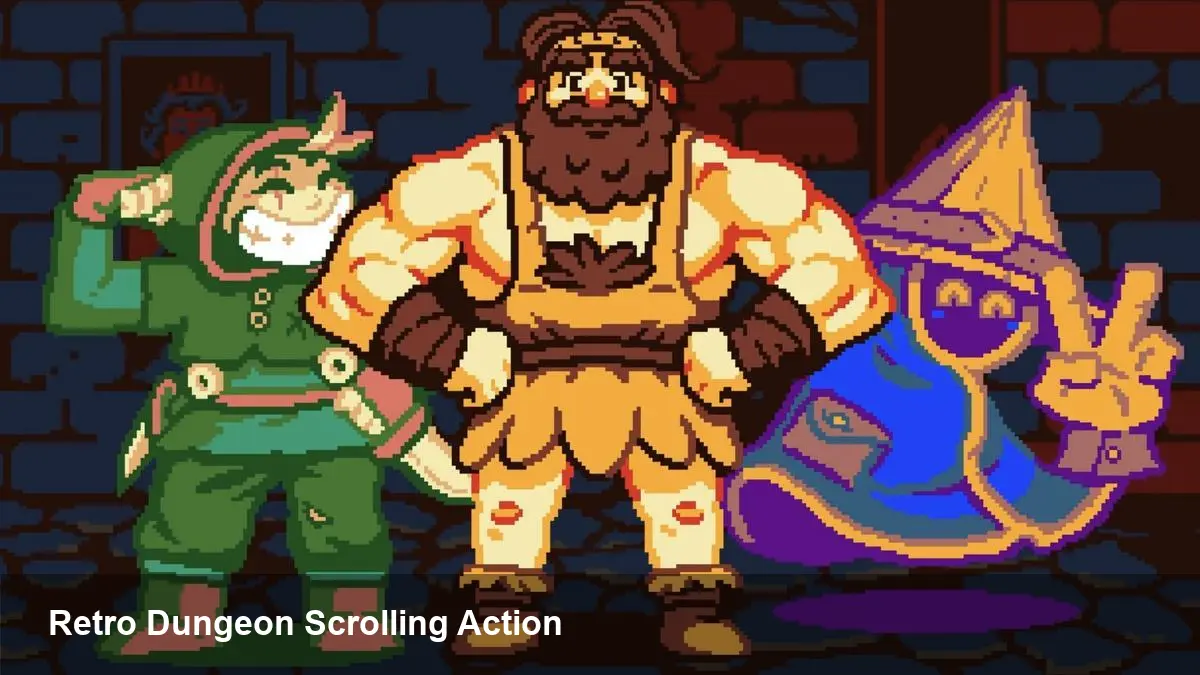
Devolver Digital is adding another retro-flavored release to its catalog with Dark Scrolls, a side-scrolling dungeon scroller headed to Nintendo Switch this year. For players who love pixel-driven fantasy, tight combat loops, and bite-sized levels, this is positioned to be a welcome throwback with modern design sensibilities.
This isn’t just nostalgia for nostalgia’s sake. Devolver has built a reputation for publishing indie games that pair distinct artistic identity with accessible gameplay. Dark Scrolls looks like the next iteration of that playbook: familiar mechanics wrapped in stylized presentation and tuned pacing.
Quick background on Devolver and the indie arcade trend
Devolver Digital has become synonymous with boutique indie publishing—risk-taking titles that often lean into distinctive visuals or audacious concepts. Over the past decade they helped make pixel art and retro-inspired gameplay commercially viable again. That context matters: a Devolver stamp signals a certain level of curation, marketing reach, and console-porting know-how, especially for Switch.
The resurgence of side-scrolling dungeon crawlers has been fueled by players wanting short-session games with deep mechanical hooks. Dark Scrolls lands into that niche: it’s designed for runs that reward skill and experimentation rather than long-form narrative commitments.
What to expect from the game (features and feel)
- Retro aesthetic with modern polish: think compact, deliberately pixelated visuals that use color, lighting, and animation to feel contemporary rather than purely nostalgic.
- Tight combat: expect precise hitboxes, parrying or dodge mechanics, and enemy patterns that require learning rather than stat-grinding.
- Procedural or semi-procedural dungeons: many modern dungeon scrollers mix handcrafted rooms with randomized elements to keep runs fresh. That approach preserves level memorability while boosting replayability.
- Progression between runs: meta upgrades, unlockable classes, or equipment that change how subsequent runs feel—perfect for pick-up-and-play sessions on a handheld like Switch.
- Short, focused runs: levels designed for 10–30 minute sessions, ideal for commuting or short breaks.
These features combine into a single, practical appeal: Dark Scrolls looks engineered to be both approachable and deep—easy to start, hard to master.
Three concrete player scenarios
- The commuter: someone who wants 15–20 minute runs on Switch during a commute. Dark Scrolls’ short run length and clear progression loops make it satisfying in short bursts.
- The streamer: bite-sized, skilled combat with visually striking enemy designs makes for engaging watchable content. Daily or weekly 'build' runs create repeat viewership.
- The co-op couch player: if the game supports local co-op or challenge modes, it becomes a go-to for quick multiplayer sessions on the Switch dock.
What this launch means for developers and studios
Dark Scrolls’ trajectory—from announcement to Switch release—illustrates several practical points for small studios:
- Partnering with a compact publisher can unlock platform certification and marketing muscle. Devolver’s history of Switch ports suggests they’ll handle optimization, certification hurdles, and a visibility push around release.
- Designing around sessions matters. Games that prioritize short, repeatable loops are a better fit for handheld-first platforms and modern attention spans.
- Visual identity can be low-cost but high-impact. Distinct pixel art and a strong audio palette deliver noticeable differentiation without AAA budgets. This model remains attractive to indie teams.
Business and market implications
- Switch remains a strong platform for indie titles. Even with Nintendo’s heavy first-party slate, there’s persistent demand for smaller, high-quality releases. The handheld audience tends to reward nostalgic or arcade-style titles.
- Lifecycle monetization: games like Dark Scrolls often succeed with a single purchase model plus occasional DLC (cosmetics, new runs, or extra classes). That model plays well on the Switch store and avoids the friction of in-app monetization.
- Signal effect: a Devolver release can lift discoverability. For indie studios, having a known publisher attached reduces the marketing hurdle and increases the odds of being noticed amid thousands of releases.
Pros, cons, and limitations to keep in mind
Pros:
- Strong fit for Switch and handheld play.
- Proven formula: short runs and meta progression drive replayability.
- Publisher support improves polish and platform reach.
Cons:
- Market saturation: the indie pixel dungeon space is crowded; standing out requires either exceptional mechanics or a unique hook.
- Difficulty spikes: tight combat can alienate casual players unless difficulty tuning or accessibility options are available.
- Platform expectations: Switch players expect solid performance and crisp controls—issues in these areas can hurt reception quickly.
Practical tips for players and small studios
For players: watch early gameplay videos to confirm the difficulty curve and run length match your style. If you enjoy mastering enemy patterns and experimenting with unlockables, Dark Scrolls is likely a good fit.
For developers: prioritize input responsiveness and short loop satisfaction. If you’re pitching to publishers, show how your game fits short-session play and portability—those are compelling points for Switch-focused partnerships.
Three implications for the near future
- More curated indie publishing: successful Devolver-supported launches will keep signaling that curated indie publishing is viable—publishers that can guarantee quality and distribution will remain valuable.
- Design for handheld-first: expect more indies to tune systems for quick sessions as portable platforms keep dominating casual playtime.
- Hybrid retro-modern aesthetics will persist: pixel art plus modern effects (lighting, shaders, fluid animation) will continue to be a cost-effective design choice for standout indie releases.
Dark Scrolls looks like the kind of indie that understands its audience: players who crave short, skill-oriented runs with immediately readable systems and a strong visual identity. For anyone who keeps a Switch charged for bite-sized adventures, this one is worth watching as it approaches release this year.