Asha Sharma’s mandate: clean AI and big bets for Microsoft gaming

Why this leadership change matters
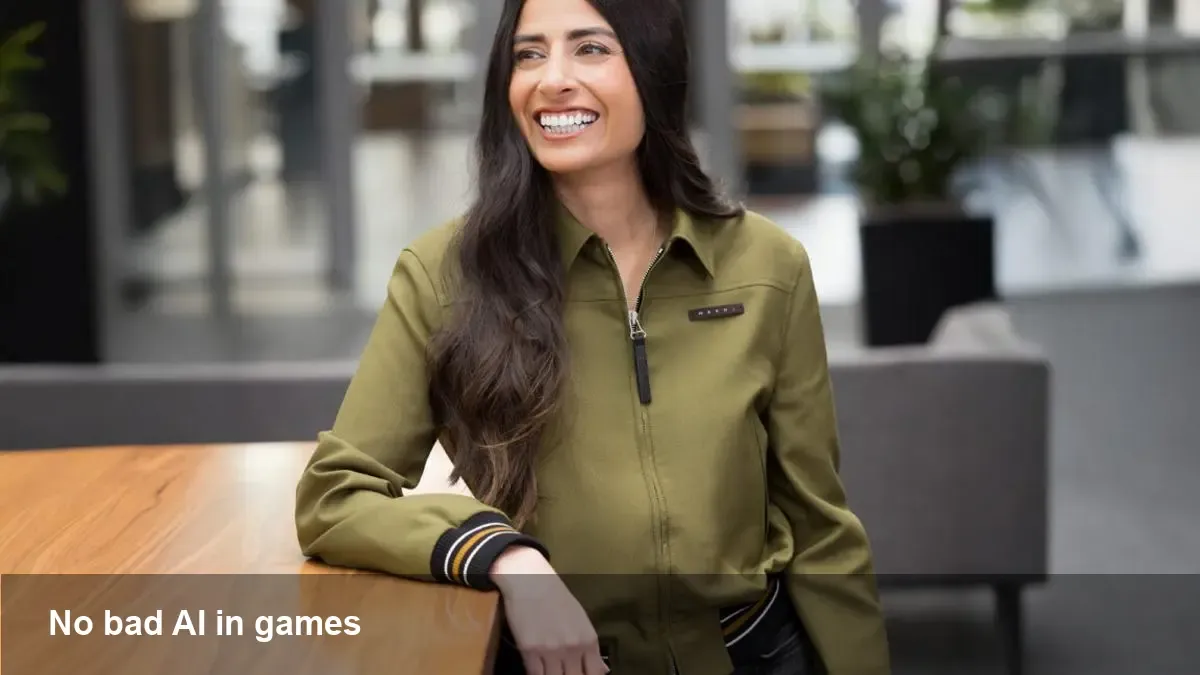
Microsoft's gaming arm—home to Xbox, Game Pass, cloud streaming, and a growing portfolio of studios—has a new senior leader in Asha Sharma. Her arrival is getting attention not only because she’s steering one of the largest entertainment businesses in tech, but because she’s made a clear priority of AI quality: she has said she will not accept poor or distracting AI experiences in games. At the same time, some in the industry are asking whether her background gives her the intuitive, hands-on gaming perspective many players and developers expect.
This is a consequential moment. Microsoft is integrating AI across its platforms and services (from Azure to generative models), and gaming is both a blue-ocean opportunity and a reputational risk for how AI is used. How Sharma approaches AI and developer relations will determine whether Microsoft can elevate player experiences or stumble into controversies common to early AI deployments.
Quick context: the Microsoft gaming ecosystem
Microsoft’s gaming footprint includes Xbox hardware, Game Pass subscription services, cloud gaming (xCloud), first-party studios acquired over recent years, and long-term investments in developer tools and cloud infrastructure. The company also pursued major consolidation efforts in the industry—moves that increased its scale and responsibilities for game quality, online safety, and AI-driven features like personalization and content moderation.
That mix makes the role more than product leadership; it’s about platform stewardship. Decisions here affect millions of players, thousands of third-party developers, and the direction of AI in interactive entertainment.
What Sharma’s focus on AI quality means in practice
Saying “no tolerance for bad AI” can be read as both a headline-ready line and a practical mandate. Here are specific areas where that mandate translates into operational choices:
- NPC behavior and immersion: Players notice when non-player characters behave oddly. Investing in robust AI for NPCs—context-aware decision making, long-term memory, and believable dialogue—reduces immersion-breaking moments.
- Procedural content generation with guardrails: Generative tools can speed level design, asset creation, and narrative prototyping, but poor outputs waste time and damage player trust. A strong QA pipeline and human-in-the-loop controls are necessary.
- Anti-cheat and moderation: AI is already used to spot cheating and toxic behavior. Prioritizing reliable models and transparent policies helps prevent wrongful bans and community backlash.
- Accessibility and personalization: AI can create adaptive difficulty, personalized tutorials, and better accessibility options. These should be accurate and predictable to truly help players.
- Live ops and content updates: AI-driven live events, story branching, and dynamic systems must be tested for edge cases so they don't create narrative contradictions or technical faults mid-event.
If Sharma channels resources into these engineering, design and QA investments, Microsoft could raise the bar on how AI complements human creativity instead of replacing it.
The expertise gap question and why it matters
Industry observers note that Sharma isn’t a long-time game developer. That raises two concerns and an opportunity:
- Concern: Empathy with creators and players. Studio leadership often benefits from leaders who have shipped games or managed creative teams day-to-day. A lack of that background can slow resonance with developer pain points.
- Concern: Technical depth in game-specific AI. Game AI has different constraints than web or enterprise AI—tight performance budgets, deterministic behavior for competitive fairness, and high UX sensitivity.
- Opportunity: Cross-domain perspective. A leader from outside traditional game craft can push fresh engineering rigor, analytics-driven product management, and enterprise-grade AI governance into game teams.
What will matter most is not pedigree on a resume but how Sharma builds the right advisory structure: hands-on studio leads, veteran designers, performance-critical engineers, and external ethicists or player representatives.
Concrete scenarios: what to watch for in the next 12–18 months
Here are realistic use cases that will show whether the “no bad AI” policy is more than rhetoric:
1) An update to Game Pass or cloud streaming that uses AI to optimize latency and frame stability in low-bandwidth sessions—delivering measurable improvements instead of intermittent regressions.
2) New developer tools that use generative AI for assets or dialogue, launched with clear human-in-the-loop workflows and cost/quality controls to prevent over-reliance on unvetted outputs.
3) A high-profile title or live event that uses AI to generate on-the-fly narrative choices; success would demonstrate scalability and quality, while failure would underline the risks.
4) A transparent anti-cheat system using machine learning with an appeal process that reduces false positives, signaling player-first moderation.
If Microsoft funds stronger QA, developer tooling, and user research, those scenarios will likely produce wins. If not, AI-driven features could damage trust.
Practical advice for developers and studios
- Treat generative models as accelerants, not replacements. Keep creative control and versioning.
- Add staged rollouts and deterministic fallbacks for AI systems in competitive or live environments.
- Invest in reproducible testing for AI-driven mechanics; traditional QA approaches need adaptation for probabilistic outputs.
- Define clear safety and moderation thresholds before releasing AI-driven social features.
These steps help teams align with a leadership mandate focused on high-quality AI outcomes.
Two strategic implications for the industry
1) Major platforms will increasingly gatekeep AI quality. Companies with deep cloud and model infrastructure can set higher standards—but that also centralizes power and raises expectations for oversight.
2) Roles in game studios will shift. Expect more ML/AI engineers embedded in design teams, new tooling roles (AI producer, ethics reviewer), and higher demand for QA that understands probabilistic systems.
Where this could lead next
Microsoft’s gaming division sits at a crossroads between industrial-grade cloud AI and the creative, often chaotic world of games. If Asha Sharma’s pledge to avoid poor AI is backed by investment in tooling, testing, and developer trust, Microsoft could become the place where AI genuinely augments game makers. If managed poorly, the company risks diluting player experience and amplifying community skepticism about AI.
For developers and founders building on Microsoft platforms, the near-term opportunity is clear: engage early, demand detailed safety and QA commitments, and design for graceful degradation when AI misbehaves. For players, the promise is better NPCs and smarter services—but with the caveat that quality, not novelty, should define AI wins going forward.