Xiaomi's 17 Ultra, a tag, and a slim powerbank: ecosystem play at MWC

A quick look at Xiaomi’s MWC reveal
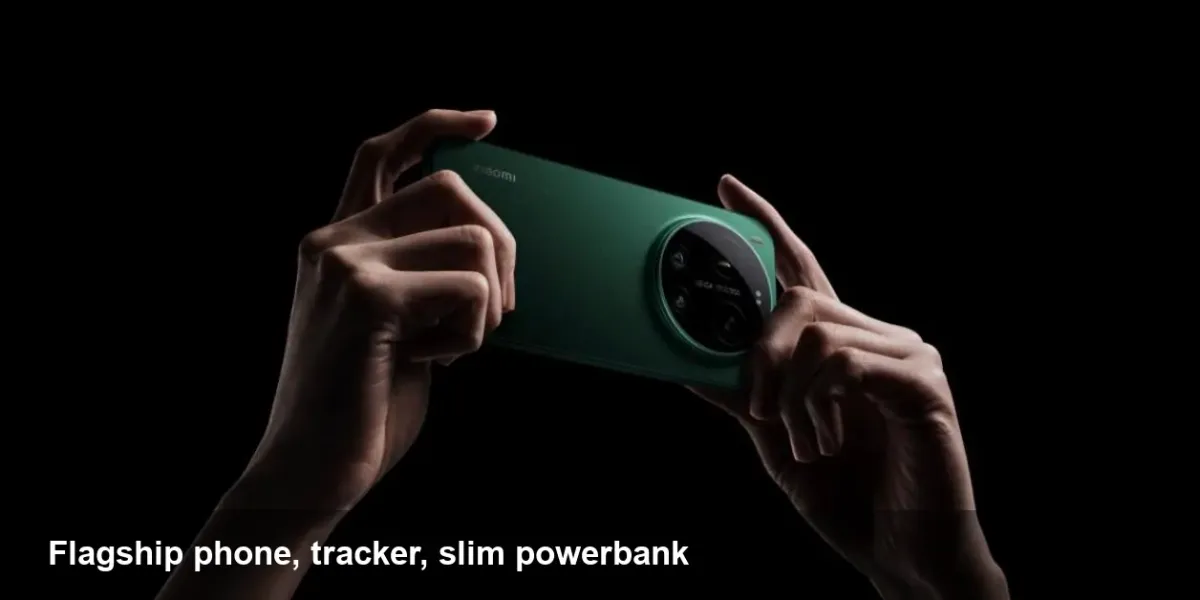
At Mobile World Congress, Xiaomi expanded its hardware ecosystem beyond another flagship phone. The company introduced the Xiaomi 17 Ultra, a small Bluetooth location tag that echoes Apple’s AirTag concept, and an ultra‑slim portable battery. Together they signal Xiaomi’s push to tie premium hardware, everyday accessories, and services into a single user experience.
This article unpacks what those three product types mean in practical terms — for consumers, for developers building services around devices, and for businesses that might leverage Xiaomi’s ecosystem.
Xiaomi in context: why these announcements matter
Xiaomi has long balanced flagship phones that showcase engineering and camera tech with a broad accessory lineup that locks users into its ecosystem. Releasing a high‑end handset alongside low‑cost yet useful peripherals is a pattern: the phone is the engagement hub, while tags and chargers extend daily touchpoints.
From a competitive standpoint, the smartphone market has narrowed to incremental upgrades; accessories are where companies differentiate through ecosystem lock‑in, recurring services, and data‑driven features. Xiaomi’s MWC lineup is an explicit play in that direction.
Xiaomi 17 Ultra — more than another flagship label
The 17 Ultra positions itself as Xiaomi’s premium smartphone play at MWC. For users, expect a device focused on imaging, screen quality and performance that pairs with Xiaomi’s accessory layer. Here are the key practical implications:
- Photography and content creation: Xiaomi’s top‑tier models typically concentrate on multi‑camera systems and software processing. For creators, that means advanced camera features and file formats that may rival other flagship phones for stills and video workflows.
- Device as platform: If you run apps that rely on on‑device compute (computer vision, AR, image processing), a flagship phone with strong silicon and sensors reduces server roundtrips and improves latency.
- Integration with accessories: The 17 Ultra is designed to be the control point for accessories like the tag and powerbank. Expect seamless pairing, battery/firmware status reporting in system settings, and possibly tighter integrations with Xiaomi’s services.
For developers: target the 17 Ultra as a test device if your app needs advanced camera APIs, high refresh displays, or on‑device ML acceleration. For startups building mobile experiences (AR, mobile editing, computational photography), flagship devices shape the upper bound of what you can do.
The tracker: a small product with big implications
Xiaomi’s entry into the item‑tracker category — a small tag designed to help users locate keys, bags or bikes — mirrors the broader market trend that Apple seeded. Practical considerations:
- Uses beyond “find my keys”: Retailers, hotels, or shared‑mobility operators could adopt consumer‑grade tags for low‑cost asset locating. For startups running asset‑heavy operations, these tags are an inexpensive way to pilot real‑world tracking.
- Network effects matter: Apple’s advantage comes from a massive find‑network. Xiaomi’s effectiveness depends on the size and distribution of its device base supporting the find network. The more Xiaomi phones and IoT nodes that participate, the more reliable the tracking becomes in urban areas.
- Privacy and abuse controls: Any tag that helps locate items can be misused for unwanted tracking. Expect regulatory scrutiny and feature controls (alerts for unknown nearby tags, easy disable options) similar to the industry standards introduced elsewhere. These are important for enterprise deployments too: policy and disclosures will be needed if tags are distributed to employees.
For developers and integrators: watch for SDKs or APIs that allow your app to query tag presence, battery status, or geofence events. If Xiaomi exposes hooks, companies can build location‑aware services that avoid reinventing hardware.
Ultra‑slim powerbank: design that enables new workflows
A very thin powerbank looks like a small accessory, but it changes user behavior and logistics:
- Everyday carry becomes lighter: A thinner battery encourages more frequent travel and remote work. For mobile teams and field engineers, a pocketable charger helps keep devices alive during long shifts.
- Distributed backup for devices: Startups deploying small fleets of devices (edge sensors, kiosks, demo units) can use slim batteries as temporary backups during maintenance or transport.
- Cable and connector strategy matters: A slim bank paired with PD fast charging or USB‑C passthrough can turn into a compact power solution for laptops and phones — but manufacturers must balance capacity with thickness.
From the business side, the powerbank is a low‑cost touchpoint that can carry brand loyalty and upsell opportunities (bundled promotions with phones, for example).
Developer and business implications — actionable points
- Consider ecosystem hooks: If Xiaomi publishes APIs or integrates trackers into its device management panel, expect an opportunity to add location features to enterprise apps with minimal hardware integration.
- Physical product pilots: For logistics or retail startups, Xiaomi’s tracker provides a low‑cost pilot option before investing in specialized asset trackers with cellular connectivity.
- Privacy and compliance: Any deployment that uses consumer trackers at scale must plan for consent, opt‑out mechanisms, and employee safety policies — treat tags like data‑collecting devices in audits.
- Accessory bundling and service revenue: Accessories drive service subscriptions (extended warranties, find‑network features, cloud backups). Product teams in startups should consider partnerships or complementary services rather than hardware only.
Three signals worth watching
- Ecosystem density: Xiaomi’s tracker usefulness will rise with the number of devices contributing to its find network. Watch device activations and IoT node rollouts.
- Cross‑platform openness: If Xiaomi exposes developer APIs, it could become an alternative to Apple/Google location services for third‑party apps and enterprise systems.
- Hardware as conversion funnel: Slim power accessories and low‑cost tags are effective on‑ramps for users to enter Xiaomi’s broader service ecosystem. Expect more bundles and promotions linking hardware to subscriptions.
Who wins and who should care
- Consumers who want integrated hardware at different price points will appreciate the convenience and tighter device management.
- Developers building mobile‑first or location‑aware apps should evaluate Xiaomi devices as testbeds and potential service partners.
- Businesses and startups managing physical assets can use consumer trackers for rapid experiments, but should plan for scale and privacy.
Xiaomi’s MWC lineup is less about one hero product and more about knitting everyday hardware into a cohesive platform. If you care about building services that revolve around the phone, the 17 Ultra plus accessory strategy is something to watch closely — both for the short‑term user conveniences and the longer‑term platform effects on hardware, data, and services.