Why MacBook Neo's Hot Start Raises the Stakes for Google

A market shake-up: MacBook Neo sells fast, and that matters
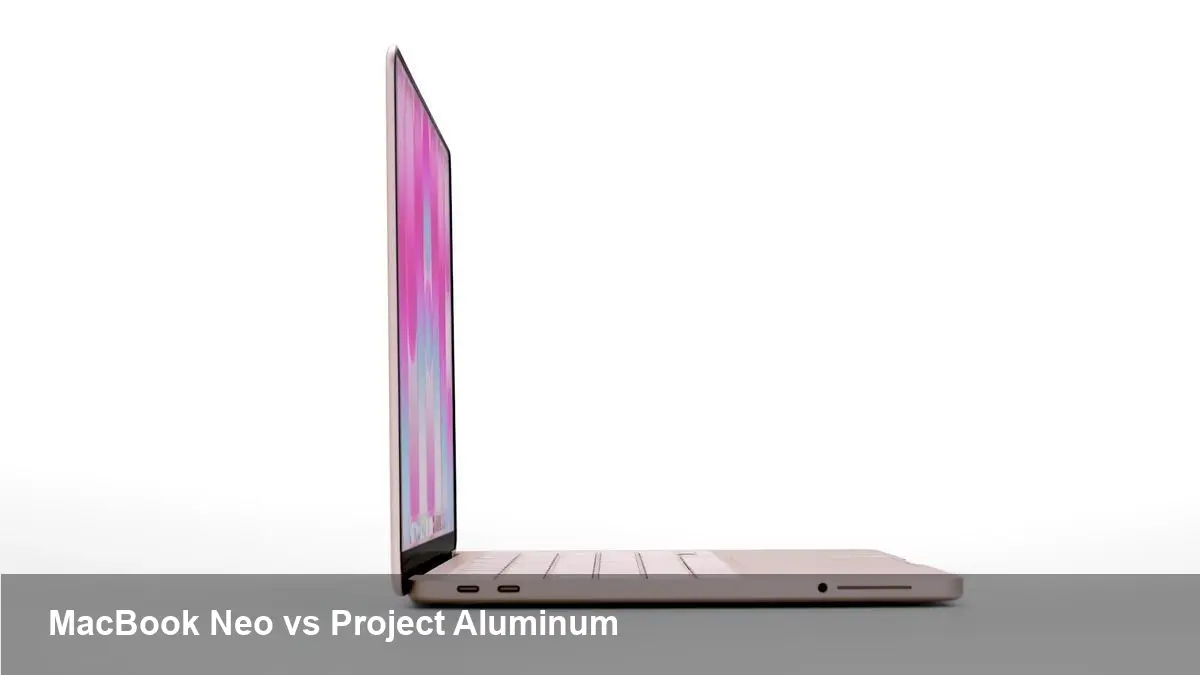
Apple's newest laptop, the MacBook Neo, has reported brisk early sales. That momentum isn't just a win for Apple — it reshapes expectations for premium laptop buyers and forces competitors to sharpen strategies. For Google, which is developing a next-generation high-end Chromebook effort known as Project Aluminum, the Neo's early traction raises the bar for what a modern, premium laptop must deliver.
This piece looks beyond headlines to explain why those sales figures matter for consumers, developers, and IT buyers, then gives practical scenarios and strategic implications.
What the MacBook Neo victory signals
Apple has long benefited from tight hardware-software integration and the performance advantages of Apple Silicon. The MacBook Neo builds on that formula with a fresh design and updated internals aimed at creative professionals, developers, and power users. High initial demand shows there's appetite for a premium, optimized macOS experience that blends battery life, app support, and ecosystem services.
For rivals like Google, which is preparing Project Aluminum to target the higher end of the laptop market, this isn't just competition over specs — it's competition over user expectations. Buyers drawn to the Neo are often evaluating factors beyond raw CPU benchmarks: app compatibility, UX consistency, developer tools, and long-term platform support.
Three realistic buyer scenarios
Scenario 1 — The creative freelancer A freelance video editor needs reliable export times, color-accurate displays, and stable access to industry tools. The MacBook Neo's strong ecosystem (native editing apps, optimized codecs, stable macOS releases) makes it easy to justify the premium. Project Aluminum would need to match not only performance but also a professional app ecosystem or cloud-based workflows to be competitive.
Scenario 2 — Startup engineer choosing developer hardware An early-stage startup must balance developer productivity and capital constraints. MacBook Neo offers a single-vendor experience with reliable tooling, but comes at higher cost. A Project Aluminum device could win here if it delivers similar performance for build/test cycles, excellent Linux and container support, and cost savings that scale.
Scenario 3 — Enterprise fleet modernization An IT team targeting reduced total cost of ownership might favor Chromebooks for manageability. However, when decision-makers see workers asking for MacBook Neos, IT must weigh provisioning complexity, application compatibility (legacy enterprise apps vs web-first ones), and security posture. Project Aluminum's window for enterprise adoption depends on Google proving parity in manageability and in supporting enterprise apps.
What developers and ISVs should be thinking about
- Cross-platform priorities: Given the divergence in hardware and OS preferences, invest in web-first or containerized workflows. Progressive Web Apps (PWAs) and cloud-based dev environments reduce friction across macOS, ChromeOS, and Windows.
- Native tooling: Apple continues to favor native frameworks and toolchains. Developers supporting creative apps or performance-sensitive workloads should test and optimize for Apple Silicon early. At the same time, closely watch how Project Aluminum shapes ChromeOS's Linux/Android integration — that will influence which workloads run natively on premium Chromebooks.
- CI/CD and testing: Add CI targets that reflect both Apple Silicon and high-end ChromeOS hardware emulation where possible. If Project Aluminum takes off, having automated tests that mirror that environment will be a competitive advantage.
Business implications for vendors and resellers
The MacBook Neo's popularity means channel partners must adjust inventory and messaging. For hardware resellers and managed service providers:
- Differentiate services: Premium buyers expect white-glove setup, migration, and ongoing support. Offer managed Apple deployments alongside Chromebooks but emphasize strengths (security, app availability, vertical-specific tooling).
- Pricing and financing: High upfront costs can put buyers off. Leasing, trade-in programs, and device-as-a-service packages make premium hardware more accessible and can be a decisive factor.
For Google and OEM partners, Project Aluminum must be positioned as more than a spec-led answer to Apple. To win mindshare, it will need compelling software experiences, strong app compatibility, and proof points in real-world professional workflows.
Limitations and realistic hurdles for Project Aluminum
- App ecosystem gap: ChromeOS has matured, but it still leans on web and Android apps in many workloads. Convincing pro users to switch means addressing gaps in native pro software or making cloud workflows seamless and performant.
- Perception and brand: Apple’s hardware and services enjoy a perception advantage in some segments. Even if Project Aluminum matches hardware performance, changing buyer mindsets is costly and slow.
- Developer inertia: Many development tools are mature on macOS. Project Aluminum needs to attract tooling vendors and open-source maintainers to ensure parity for command-line and GUI workflows.
Future-forward implications
1) Vigor in the premium laptop segment will force faster innovation: Competition between vertically integrated vendors and platform-first incumbents tends to accelerate both hardware and OS-level features — expect better battery efficiency, thermal designs, and tighter software–hardware cooperation.
2) A stronger ChromeOS premium push could make cloud-native workflows more mainstream: If Project Aluminum can deliver performance while leaning into cloud rendering or virtualization for heavy apps, hybrid local/cloud workflows may become standard in creative and engineering roles.
3) Device choice will increasingly be a strategic decision: Businesses will treat endpoint selection as part of their productivity and hiring strategy. The winner won’t be the one with the best specs alone, but the one that simplifies workflows and reduces friction for users.
Practical recommendations
- If you’re a buyer: Match device choice to the apps and workflows you actually rely on. For heavy native apps, macOS remains a safe bet; for web-first or cost-sensitive deployments, wait to compare Project Aluminum when it ships.
- If you’re a developer or manager: Prioritize cross-platform CI and cloud-based dev environments to keep options open.
- If you’re a vendor: Focus on services and financing options that lower adoption barriers — hardware parity is table stakes.
Competition is healthy for users — it pushes companies to build better machines and smoother software. The MacBook Neo’s early momentum raises expectations; now it’s on Project Aluminum and the rest of the market to respond with compelling alternatives that justify switching costs for professionals and IT teams alike.