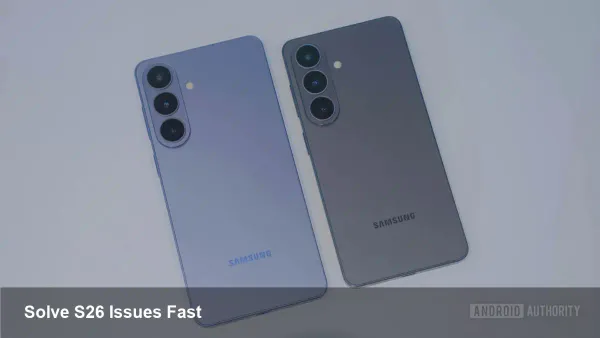
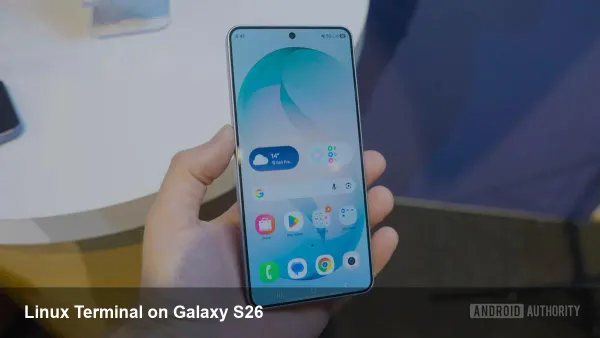
Why Galaxy S26’s preorder surge matters for users and developers

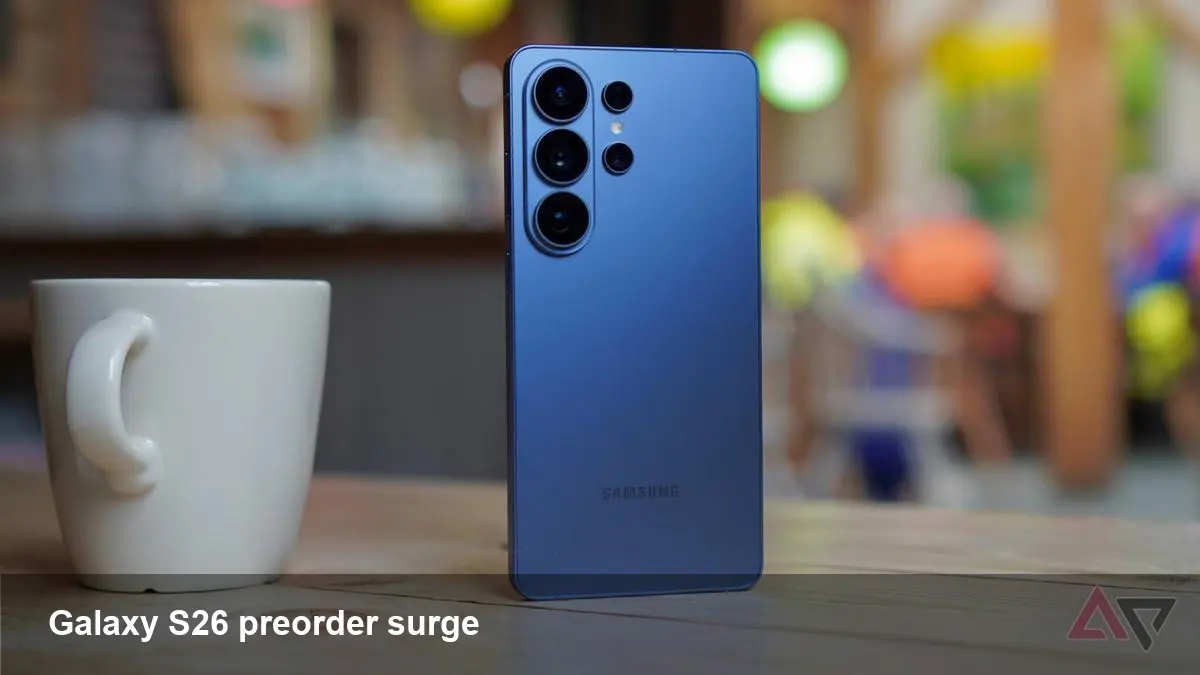
A fast start: record preorders in just over a week
Samsung says the new Galaxy S26 family pulled in an unusually high number of preorders shortly after launch — a signal that demand for premium Android phones remains healthy. The spike isn't just a vanity metric: preorders shape supply chains, carrier promotions, accessory markets and the priorities of app developers.
The context: why the S-series still matters
Samsung’s Galaxy S lineup has anchored the company’s flagship strategy for over a decade. It’s the device family that sets the tone for Android hardware, introduces new sensor and software combinations, and acts as the marquee platform for partners (carriers, accessory makers, and app developers). When Samsung reports a record early order run for the S26, it’s an indicator that their product positioning, marketing, and partner incentives are aligning with consumer interest.
For consumers, the S-series is often where you first see high-end imaging systems, performance silicon, and platform-level software features. For businesses and developers, it’s a useful bellwether: changes in the S-line have downstream effects on the Android ecosystem and commercial strategies.
Why buyers might be upgrading now
Several practical reasons push demand for new flagships even in a year of incremental improvements:
- Perceived generational value: Many buyers delay upgrades until the perceived benefit — better battery life, improved camera, or new software features — justifies the cost. Samsung’s S26 messaging appears to have convinced a meaningful segment of buyers.
- Carrier and trade-in programs: Aggressive carrier deals and trade-in credits reduce the effective price of a flagship, accelerating purchase decisions.
- Accessory ecosystem: New models prompt accessory refreshes (cases, chargers, foldable-compatible peripherals), and buyers who want the latest ecosystem often preorder to be first in line.
- Enterprise refresh cycles: Corporate procurement cycles can drive bulk preorders as IT groups standardize on new devices for employee fleets.
Practical implications for developers
A surge of new flagship owners changes the profile of the Android user base you’re building for. Here are concrete actions app and service teams should consider:
- Revisit performance and battery testing: New flagship hardware often includes improved NPU/ISP blocks and revised power management. Update your benchmarks and CI tests to account for potential differences in background behavior and thermal profiles.
- Optimize for advanced camera features: If the S26 introduces new imaging modes or higher-resolution sensors, update your camera integrations to support those modes through the CameraX/Camera2 APIs. Photo and video apps that enable richer capture options will stand out on launch-day devices.
- Leverage on-device AI: Modern flagships increasingly ship with dedicated AI accelerators. Look for updated SDKs from Samsung or chipset vendors and profile ML models (quantize, use hardware delegates) to reduce latency and energy use.
- Update UI/UX for new form-factor or system gestures: Even subtle system navigation or display tweaks can affect layout or input handling. Ensure compatibility testing covers the S26 system image and default DPI settings.
- Plan marketing to reach early adopters: Users who preorder flagships are often more willing to pay for premium app features or subscriptions. Coordinate targeted campaigns timed with device shipments.
Concrete scenario: imagine a mobile photo-editing app that previously shipped a quarterly update. Ahead of S26 deliveries, the team prioritizes enabling a new RAW capture pipeline and hardware-accelerated noise reduction. The benefit is twofold: better results on launch devices, and marketing copy that appeals to early adopters who care about image quality.
What businesses and carriers should watch
- Inventory and logistics: Carriers and retailers need to align stock and staffing for activation surges. Preorder trends inform how many retail units to send to stores and how many replacement devices to keep on hand.
- Financing and churn: Finance offers that reduce upfront cost make it easier to lock users into 24–36 month carrier plans. Expect the usual churn tradeoffs: attractive initial margins versus longer-term ARPU management.
- Enterprise mobility: IT teams should budget for validation, MDM configuration, and carrier testing. Early-adopter fleets may reveal subtle device management gaps that require rapid policy tweaks.
- Accessory makers and repair shops: Higher preorder volumes mean early accessory sales spikes and increased demand for warranty and out-of-warranty repairs. Rapid availability of screen protectors and cases is a small but important revenue stream.
Risks and limitations to consider
A big preorder number is positive, but it’s not a guarantee of long-term success. Watch for:
- Fulfillment bottlenecks: High preorder volume can lead to shipping delays that dampen post-launch sentiment.
- Software hiccups: New system features or customizations may introduce bugs that only surface at scale.
- Market saturation: Premium phone growth is constrained by overall replacement frequency. Sustained revenue depends on services and accessories, not just device sales.
Three forward-looking implications
- Faster monetization of hardware-driven features: As more users adopt the latest hardware, app developers can justify investing in features that require recent sensors or accelerators — and monetize them (premium filters, pro camera modes).
- Greater emphasis on post-sale services: With hardware margins under pressure, handset makers and carriers will push services (cloud storage, subscriptions) to boost lifetime value — creating partnership opportunities for third-party apps.
- Pressure on QA and support operations: Rapid handset adoption amplifies the need for robust QA on new device builds, and for scalable support flows that can handle activation and migration issues on day one.
What to do if you’re planning to buy or build for the S26
- If you’re buying: Compare carrier offers and trade-in deals; preorder only if you value being first or need accessories timed with device arrival. Otherwise, check user reports during the first week of shipments.
- If you’re developing: Prioritize testing on the S26 system image, update camera and ML pipelines, and prepare targeted marketing for early adopters.
A headline around record preorders is an invitation to look beyond the numbers. For consumers it means momentum and choice; for developers and businesses it signals where to allocate engineering and commercial attention over the next product cycle.