Why Apple's low-cost MacBook in playful colors matters

A new color strategy for Apple's affordable laptop
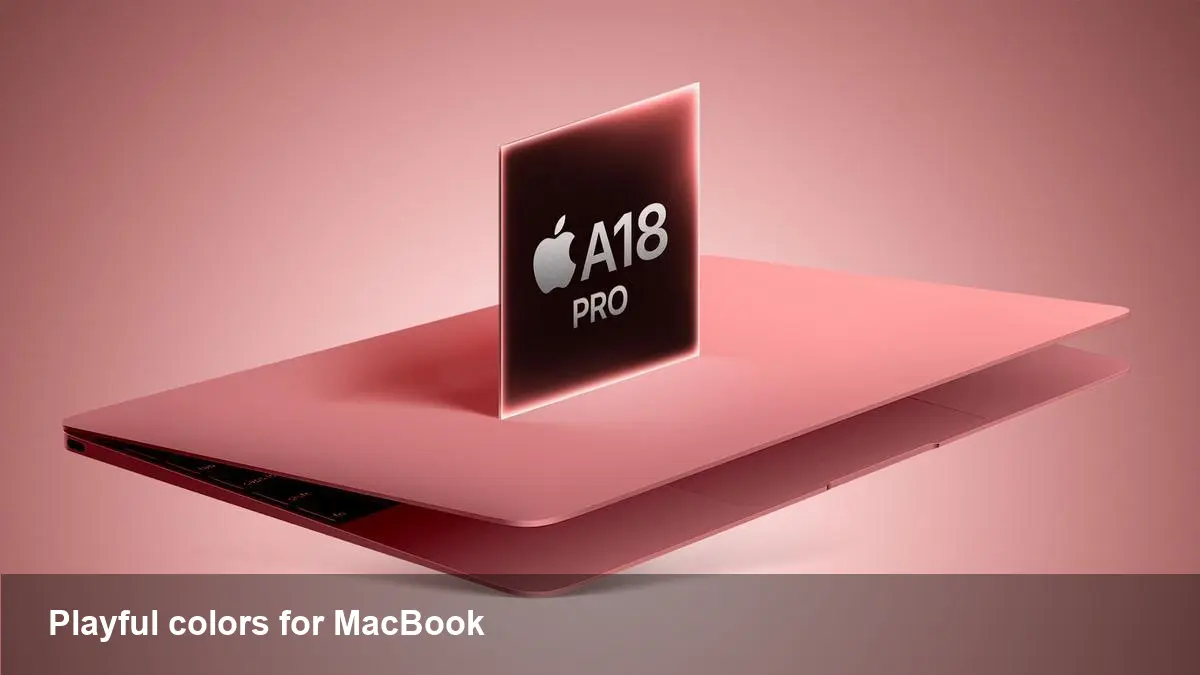
Apple is reportedly experimenting with a lower-priced MacBook that departs from the conservative metal finishes we associates with its laptops. According to Bloomberg reporter Mark Gurman in his Power On newsletter, the company has tested a palette that includes light yellow, light green, blue, pink, plus classic silver and darker gray. Gurman notes it's unlikely every hue will reach production, but the experiments signal a deliberate push toward more expressive device options.
This is more than a cosmetic tweak. Color choices affect product positioning, buying behavior, procurement for schools and businesses, and even how software and accessories are designed around a device.
Why Apple would add brighter colors to a low-cost MacBook
Apple has a long track record of using color to differentiate entry-level products: think back to the iMacs that reignited consumer interest with bold translucent shells, or the recent iPhone and iPad color lines. For an inexpensive MacBook, color can:
- Lower the barrier to purchase for younger buyers and first-time Mac users by signaling fun and personalization.
- Help educational buyers and schools quickly identify devices allocated to different classes or cohorts.
- Create a visual gap between the premium MacBook Pro line and an approachable consumer laptop.
Offering pastel or playful tones gives Apple another lever to expand its audience without changing core hardware specs.
Real-world scenarios: how color changes buyer behavior
- Students and first-time buyers: A tasteful pastel finish can make a MacBook feel less corporate and more like a personal gadget—useful when Apple is chasing buyers who might otherwise choose Chromebooks or Windows laptops for affordability.
- Classroom management: IT admins can standardize different colors for different grades, classrooms, or loaner pools. That simplifies inventory tracking and reduces mix-ups during deployments.
- Brand-conscious consumers: Color becomes a part of the unboxing and social-media moment. A pink or blue MacBook is more likely to appear in lifestyle photos and influencer shots than a plain gray one.
- Retail merchandising: Retail stores can create eye-catching displays that highlight the color variants, potentially increasing impulse buys.
These patterns played out previously with colorful iPhone and iMac introductions; Apple appears to be applying the same thinking to an entry-level laptop.
What this means for developers and product teams
Color variants affect more than the factory finish. Developers, designers and marketers should consider several practical implications:
- UI theming and marketing assets: Product screenshots, teaser videos and packaging photography may need subtle adjustments for each colorway so that contrast and readability remain strong in marketing materials.
- Accessibility and contrast testing: Some case colors and keyboard/trackpad contrasts could change perceived readability. Designers should verify that default wallpapers, icons and system UI remain legible, particularly under low-light or high-glare conditions.
- Accessory ecosystem: Cases, sleeves and stickers will become a bigger upsell opportunity. Accessory designers will need to align color palettes or deliberately contrast them to create coordinated bundles.
- QA and photography: Product QA must include color-accurate photos and screen tests to ensure that color reproduction on displays and product images is consistent with expectations.
For app developers this doesn't change core functionality, but it nudges product teams to think about brand presentation and accessibility across more visible, consumer-facing hardware.
Manufacturing and supply-chain considerations
Introducing more color options sounds simple, but it adds complexity:
- Tooling and paint processes: New finishes often require additional paint lines, curing workflows or surface treatments. That can increase unit cost or minimum order quantities.
- Inventory fragmentation: Each new color creates a separate SKU. Apple will need to balance popular and niche colors to avoid oversupply.
- Quality control: Color fidelity and consistency across production runs must be tightly controlled to avoid customer returns. Even small variances in shade or sheen can hurt perception.
Apple has the scale and supplier relationships to manage these challenges, but they still translate into trade-offs between variety and cost.
Limitations and what to watch for
Bloomberg’s coverage stressed that not all tested colors are guaranteed to ship. Apple commonly prototypes many options during development and narrows the selection before launch. Expect a smaller curated set to appear in stores—likely two to four shades that align with Apple’s broader product palette.
Timing and price position are also open questions. If this MacBook targets education and broader consumer markets, it will need to stay competitive against Chromebooks and entry-level Windows laptops on both price and battery life, not just looks.
Three implications for the next few years
- Personalization as differentiation: Hardware color and finish will remain an active lever for companies to create segments within a product family—especially at lower price points where hardware specs converge.
- Accessory and services tie-ins: More colors increase opportunities for bundled accessories, custom skins, and even extended-reality marketing campaigns showcasing devices in lifestyle contexts.
- Expectations for inclusivity and accessibility: As devices become more stylized, buyers and regulators will be more vocal about accessibility. Apple and third parties should proactively ensure color choices don’t undermine legibility or usability.
Should you wait for the colored MacBook?
If having a distinctive look matters to you—and you're shopping in the market for an affordable MacBook—it's reasonable to wait for Apple's formal announcement. But if you need a laptop immediately, current MacBook Air and used/refurbished options remain strong choices. For schools and organizations, the potential for color-coded fleets could simplify logistics, but confirm warranty, repair, and bulk-pricing details before planning a large deployment.
Apple’s experiments with playful finishes are a reminder that hardware design still matters. Color can change how people feel about a device and how they use it, and that alone can shift purchase decisions for students, first-time Mac owners and lifestyle buyers.