When the Belkin Charging Case Pro for Switch 2 Makes Sense

Why this accessory matters now
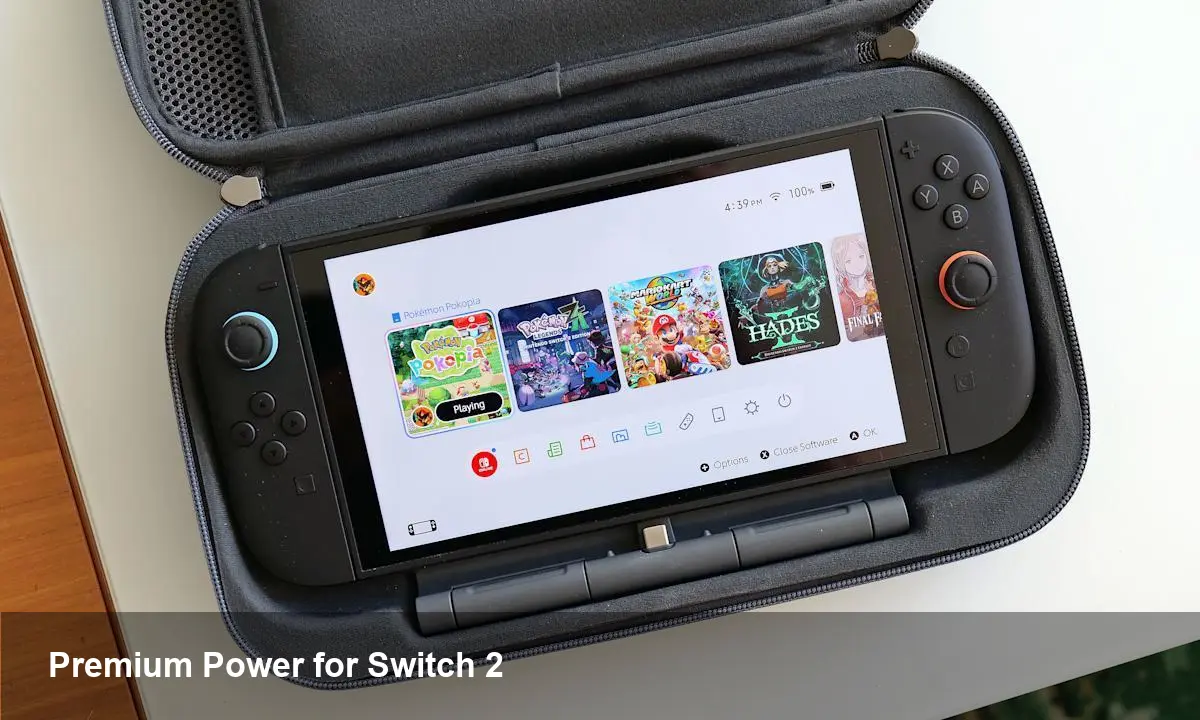
Belkin's Charging Case Pro for Switch 2 arrives at a moment when portability and battery life are the primary constraints on console usage outside the living room. As players treat the Switch ecosystem like a true mobile platform, accessories that extend playtime, improve convenience, and protect the hardware become decision points rather than impulse buys.
Belkin is an established third‑party accessory maker with a long track record of building premium add‑ons for phones, laptops, and consoles. The Charging Case Pro represents a deliberate push upmarket from the company’s baseline charging cases: it’s presented as a more refined, flexible power solution for the upcoming Switch 2 hardware.
This article doesn’t rehash spec lists. Instead, it looks at how that extra polish translates to real user value, when the roughly $30 premium might be justified, and what the product signals for accessory makers and Nintendo’s ecosystem.
The core proposition in everyday use
At its simplest the Belkin Charging Case Pro for Switch 2 promises two things: convenience and confidence. Convenience comes from integrating portable power into a carrying solution so you don’t need to juggle a power bank, cables, and a case. Confidence is about having dependable top‑up power when you’re away from a wall outlet.
For different users that value looks different:
- The commuter: One device to grab on the way out reduces friction. A single case that stores the console and keeps it charged during a commute or flight is noticeably more convenient than a separate battery and pouch.
- The tournament player: Quick, reliable top‑ups between matches matter. A tidy charging workflow reduces the chance of missed games or phone calls for reschedule notices.
- The family user: If multiple people share a single Switch 2 around the house, a protective case with built‑in charging reduces wear and simplifies storage.
The pro model is pitched at buyers who want lower friction and a more polished fit-and-finish than the cheaper option, and who are comfortable paying roughly $30 extra for those benefits.
A few practical scenarios that illustrate value
- Weekend trip: You’re traveling light without a dock or TV. The case lets you top up on the train, and because the case is engineered for the Switch 2 form factor, it does so without wrestling with cables or temporary setups.
- Airport layover: Pressed for time and power outlets, you use the case to provide a quick boost between gates. The less you need to manage cables, the less chance you lose or forget gear.
- Desk switching: If you move your console between rooms and don’t want to leave a charger in every spot, the case becomes a place to store a recharge-ready device so you can grab-and-go.
These examples aren’t just convenience narratives: they describe how better ergonomics and integration can change behavior. People are more likely to use power‑management accessories when they feel seamless.
Where the premium matters — and where it doesn’t
The pro variant typically competes on materials, fit, and small but meaningful design decisions. That can include slimmer profiles, higher‑quality fabrics, or a better latch and hinge design. For many users the standard charging case already achieves its core goal: extra battery and protection. The pro model adds refinements that are valuable if you:
- Travel often and value compact, well‑made gear
- Treat your console as a primary portable device and want best‑in‑class accessories
- Care about aesthetics and the feel of premium materials
If you only occasionally need extra runtime or you’re cost‑sensitive, the base model will likely cover your needs with minimal tradeoffs.
Business and developer implications
Accessories like the Charging Case Pro are useful signalers. For Belkin, releasing a higher‑end model tells retailers and consumers that there’s a market for premium Switch 2 peripherals — not just low‑cost, functional plastic. That has a few knock‑on effects:
- Retail mix: Stores and online marketplaces can carry multiple tiers for the same accessory, increasing average order value and offering upsell opportunities.
- Design standards: When major accessory brands push premium build quality, competitors must match or differentiate in features (faster charging, modular add‑ons) to compete.
- Indie hardware makers: Smaller manufacturers can see a path to profit by refining user experience rather than only competing on price.
For developers of games and services, better third‑party battery management alters usage patterns. Longer, more consistent play sessions on public transit or during travel might increase engagement metrics for mobile‑focused titles, which in turn could shift how studios plan playtime economics and in‑game session length.
Trade-offs to consider
- Price vs. necessity: Paying a premium for materials and polish is subjective. If a charging case’s main job is power, the cheaper option can be perfectly reasonable. Spend the extra only if the refinements matter to your daily workflow.
- Size and weight: Premium materials or bigger batteries can increase bulk. Consider how much portability you’re willing to trade for additional runtime.
- Ecosystem compatibility: Always verify that the case is designed for the Switch 2’s dimensions and charging protocol. Misfits and noncompliant chargers can damage devices or reduce charging efficiency.
What this suggests about the market going forward
1) Premium accessories will grow as consoles become more mobile. As manufacturers like Nintendo iterate on handheld hardware, accessory makers will follow with tiered product lines: budget, mainstream, and premium.
2) Integration wins. Users prefer fewer points of friction. Accessories that combine protection, charging, and seamless storage will outcompete single‑purpose add‑ons for everyday users.
3) Service and warranty will matter more. When users pay a premium, they expect better post‑purchase support and longevity. Brands that back their higher‑end accessories with reliable warranties and clear replacement paths win loyalty.
Buying advice
If your usage pattern is heavily mobile — long commutes, frequent travel, or a need for a tidy desk/room setup — the Belkin Charging Case Pro for Switch 2 is worth considering for the extra convenience and finish it brings. If your play is predominantly docked at home or you’re sensitive to cost, the standard case will likely be a smarter buy.
Ultimately this is a common accessories decision: weigh how much the reduced friction and improved materials will be used. For players who carry their console daily, the pro model can quickly justify its price by saving time and small annoyances that add up.
Have a particular use case? I can help compare the pro and base models against specific travel patterns or battery demands.