When $399 for a Galaxy S26 Ultra Makes Sense

Why a $399 Galaxy S26 Ultra is headline-worthy
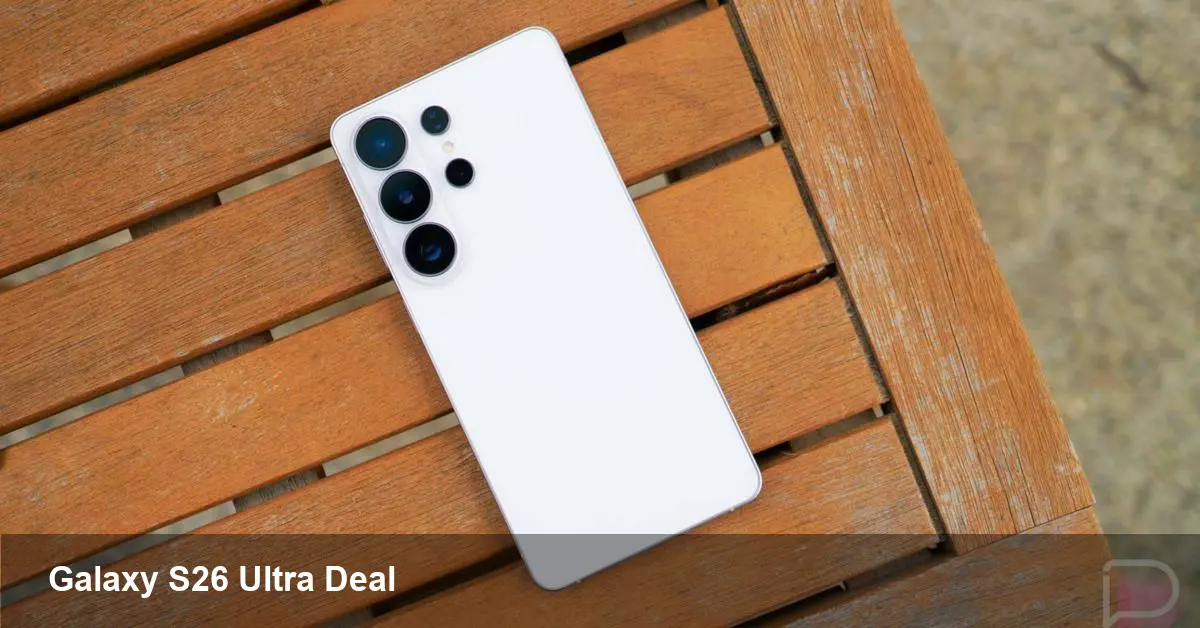
Samsung’s Galaxy S26 Ultra is positioned as a top-tier Android flagship, so seeing it offered for as little as $399 during pre-order promotions turns heads. Those short-term offers are designed to accelerate early adoption and lock buyers into carrier or manufacturer ecosystems. For anyone weighing whether to jump now, the offer is attractive—but it isn’t a straight cut-and-dry win for every buyer.
This article walks through how that price typically appears, who benefits most, and the real-world trade-offs you should check before hitting the buy button.
How these $399 prices usually happen
Manufacturers and carriers combine several levers to produce headline prices: trade-in credits, carrier activation bonuses, device-financing discounts, and bundle incentives (accessories, subscriptions, or partner promotions). The $399 figure is frequently the net price after applying all eligible credits over time, not always the out-the-door amount on day one.
Common mechanics:
- Trade-in: Substantial discounts require one or more qualifying devices to be traded in. The device condition and model matter.
- Carrier credits: Monthly bill credits over a 24–36 month financing term can lower the effective price.
- Activation/switch promos: Port-in or new-line bonuses are still commonly used to subsidize high-end phones.
- Manufacturer bundles: Samsung often pairs pre-orders with accessories or subscription trials that increase perceived value.
Read the fine print: some offers require you to remain with the carrier for the entire credit period or to keep the financing account in good standing, and there may be restocking and return rules that differ from standard purchases.
Who should seriously consider the pre-order deal
- Upgraders with a qualifying trade-in: If you have a recent Samsung device (or another high-value flagship) and the trade-in program accepts it at full value, a $399 net price can be a genuine bargain.
- New carrier switchers: If you were already planning to switch carriers and can combine port-in credits with the promo, the timing aligns well.
- Early adopters who value bundled extras: If the pre-order bundles meaningful extras (S Pen accessories, storage bump, streaming credits), the total package can be more compelling than the raw price.
Who should pause:
- Casual users who don’t need flagship performance or camera capabilities—midrange phones now close many of the practical gaps.
- Buyers who can’t or won’t meet trade-in or carrier requirements; the instant price without credits can still be near standard flagship retail.
Three realistic buyer scenarios
Scenario A — “I have an S22 and want the upgrade”: You trade in an S22 in good condition and take a 24-month financing plan with the carrier. Monthly credits reduce the financed balance. After credits you end up paying the $399 net. This works well if you plan to stay on the carrier and use the financing.
Scenario B — “I’m switching carriers for better coverage”: Port-in offers stack with the pre-order. You pay a small initial amount and receive monthly bill credits; you get the phone at the $399-equivalent while also moving to a carrier you prefer. Important: verify early termination or credit reversal policies if you change plans again.
Scenario C — “I want a clean, unlocked device”: If you prefer an unlocked phone bought directly from Samsung with no carrier obligations, the $399 price is less likely. Those offers are usually specific to carrier-financed purchases or conditional trade-ins.
Practical checklist before buying
- Confirm whether the $399 is a final up-front price or a net price after credits.
- Read the trade-in valuation table and how device condition affects credit.
- Understand financing term length and what happens if you pay off early or cancel service.
- Check device return windows and whether any bundled extras are refundable.
- Compare unlocked retail pricing versus carrier offers—the unlocked route can be simpler for frequent travelers or frequent switchers.
What this means for developers and businesses
- App testing: A surge in early adopters with the latest hardware means developers should prioritize testing apps on the S26 Ultra during the first few months. Camera APIs, high-refresh displays, and any new OS-level features should be validated to ensure the user experience matches the flagship hardware.
- Carrier-centered sales: Businesses that manage device fleets should be cautious about carrier-tied financing offers—while they reduce short-term cost, they can complicate device management and resale if restrictions apply.
- Secondary market and refurb pricing: Aggressive early discounts compress the resale value of previous-generation devices and can shift the economics for refurbishment shops and trade-in programs.
Limitations and caveats to remember
- Conditional pricing: If the $399 depends on trade-in or carrier credits, canceling service or returning the trade-in in poor condition can trigger chargebacks.
- Short promotional windows: Pre-order offers are time-limited. If you miss the window, the price may revert to standard MSRP or smaller discounts.
- Long-term value: Flagship features depreciate quickly in perceived value as midrange phones adopt many capabilities, so think about how long you’ll keep the device.
Three implications for the next few years
- Flagship discounting will arrive earlier: Expect bigger, more aggressive pre-order and launch discounts as manufacturers compete to capture early market share and lock users into services.
- Trade-in programs will get more sophisticated: We’ll see tighter automation and condition verification to reduce fraud and better match secondary-market values.
- Carrier reliance vs. unlocked buying: Pressure from consumers who travel or switch frequently will push manufacturers to make unlocked pricing more competitive, or provide clearer portability terms.
If you’re evaluating the $399 pre-order for a Galaxy S26 Ultra, map the promotional mechanics to your real behavior: will you keep the carrier for the financing term, does your device qualify for trade-in, and do the bundled extras matter to you? If the answers align, the deal can be a low-cost way into a top-tier handset. If not, compare unlocked pricing and consider waiting for plain discounts once the early window closes.
Ultimately, these launch-era deals reward people who plan ahead—make the math match your usage and commitments before pulling the trigger.