What Meta’s Malibu 2 Smartwatch Means for Wearables

Why Meta entering smartwatches matters
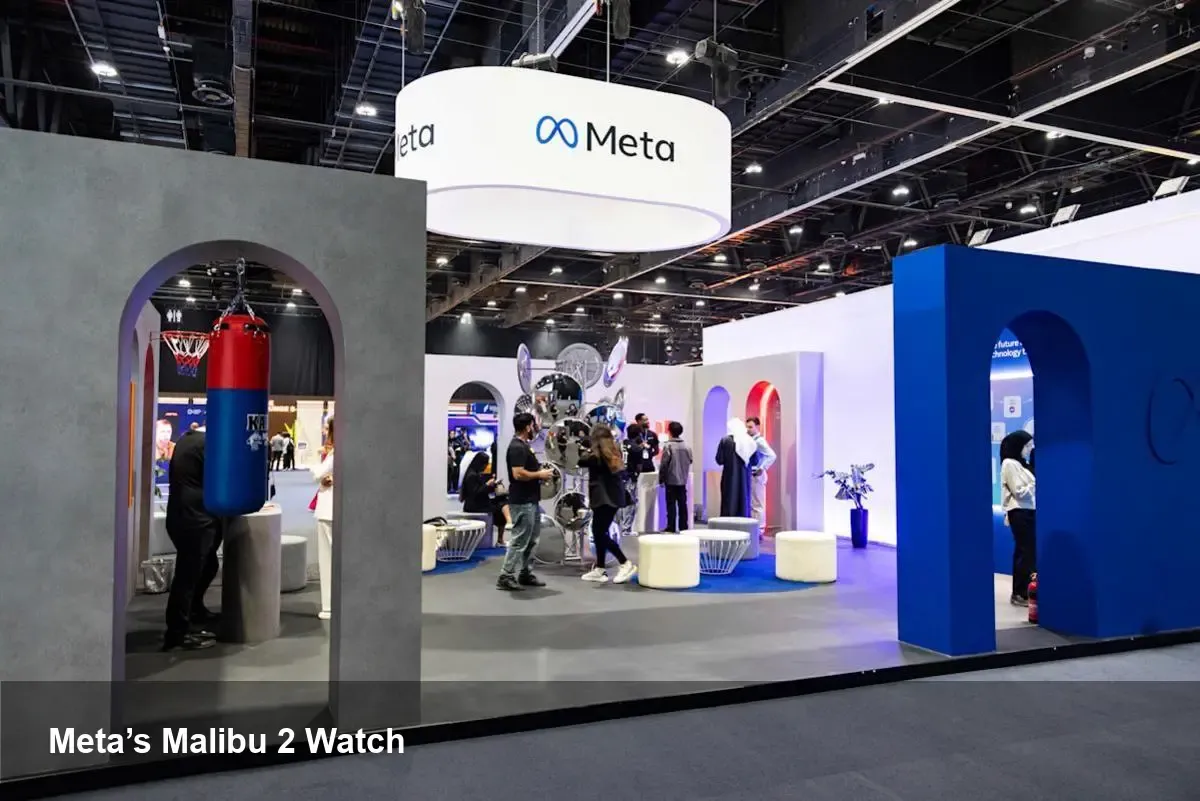
Reports indicate Meta Platforms has revived an internal watch project — currently referred to as "Malibu 2" — and is reportedly aiming to ship a device this year. That matters because Meta already has experience pushing hardware boundaries (think Oculus/Quest and Ray-Ban Stories). A Meta smartwatch could become more than another fitness tracker: it could be an on‑wrist extension of the social and augmented‑reality roadmap the company has been building for years.
A quick background on Meta and hardware
Meta isn't new to hardware. Oculus changed the conversation about consumer VR, and the company has experimented with smart glasses (Ray‑Ban Stories) and home devices (Portal). These products reveal two consistent ambitions: building platforms that keep people within Meta's ecosystem, and gathering consumer signals that feed its services and future AR ambitions. A smartwatch follows logically — small, personal, sensor-rich, and always with you.
What we can reasonably expect from "Malibu 2"
Because official specs are scarce, think in terms of plausible design and strategic goals rather than exact features. A Meta watch will likely include:
- Basic health and activity sensors (heart rate, accelerometer) and possibly more advanced biosensing later.
- Cellular connectivity and standalone messaging to reduce dependence on a tethered phone.
- Tight integration with Meta services: messaging, notifications, and media controls for Facebook/Instagram/Messenger/WhatsApp.
- Software designed around glanceable interactions and social features rather than deep third‑party app ecosystems initially.
Expect tradeoffs: battery life limits how ambitious continuous sensing can be, and Meta may choose to prioritize social interactions and contextual experiences over a huge app store at launch.
Real-world user scenarios
- Socially contextual notifications: imagine a watch that surfaces not just messages, but contextual prompts — event reminders tied to a Facebook RSVP, or a quick reaction control for an Instagram Live. Those are low‑effort interactions that keep users engaged.
- Lightweight communication: for users who want to stay reachable without pulling out their phone, a Meta watch with cellular and native messaging integration could be a strong alternative.
- Fitness plus social motivation: fitness tracking is table stakes for wearables. Meta could differentiate by fusing activity data with social incentives — group challenges among friends, shared streaks, or in‑app highlights.
- Companion to AR glasses and VR: a watch could be the discreet controller or status surface for future AR devices, relaying notifications, biometric context, or simple input to reduce friction in mixed‑reality interactions.
What developers should think about
If Meta launches a watch, developers will face a few early decisions:
- Platform openness: Will Meta provide a rich SDK and third‑party app support, or keep the experience tightly curated? The answer will determine whether independent devs see the watch as an opportunity or a closed system.
- Data and privacy models: Developers must plan for stricter consent flows and transparent data use, especially around health signals. Expect regulatory scrutiny and user sensitivity.
- Multidevice experiences: Successful watch apps often act as companions to phone/desktop apps. Developers should design for synchronized state, low bandwidth transactions, and session handoffs between devices.
- Lightweight UIs and energy budgets: Watch apps need pared‑down interactions. Prioritize glanceability, actionable notifications, and small, fast workflows.
Business implications for Meta and competitors
- Ecosystem expansion: A smartwatch gives Meta another hardware foothold to integrate services, potentially increasing daily engagement across its apps.
- Data and ad opportunities: Wearables generate behavioral signals that could be valuable for personalization, but monetization will be balanced against privacy concerns that have dogged Meta before.
- Competitive pressure: Apple, Google (and partners), and Samsung dominate wearables today. Meta's strength is in social products, not chip design or OS maturity. Expect incremental competition: Meta may compete on social features and price rather than trying to unseat Apple on health metrics or developer ecosystems immediately.
Pros, cons, and practical limitations
Pros:
- Deep integration with social apps could create unique on‑wrist experiences.
- Tight hardware‑software control may produce polished interactions early on.
- The device could become a strategic companion to future AR/VR products.
Cons:
- Trust and privacy: Meta faces skepticism about how sensor data will be used and shared.
- Platform maturity: Building a robust wearables OS and developer platform is hard and time‑consuming.
- Differentiation challenges: Without standout health features or broad app support, convincing users to switch from Apple Watch or Samsung may be tough.
Three implications for the next 2–3 years
1) Wearables will become more social: If Meta focuses on shareable, community‑driven features, expect other players to add similar social layers to their devices.
2) Multidevice ecosystems will accelerate: Meta's watch could be designed as part of a stack that includes VR and AR hardware, pushing the industry toward more tightly coupled device families.
3) Privacy regulation will shape product choices: Any health or location features tied to social data will attract regulators and privacy advocates, pushing Meta (and competitors) to adopt clearer consent and data‑use practices.
How to prepare (for developers and product teams)
- For developers: start prototyping companion experiences that are low latency and privacy‑first. Think microinteractions — reaction buttons, quick replies, and live status updates — rather than full‑blown apps.
- For product teams and founders: watch for openings where social context improves utility (events, group fitness, shared itineraries). Consider partnerships that can accelerate hardware credibility, like optics or sensor vendors.
Meta's reported push toward a consumer smartwatch under the "Malibu 2" codename is a strategic next step in its hardware journey. Whether it becomes a must‑have or a niche companion will depend on how well Meta addresses privacy, developer needs, and meaningful on‑wrist use cases. Either way, a Meta watch will push incumbents to rethink how social features map to tiny screens — and that could change the way we use wearables in daily life.