What Huawei’s Pura X Max Leak Means for Users and Developers

A quick primer: who and what
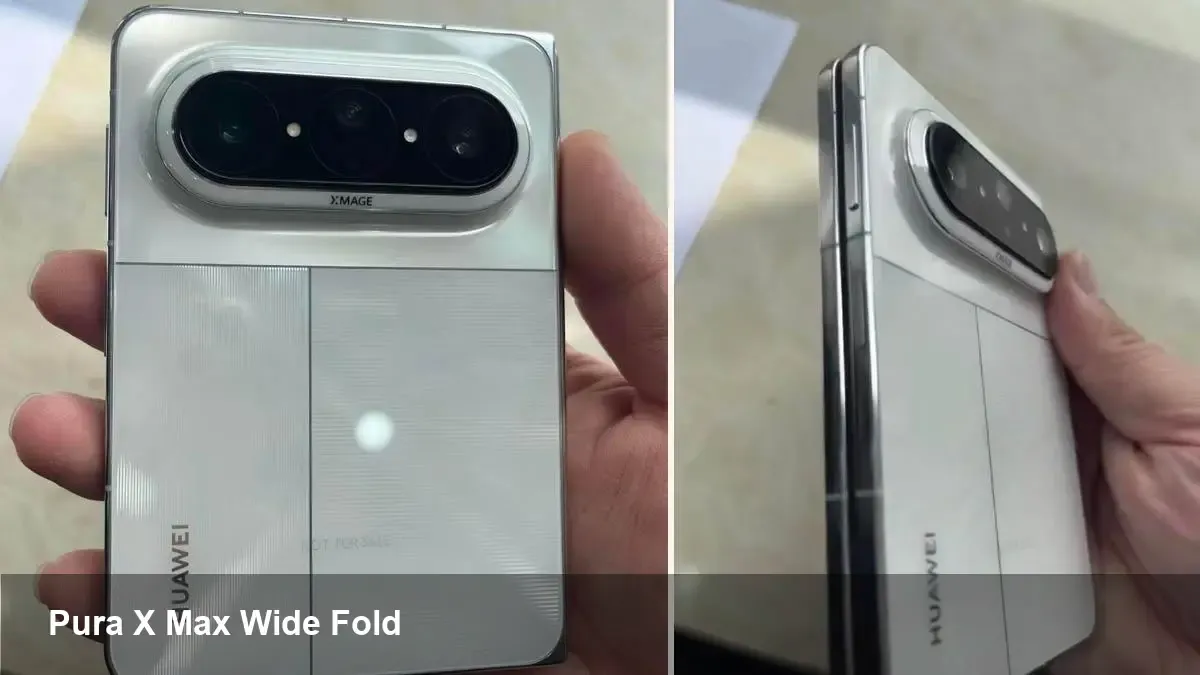
Huawei has scheduled a product reveal for April 20 and the Pura X Max — a wide-folding handset — has had its look teased publicly already. Now, live photos shared by a Weibo tipster have circulated online, giving us a clearer view of the device ahead of the official presentation.
For anyone tracking foldables, this is more than mere gadget voyeurism. Huawei has positioned itself as one of the major players betting on folding-display phones as a path to differentiate hardware. Recent Huawei phones typically ship with HarmonyOS and rely on the company's app ecosystem and services in markets where Google Mobile Services are limited. The Pura X Max will be watched closely not just for its hardware but for how it advances Huawei’s foldable play and developer tooling.
What the leaked images reveal (and what they don’t)
Photos from the Weibo leak emphasize the Pura X Max's wide-folding form factor. From the exterior, you can make out a broad outer display and a seam along the hinge — details that confirm the unconventional, tablet-like canvas when unfolded. Earlier official teasers already hinted at the general silhouette; the live shots add real-world context: how thick it looks in the hand, the camera module’s size, and how it sits when partially folded.
What we still don’t know from the leak: exact display sizes, internal hardware specifications, battery capacities, pricing, and availability outside China. Those details will come with Huawei’s April 20 event.
Everyday use cases that benefit from a wider fold
- Multitasking: A wider inner display is ideal for running two apps side by side — think messaging on one side and document editing on the other. For professionals who often juggle email, spreadsheets and reference material, the extra horizontal space reduces context switching.
- Media and presentations: Video editing timelines, slide previews, and gallery apps gain more useful surface area. A sales rep could preview slides on the internal screen while managing notes or a chat on the external panel.
- Creative workflows: Photo retouching, note taking, and light sketching work better with a broader canvas and can feel closer to a compact tablet experience while staying pocketable when folded.
Concrete example: a journalist on deadline could draft a story in a split-screen editor while keeping sources and scorecards open in the other pane — reducing back-and-forth between windows and speeding up publish time.
What developers and product teams should consider
Foldables introduce different interaction models and state transitions that apps must handle gracefully. Whether the Pura X Max runs HarmonyOS or an Android-compatible flavor, developers should think beyond a single screen size.
- Responsive layouts: Use flexible layouts that adapt to changes in aspect ratio and screen continuity. Avoid fixed-width components and prefer percentage- or constraint-based positioning.
- State continuity: Design for mid-interaction configuration changes — an app might expand from a narrow external display to a wide internal one while a user is typing, reading, or watching video. Preserve unsaved work and UI state across those transitions.
- Multi-window and drag-and-drop: If your app supports multitasking, test split-screen modes and interactions like drag-and-drop between windows. Productivity apps gain the most by making these behaviors intuitive.
- Touch targets and edge gestures: Wider displays can change how users reach UI elements. Place frequently used controls within comfortable reach zones and ensure gestures near the hinge or edges don’t conflict with system-level navigation.
For teams shipping SDKs or mobile web experiences, maintain flexible APIs and responsive breakpoints. Testing on an emulator is useful, but nothing replaces trials on a physical device — especially for hinge behavior and light reflection around the fold.
Business and ecosystem implications
Huawei’s continued investment in foldables signals confidence in a premium niche. For app marketplaces and enterprise buyers, that matters in two ways:
1) App distribution and monetization: Huawei’s ecosystem (including AppGallery) will be central for reach in core markets. Developers eyeing the Pura X Max should ensure compatibility and consider optimizing featured listing visuals and screenshots that showcase foldable UX.
2) Enterprise device strategies: Companies procuring devices for field teams should evaluate foldables for job roles that benefit from a larger display (inspections, sales demos, on-site note-taking). Total cost of ownership, durability, and support contracts will weigh heavily here.
Advantages and practical caveats
Advantages:
- A large, portable workspace in a single device.
- Better multitasking and productivity potential versus traditional phones.
- A distinctive design that differentiates Huawei in flagship segments.
Caveats:
- App support remains uneven; many third-party apps still assume a single, fixed screen size.
- Durability concerns around the hinge and display crease persist for foldables generally.
- Accessories like protective cases and screen protectors lag behind standard phones in availability and variety.
What to test if you're considering a Pura X Max for work
- App continuity: Open critical apps, then fold and unfold the device mid-task. Verify state persistence and layout adaptation.
- Multitasking: Run two or three apps split across the screen and assess memory management and switching latency.
- Camera and media: Try portrait and landscape capture across folded and unfolded states to see how the camera UI adapts.
- Durability checks: If possible, inspect the hinge action and feel for creaking or resistance; retailers sometimes allow in-person handling before purchase.
A short look ahead
Leaked images won’t replace the full spec sheet, but they help developers, buyers, and enthusiasts form expectations. If Huawei’s April 20 launch follows past patterns, we’ll get complete hardware and software details then — and the community will start publishing hands-on compatibility notes soon after.
For teams building mobile experiences, the Pura X Max leak is a reminder: foldables aren’t a fringe hardware category anymore. They’re shaping how apps are designed for larger, convertible canvases. Preparing your product for adaptive layouts and continuity is a practical investment no matter which foldable wins mainstream mindshare.
Keep an eye on the official announcement for the full spec rundown, but in the meantime, treat the leak as an early planning signal: foldable-ready UX and resilient app states will be table stakes for premium mobile experiences.