Ultrahuman Ring Pro: a redesigned smart ring for serious health tracking

A sharper play for the wearables race
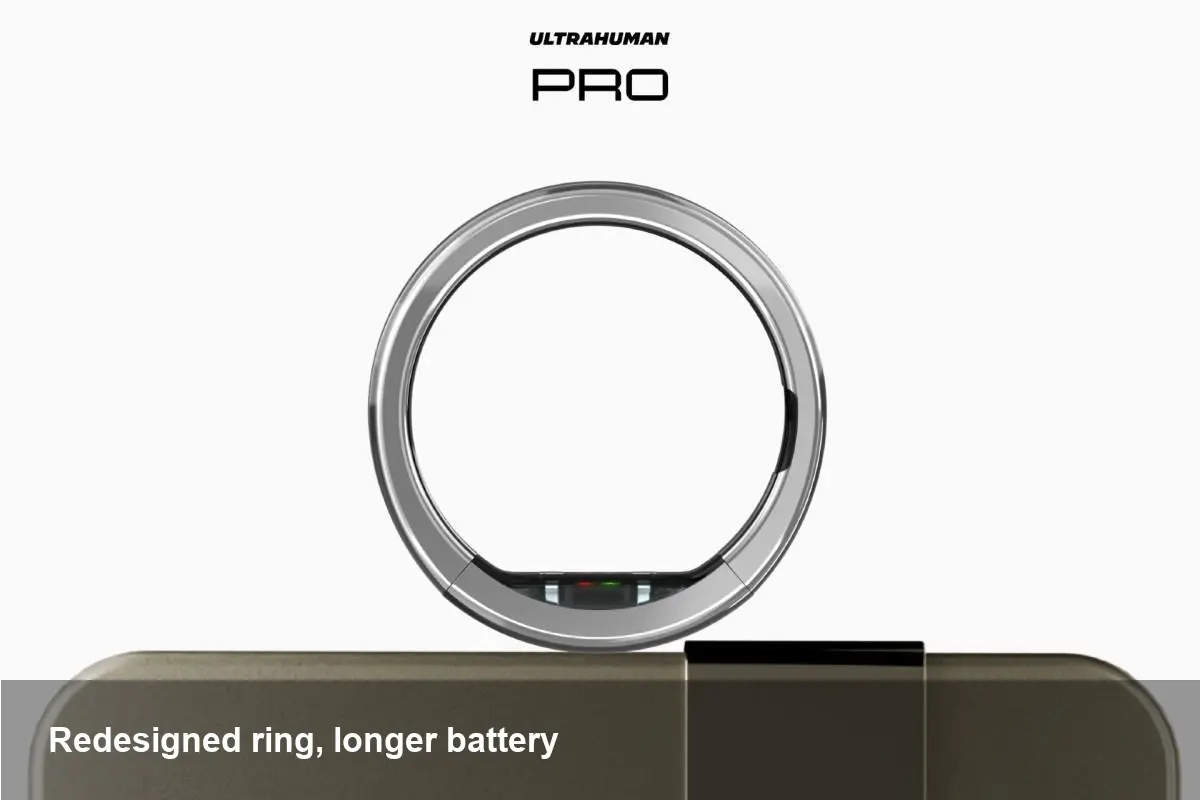
Ultrahuman recently reintroduced itself to the smart-ring market with the Ring Pro — a redesigned device that aims to reclaim attention in the US after a high-profile dispute with a rival. The company, known for combining metabolic health tools with wearable data, has reworked form, battery life and sensors to offer a higher-end option priced at $479 and promising up to 15 days between charges.
This pivot is more than a new product launch. It’s a strategic push to move from niche metabolic coaching toward mainstream sleep, recovery and activity tracking while protecting its brand position in the world of compact wearables.
Where Ultrahuman comes from
Ultrahuman started as a health-tech startup focused on metabolic fitness—particularly continuous glucose monitoring (CGM) and actionable insights for diet, training and recovery. Its software-first approach and integrations with external sensors set it apart from basic step- and calorie-focused trackers.
The Ring Pro signals the company’s intention to bring that metabolic lens into an always-on, low-friction form factor. Rings are a logical platform for sleep and recovery signals (heart rate variability, skin temperature, blood oxygen trends), and Ultrahuman’s app already ties multiple biometric streams to behavior and coaching.
What’s new in the Ring Pro (practical view)
- Battery life: The headline spec is up to 15 days between charges. That changes the user calculus: longer battery removes a frequent friction point for daily-and-nightly wearables and reduces data gaps — especially for multi-night sleep analysis.
- Price point: At $479, the Ring Pro positions itself above many fitness bands but in the same premium category as other performance and recovery-focused wearables. Buyers will expect solid hardware and a polished software experience to justify that tag.
- Sensors and design: Ultrahuman has reworked sensor placement and the ring’s shell to improve contact fidelity. Better contact typically translates to more reliable HR, HRV and SpO2 readings during sleep and low-motion periods.
- Integration focus: The product complements Ultrahuman’s metabolic tools and app ecosystem, so expect richer cross-device insights for users who pair CGM or other sensors with the ring.
These improvements are straightforward: better battery life plus improved sensing reduces two of the major pain points users complain about with rings — frequent charging and inconsistent overnight data.
How real users and teams might use it
- Serious recovery tracking for athletes: Coaches and performance athletes who monitor HRV and sleep staging can use the Ring Pro as a low-profile, continuous tracker that reduces the hassle of nightly recharging. The longer battery supports multi-day training camps without interruptions.
- Clinical or remote monitoring pilots: Clinics and research teams running short-term remote monitoring may find the form factor and battery attractive for deployment across study participants, particularly when the research focuses on sleep or circadian patterns.
- Productivity and wellness programs: Corporate wellness teams looking for premium, unobtrusive devices for employee programs could lean toward ring-style wearables if they want high compliance and comfortable overnight tracking.
- Integrated metabolic coaching: Existing Ultrahuman users who already use CGM or the company’s metabolic programs will see immediate value since the Ring Pro feeds into the same app logic, making correlations between glucose responses and sleep or stress more actionable.
Trade-offs and limitations to consider
- Price vs. competition: At $479, buyers will compare the Ring Pro against other premium wearables (including rings and wrist devices) that may include broader ecosystems (apps, subscriptions, developer tools). The hardware alone won’t win users — software and ongoing insights do.
- Sensor expectations: Rings excel at sleep and recovery metrics, but they’re less suited for continuous exercise telemetry compared with chest straps or wrist-based optical sensors during high-intensity activity. For athletes who need gym-level HR accuracy, the ring can be complementary, not a replacement.
- Data privacy and regulatory scrutiny: As Ultrahuman pushes into health signals that could intersect with medical claims, expectations around privacy, data portability and compliance will increase. Organizations and users should evaluate how the company handles sensitive biometrics.
Developer and business implications
Ultrahuman’s move signals a few opportunities for startups and developers:
- Platform integrations: If Ultrahuman opens robust developer APIs, third-party apps could tie ring-derived sleep and HRV data into coaching services, productivity tools, or research dashboards. Even without official SDKs, partnerships can deliver niche services (e.g., sleep analytics for shift workers).
- Corporate wellness procurement: Businesses buying devices at scale will evaluate total cost of ownership — device price, subscription fees, replacement cycles and data handling. The Ring Pro’s longer battery reduces replacement and support friction, improving the enterprise case.
- Competitive differentiation: Rival companies will continue to push sensor accuracy or expand services (nutrition, guided recovery, therapy). Companies building adjacent services should assume the premium ring category will emphasize actionable insights, not just raw metrics.
Three things to watch next
- Software follow-through: Hardware is only as useful as the insights layered on top. How quickly Ultrahuman iterates its analytic models, sleep coaching and integration with CGM signals will shape user retention.
- Positioning vs. rivals: The dispute with an established ring maker has been settled publicly; the market now turns to feature comparison and ecosystem strength. Watch how Ultrahuman differentiates on metabolic insights and partnerships.
- Enterprise traction: If Ultrahuman targets corporate wellness or clinical pilots, contracts and privacy guarantees will determine whether businesses adopt the Ring Pro at scale.
The Ring Pro is a calculated bet: improve the fundamentals (battery and sensing), keep the niche of metabolic-first insights, and make a stronger play for premium US buyers who expect long-term comfort and reliable overnight data. For those deciding whether to buy or partner, the sensible question is not just what the ring measures, but what action the app helps you take — and whether Ultrahuman can make those actions stick.