The Unexpected Comeback of the iPod

A small device, a big reaction
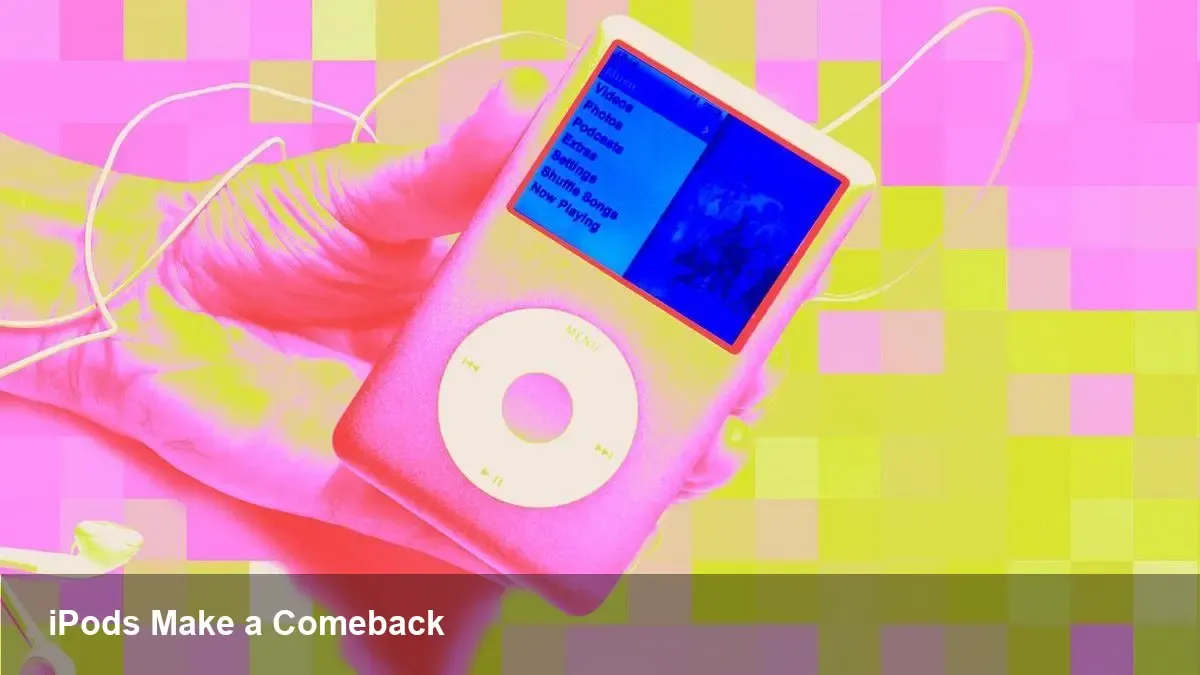
More than two decades after Apple introduced a device that changed how we carry music, the iPod is quietly enjoying a second act. Collectors, minimalists, parents and people fed up with constant smartphone interruptions are buying used and refurbished iPods again — not for status, but for a simpler listening experience.
This is more than nostalgia. The trend points to lifestyle shifts (digital detox), market opportunities (a growing resale and repair economy), and practical use cases where a pocket-sized music player still beats a phone.
Quick background: what the iPod was and how it evolved
Apple launched the iPod in 2001 as a portable hard-drive music player. That product family expanded into several lines over the years: the click-wheel iPod classic, the smaller Nano and Shuffle, and the touchscreen iPod touch, which resembled an iPhone without cellular radios. Apple discontinued the classic line around 2014, retired Nano and Shuffle in 2017, and kept the iPod touch until 2022. Since then, no new iPod models have been produced, but demand for existing units has persisted.
Why people are buying iPods again
- Simplicity and focus: For many the primary appeal is single-purpose design. An iPod plays music (and podcasts). It doesn't nag with notifications, social feeds, or constant background apps, making it an attractive tool for concentration and calm.
- Digital burnout and the ‘digital detox’ movement: More people are intentionally reducing screen time. An iPod lets users take music with them without reintroducing the distractions that come with modern smartphones.
- Nostalgia and design appeal: The tactile controls on click-wheel models, distinctive color options from the Nano era, and the ritual of syncing a collection elicit strong emotional connections for people who grew up with them.
- Affordability and resilience of the secondary market: Used units and refurbished devices can be much cheaper than buying a new phone or dedicated hi-res player, while still delivering strong battery life and good audio quality for day-to-day listening.
- Practical scenarios where phones aren’t ideal: workouts, kids, travel zones with limited connectivity, and workplaces with strict device policies. An iPod is safe, simple, and often permitted where phones are not.
Practical examples — who benefits and how
- Parents: A durable iPod can be loaded with a child’s music, stories and audiobooks. It’s less appealing to kids as a communication device, reducing safety and supervision concerns.
- Athletes and outdoor users: iPods (especially older Shuffle and Nano models) are tiny, light, and have excellent battery life for long runs, hikes, or bike rides.
- Commuters and focused workers: Using an iPod for podcasts or playlists during a commute or deep work session avoids the interruptions that come from social apps.
- Travelers: International trips can be cleaner with an iPod — no roaming data, fewer security flags at checkpoints, and predictable battery life.
Buying, maintaining, and upgrading a vintage iPod
If you’re thinking of buying one, here are practical pointers:
- Know the model and its limits: iPod touch models can run apps and Wi‑Fi, while classic/Nano/Shuffle are strictly media players. Check battery-swappable options or known failure modes for older hard-drive iPods.
- Inspect battery and storage: Older iPods often need battery replacements or new storage. Replacements are widely available from reputable refurbishers or DIY repair suppliers.
- Use modern tools to sync and manage files: Third-party software exists to manage music libraries without relying solely on legacy versions of iTunes.
- Consider refurb and warranty sellers: Buying from verified refurbishers reduces the risk of device failure and often comes with short warranties and returns.
What this means for businesses and developers
- Refurb and repair shops have runway: The rise in demand fuels a small-business economy of repairs, battery swaps, and aftermarket accessories. A local or online refurbisher can scale around a predictable need for parts and labor.
- Accessory makers can innovate: Designers of armbands, rugged cases, Bluetooth transmitters (to add wireless audio), and charging docks can find steady customers among iPod buyers.
- Niche software and hardware hacks: Hobbyists and makers have created firmware tweaks, conversion projects (turning an old iPod into a dedicated podcast player), and even integrations with modern streaming via Bluetooth bridges.
- Retailers and marketplaces: Platforms that highlight verified refurb units, condition grading, and easy return policies can capture buyers who want a reliable purchase experience.
Three forward-looking implications
- A market for single-purpose digital objects will grow: People increasingly value devices that perform one job exceptionally well. Expect more vendors targeting distraction-free audio players and “dumb” wearables.
- Secondary markets and repair ecosystems become strategic assets: Companies that invest in refurb channels and parts logistics can monetize legacy hardware and reduce electronic waste.
- Design lessons for modern devices: The appetite for the iPod’s simplicity is a reminder for product teams to design with focused value and minimal friction — sometimes, taking features away increases product desirability.
Where this trend could go next
Apple could ignore the mini-player resurgence — it already folded many iPod features into iPhones and AirPods. Alternatively, third parties and startups can build on the momentum: makers of minimalist music players, low-cost Bluetooth adapters for old devices, and services that curate distraction-free audio experiences could all find customers.
For individuals, the iPod comeback is both practical and symbolic. It shows that not every problem needs a smarter device; sometimes a well-built, single-purpose gadget better fits the way we want to live. If you’re tempted to buy one, think about the use cases you value (simplicity, battery life, or kid-friendly controls) and buy accordingly.