Sony pauses SD and CFexpress sales — practical response guide

What happened and why it matters
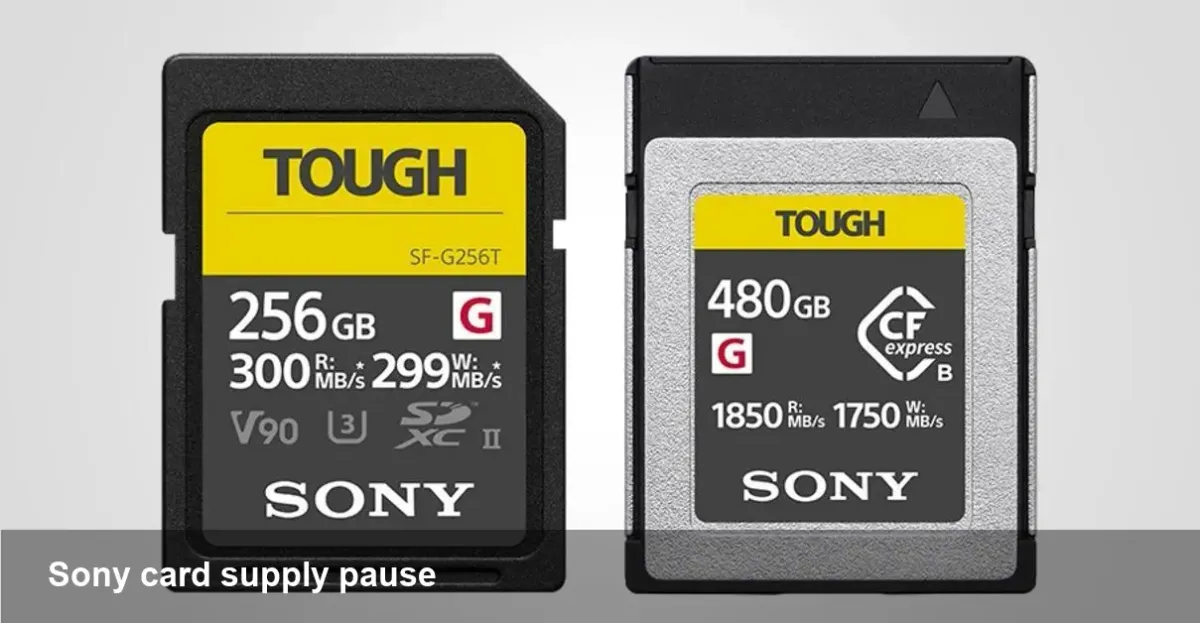
Sony recently paused accepting new orders for some of its SD and CFexpress memory cards in Japan, citing shortages. The move is limited in scope but it’s a real disruption for anyone who relies on Sony-branded media: professional photographers, event shooters, and video teams that use high-bitrate formats such as 4K/8K RAW.
Why this matters: SD and CFexpress cards aren’t interchangeable in performance. CFexpress (Type B) delivers very high sustained write speeds required by pro-level cameras and high-frame-rate recording. When one major supplier tightens distribution, downstream effects include stockouts at retailers, short-term price volatility, and amplified pressure on rental houses and resellers.
Quick primer: SD vs CFexpress and where demand comes from
- SD cards (including UHS-II SDXC) cover a wide range of use cases — from casual DSLR shooting to many professional workflows when paired with cameras that aren’t recording extreme bitrates.
- CFexpress Type B targets high-end mirrorless cameras and cinema rigs that record higher-resolution RAW video or burst RAW stills at fast frame rates. These cards use a PCIe/NVMe-like interface, so they require more advanced controllers and often more sophisticated NAND.
The adoption of higher-resolution video (8K, high-frame-rate 4K RAW) and more capable mirrorless bodies has pushed demand for faster, higher-capacity media. That demand coincides with a global tightness in flash NAND and controller supplies that manufacturers like Sony must manage.
Who’s affected and realistic short-term impacts
- Wedding and event photographers: Risk of running out of cards mid-season; backups become critical.
- Videographers and film crews: Rentals and redundancy practices will be strained by limited stock of very fast CFexpress cards.
- Resellers and camera stores: Inventory turnover will spike; expect slower replenishment and possible pricing adjustments.
- Casual shooters: Little immediate impact if you use lower-speed SD cards, but popular midrange cards may see temporary scarcity.
Short-term impacts you may notice: limited online availability, increased lead times for certain capacities and speed grades (e.g., V90, CFexpress Type B 160GB+), and occasional price markups by opportunistic sellers.
Practical steps photographers and creators should take now
- Audit existing inventory
- Check what cards you have and what speeds/capacities your current cameras actually need. You may be overbuying speed for workflows that don’t require V90/CFexpress-level performance.
- Prioritize media for critical shoots
- Reserve CFexpress cards for jobs that absolutely need them (8K/RAW, long continuous record). Use UHS-II SD for lower-bitrate recording or overflow storage.
- Verify compatibility before you buy
- If you switch brands (SanDisk, ProGrade, Lexar, Western Digital), confirm that your camera firmware supports those cards and the specific speed class.
- Rent or borrow for peak demand
- Rental houses typically refresh stock faster; for one-off projects consider renting CFexpress rather than paying inflated retail prices.
- Adapt recording settings temporarily
- Use lower bitrates, proxy recording, or lower resolutions for non-critical captures to reduce media consumption.
- Bolster backup procedures
- If you must reuse cards on multi-day shoots, ensure you have a reliable offload, verify checksums where possible, and keep duplicates.
- Invest in fast card readers and workflows
- Slower readers bottleneck post-production. A USB-C/Thunderbolt-capable reader will reduce turnaround time and reduce the number of cards you need in rotation.
Alternatives and brand considerations
If Sony-brand cards are unavailable, established alternatives include SanDisk (Western Digital), Lexar, ProGrade Digital, and Delkin. Each maker has different controller firmware and endurance characteristics — for pros, prioritize cards with clear real-world benchmarks (sustained write tests) rather than just advertised peaks.
Be cautious with unknown budget brands and marketplace gray-market imports. Counterfeit cards and mislabeled speeds are common when demand outstrips supply.
Business and reseller implications
- Pricing pressure: Short-term price increases for premium cards are likely. Businesses should evaluate whether to pass costs on to clients or absorb them for competitive advantage.
- Inventory strategy: Retailers and rental companies may rework stocking policies, prioritizing certain capacities or vendor relationships.
- OEM prioritization: Sony or other manufacturers could allocate limited stock to OEM channels or professional segments first, leaving consumer channels with slower restock.
For rental houses and camera stores, this is a reminder to maintain a diversified portfolio of suppliers and to consider long-term contracts with memory manufacturers if demand is predictable.
Broader supply-chain takeaways and what’s next
Insight 1 — High-performance media is supply-sensitive: Faster formats need more advanced controllers and often higher-grade NAND. As imaging capabilities increase, media manufacturers face increasing complexity and higher-capacity forecasts.
Insight 2 — Manufacturers will likely prioritize professional segments: When shortages occur, producers commonly allocate to higher-margin or OEM contracts first, which means pros may see less disruption than consumer retail — but still some friction.
Insight 3 — This highlights a structural vulnerability: Camera makers and pros who depend on single-brand ecosystems are exposed. Expect more emphasis on supply diversification, longer supplier agreements, and possibly more in-house production or strategic partnerships for critical components.
What to watch for in the coming weeks
- Restocking notices from retailers and official statements from Sony Japan about timelines and affected SKUs.
- Price movement on aftermarket sites and rental availability for CFexpress cards.
- Firmware updates from camera makers that might add compatibility with alternative cards or optimize recording profiles to reduce write pressure.
If you’re buying now: buy only from reputable sellers, verify return policies, and avoid panic purchases. For pros, a modest buffer of certified cards plus a tested rental partner will keep shoots running when supply hiccups arrive.
Whether this is a brief ripple or a sign of longer-term constraints, the solution for most creators is pragmatic: inventory awareness, flexible workflows, and vetted alternatives.