Sonos Play: Bridging Wi‑Fi Multiroom and Bluetooth Portability

What the Sonos Play changes about home audio
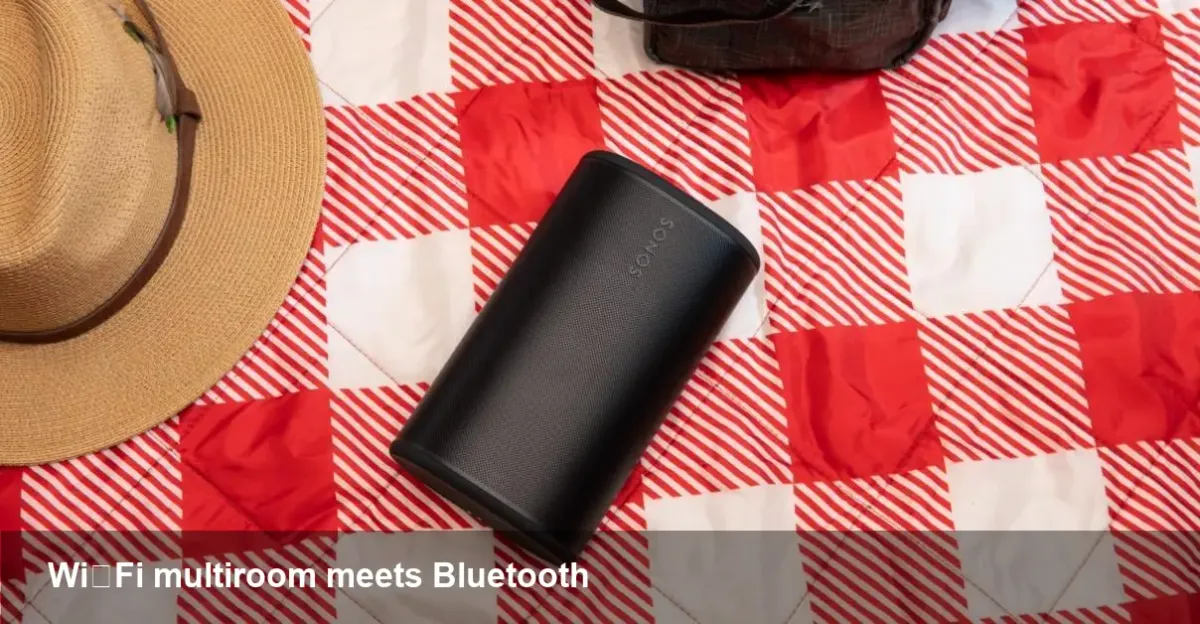
Sonos has built its reputation on reliable Wi‑Fi multiroom audio and a polished ecosystem. The Play speaker — a versatile entry point into Sonos’ world — extends that approach by supporting both full-featured Wi‑Fi integration and a fallback Bluetooth mode. That combination turns the Play into something more than a single-room speaker: it’s a hybrid device designed for people who want Sonos’ ecosystem benefits without losing the convenience of ad‑hoc Bluetooth playback.
This article explains what that hybrid model delivers for everyday users, how it affects developers and integrators, and what it signals for the future of smart speakers.
Quick background: Sonos and the Play line
Sonos began by focusing on networked audio: speakers that communicate over Wi‑Fi to stream high‑quality audio, synchronize across rooms, and integrate with popular streaming services. The Play family sits in Sonos’ lineup as an approachable option for adding Sonos to your home. With its dual-mode capability, the Play can operate as a native member of a Wi‑Fi Sonos system for multiroom playback and—when removed from that environment—pair with phones or tablets over Bluetooth.
That hybrid capability simplifies use cases where Wi‑Fi is unavailable or inconvenient while keeping the long-term benefits of the Sonos platform.
Real-world scenarios where hybrid connectivity helps
- Home multiroom setup: Connect several Play speakers (and other Sonos devices) to a home Wi‑Fi network, use the Sonos app to build groups, and stream different audio to each room with minimal latency and robust connectivity.
- On-the-go or spot use: Bring a Play into a guest room, backyard, or a friend’s place and pair it to a phone via Bluetooth for instant playback without relying on the host network or app credentials.
- Office or event use: Use Wi‑Fi mode during daily office hours for synchronized background music, then switch to Bluetooth for a quick presentation or playlist from a personal device.
- Travel scenarios: When temporary networks block streaming services or require captive portals, Bluetooth allows local playback without complex setup.
These examples highlight the value of having both standardized networked audio behaviors and a simple fallback that any device can use.
For developers and integrators: what to expect
Hybrid speakers change integration patterns in three practical ways:
- Predictable multiroom behavior: While on Wi‑Fi, the Play participates in Sonos’ multiroom synchronization and will respond to the Sonos control stacks and APIs. For integrators building home automation scenes, that means reliable grouping and playback control using Sonos’ established interfaces.
- Local pairing as a fallback: Bluetooth pairing creates a local, device‑to‑device audio path that sidesteps Sonos’ cloud and local control layers. Developers should treat Bluetooth sessions as transient and expect limited remote control or automation while a speaker is paired to a phone.
- UX edge cases to handle: When switching between modes, audio sessions, notifications, or automations can behave unexpectedly. Good integrations should detect networked vs. paired state and gracefully pause automations or reroute audio to other devices.
If you build apps or integrations that involve Sonos hardware, include state detection and user prompts explaining how switching to Bluetooth will impact group playback and voice controls.
Setup and practical tips for users
- Use the Sonos app to add the Play to your home system first. That preserves multiroom features and DSP/firmware updates.
- If you take the speaker away from your Wi‑Fi network, pair it with a phone using standard Bluetooth pairing. Expect the Sonos app features and streaming service integrations to be unavailable during Bluetooth playback.
- For shared spaces (offices, event venues), keep a policy for who can switch the speaker into Bluetooth mode. One person pairing can break a synchronized playlist for others.
- Watch for firmware updates. Even when used as Bluetooth devices, the speaker will require occasional updates for performance and security; connect it back to the Sonos app periodically.
Trade-offs and limitations
Hybrid speakers are convenient but not without compromises:
- Feature parity: While on Wi‑Fi, users enjoy the full Sonos feature set—voice assistants, service integrations, and multiroom sync. Bluetooth mode is intentionally minimal: it prioritizes compatibility and ease over the ecosystem features.
- Control limitations: Bluetooth audio streams are typically controlled by the connected device. That can inhibit centralized control apps or automations until the speaker reconnects to Wi‑Fi.
- Latency and codec differences: Bluetooth introduces latency and may rely on different codecs depending on the connected device. For real‑time audio needs (e.g., video playback), Wi‑Fi mode will generally perform better.
- Security and privacy: Using Bluetooth for temporary playback reduces exposure to cloud services, but it also limits remote management and monitoring that operators may rely on.
Business and ecosystem implications
For Sonos, a hybrid Play model is an attractive entry product. It lowers the barrier to trying Sonos—users can experience Sonos sound quality and later expand into a full Wi‑Fi multiroom system—while also satisfying casual buyers who want Bluetooth convenience. For the wider market, hybrid devices nudge competitors toward offering more flexible connectivity. Expect manufacturers to design speakers that intelligently switch modes and present clearer UX for transitions between local and networked playback.
From a developer standpoint, the rise of hybrid hardware encourages clearer API contracts and state management. Automation platforms and smart home hubs need to surface speaker state (Wi‑Fi vs Bluetooth) so users understand what automations will run.
What this signals for the next wave of smart speakers
- Connectivity hybridization will grow: Consumers value both ecosystem features and simplicity. Future devices will increasingly blend local and cloud capabilities without requiring manual mode switches.
- Better UX for mode switching: We’ll see smarter handoffs where a speaker can continue playing the same track when moving from Wi‑Fi to Bluetooth, or present helpful prompts explaining lost features.
- Ecosystem openness and standards will matter: Interoperability initiatives (like Matter) and improved Bluetooth codecs will reduce friction between devices and make hybrid behavior more predictable.
Who should consider a Play speaker?
- People building a Sonos multiroom system who want a low-friction entry point.
- Users who need occasional portable playback without buying a separate Bluetooth-only speaker.
- Small offices or event organizers who want a single speaker to serve both scheduled streaming and ad‑hoc device playback.
Adopters who prioritize centralized automation and voice control should keep in mind the trade-offs when the device switches to Bluetooth.
Hybrid speakers like the Play show how device makers can make premium ecosystems more approachable while still supporting the spontaneity of Bluetooth. That combination keeps audio flexible for everyday life—and opens new design and integration opportunities for builders and businesses alike.