Samsung's 2026 Frame TVs: cheaper Pro and metal bezel option

What Samsung updated for 2026
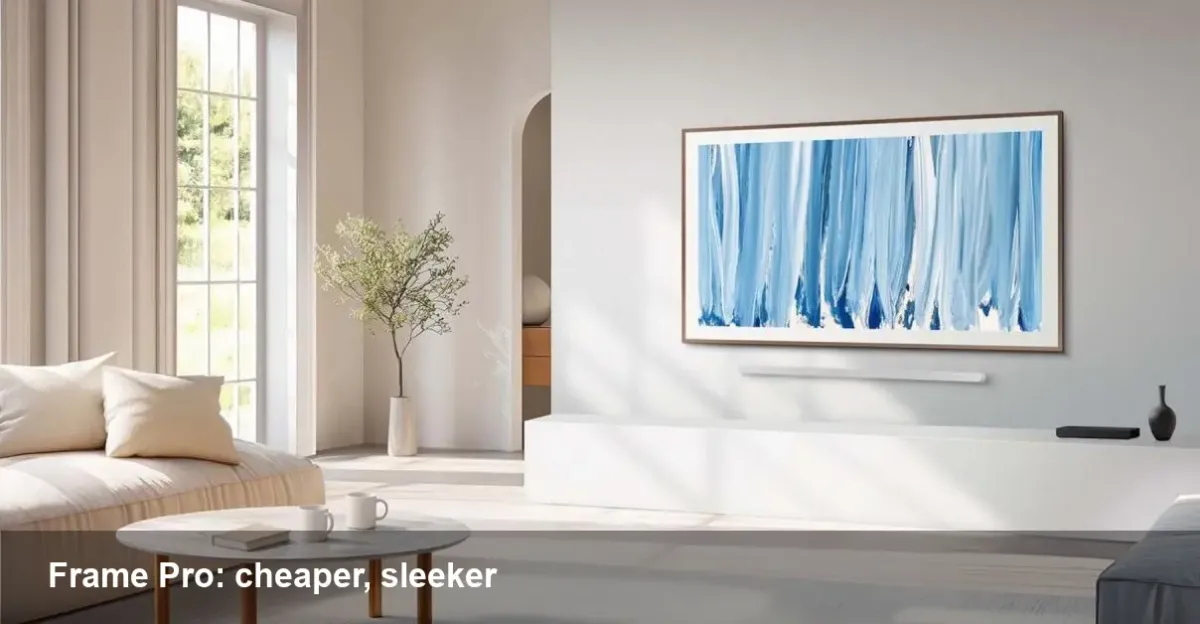
Samsung has refreshed its lifestyle TV lineup for 2026, focusing on two visible moves: a price adjustment to the higher-end "Pro" variant of The Frame, and a cosmetic upgrade to its QD‑OLED flagship, the S95H, which now offers a metal bezel option. These changes signal Samsung’s intent to better align premium features with real-world buyer expectations—both for home owners who want artwork-first displays and for content creators who need accurate, versatile screens.
Why the Frame Pro price cut matters
When premium models drop in price relative to their predecessors, it’s more than a holiday discount—it’s a strategic decision. Lowering the cost of the Frame Pro makes the lineup more accessible to buyers who value a hybrid product: a TV that doubles as wall art.
Practical impact:
- Increased adoption among apartment owners and interior designers who balance aesthetics and performance. The Frame’s ability to display artwork (or stream content) becomes easier to justify against competing premium TVs.
- Greater appeal for small businesses and hospitality venues that want a stylish display without the full premium tax usually attached to professional-grade models.
For consumers this means you can get The Frame’s art‑mode benefits—matte art rendering, curated image galleries, and frame customization—paired with higher performance at a price closer to mainstream premium TVs. For Samsung, it’s a play to convert customers who might otherwise choose non‑lifestyle premium OLEDs or QLED sets.
The S95H QD‑OLED gets a metal bezel: why that’s notable
The S95H has been recognized for its QD‑OLED panel: deep blacks, vibrant color, and strong HDR performance. Adding a metal bezel option is a subtle but meaningful change:
- A metal bezel improves perceived quality. It’s one of those tactile details that elevates a product from electronics to an object of design.
- It helps the TV read better in rooms where the display is a focal point; metal tends to photograph and reflect less like glossy plastics.
- For installers and home‑theater integrators, the metal bezel is another customization option to match frames, furniture, and architectural finishes.
In short, the metal trim doesn’t change picture quality, but it helps Samsung compete on the interior‑design stage, where appearance matters as much as specs.
Concrete scenarios where these changes matter
- A boutique hotel wants in‑room displays that look like framed art rather than black rectangles. The cheaper Frame Pro lets them deploy more screens without blowing the budget.
- A photographer needs a reference display for editing in a multi‑purpose living room studio. The S95H QD‑OLED with a metal bezel becomes a centerpiece that doubles as a calibrated display and a stylish backdrop for client meetings.
- An art collector who wants rotating high‑resolution scans of their pieces can use The Frame’s art ecosystem without paying top‑tier professional monitor premiums.
What this means for developers and content creators
If you build apps or content for smart TVs, these updates shift the audience a bit:
- More Frame Pro units in homes increases the potential reach for art apps and marketplaces that integrate with Samsung’s art services. If you sell digital art or subscription galleries, expect a slightly broader customer base.
- The continued prominence of QD‑OLED displays like the S95H reinforces a demand for HDR‑first workflows. Video and color professionals should preserve proper metadata (PQ/HDR10+/Dolby Vision where applicable) to ensure content looks right on high‑dynamic‑range panels.
- Designers of UI for TV should account for The Frame’s art mode and bezel variants. A tightly framed UI or guided gallery experience can feel more native on a display intended to be seen as a picture.
Developers who target Samsung’s platform should continue to use Samsung’s Tizen-based tools and follow best practices for image quality—high-resolution assets, color management, and low-latency interactions for remote control.
Pros, cons, and practical limitations
Pros:
- Better value proposition with a cheaper Pro variant.
- More decor-friendly S95H with a metal bezel option.
- Stronger appeal for mixed-use spaces (living room + gallery, studio + meeting room).
Cons:
- Price cuts can indicate slimmer margins or a response to competitive pressure; future feature updates may be more iterative.
- The metal bezel is cosmetic—buyers expecting measurable picture improvements from a trim change will be disappointed.
- The Frame’s art experience still depends on software ecosystems and licensing; true value requires a good selection of artwork and easy management tools.
Three implications for the coming years
- Lifestyle displays will continue to blur the line between consumer electronics and interior design. Expect more finishes, materials, and mounting options as TV makers compete on aesthetics as well as pixels.
- Pricing strategies in premium TV segments will become more dynamic. Brands will use modest price cuts to widen adoption rather than launch big new feature plays each year.
- Content ecosystems will gain importance. As lifestyle TVs become more common, curated art services, marketplaces for digital prints, and apps optimized for framed displays will grow—creating opportunities for creators and startups.
How to evaluate whether one of these models is right for you
Ask yourself:
- Is the display a focal piece of the room, or hidden most of the time? If it’s a focal piece, the metal bezel and The Frame’s art modes are worth considering.
- Do you need color-critical performance for photos or video? Opt for the QD‑OLED or calibrated professional displays—but remember the metal bezel is a design choice, not a color upgrade.
- Are you buying for multiple rooms or a business? The cheaper Frame Pro can make a multi‑unit deployment more practical.
If aesthetics matters as much as specs, these 2026 updates from Samsung make high‑end TVs more accessible and more design‑friendly.
Whether you’re specifying screens for a boutique project or deciding on a single living‑room upgrade, the changes are subtle but strategic: better pricing where it counts, and more finish choices where details matter.