Samsung's 2026 Frame Pro and OLEDs: glare-free screens at scale

What Samsung introduced in 2026
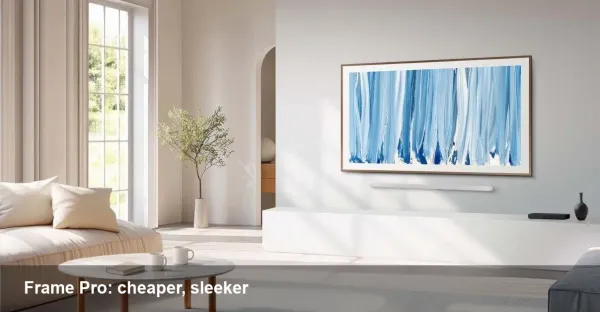
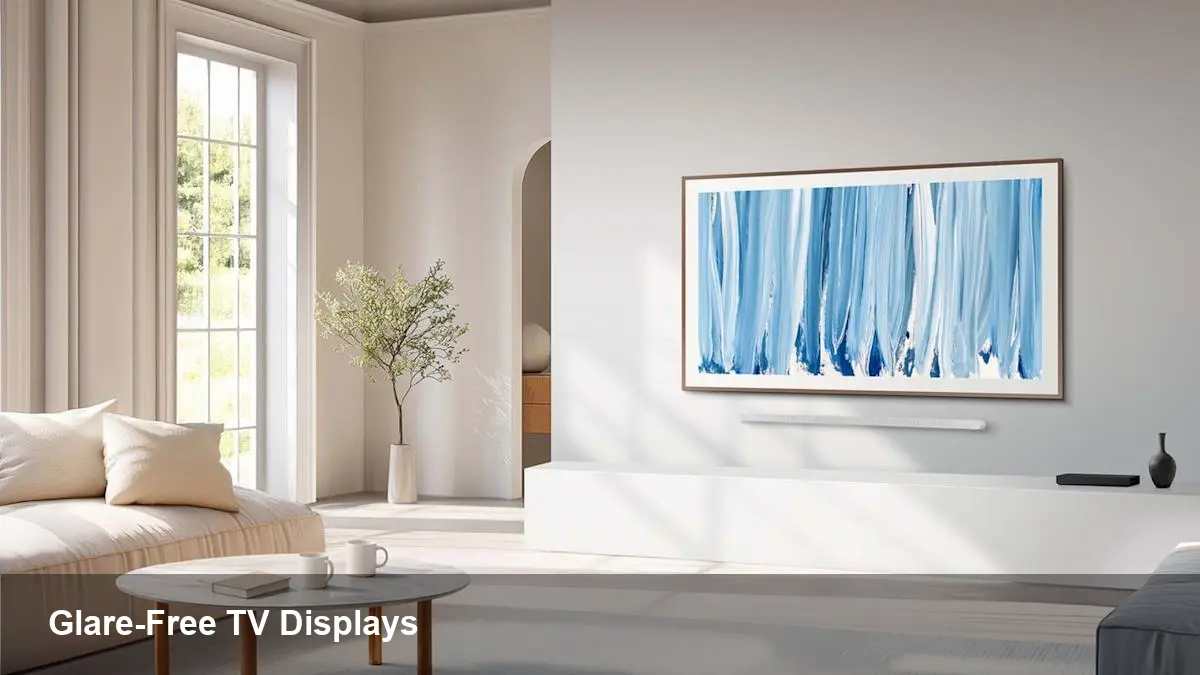
Samsung has started selling its 2026 refresh of The Frame Pro and new OLED TV models, with one headline feature: glare-free displays and expanded size options. The company positioned these updates to address bright-room viewing, gallery-style display use, and customers who want larger, more flexible installations.
This wave is notable because it brings a design-first product (The Frame Pro) and Samsung’s OLED line closer to environments that previously required careful lighting control. By making those panels less reflective and offering new sizes, Samsung is aiming at homeowners, businesses, galleries, and hospitality customers that need TVs to behave more like framed art or museum displays.
Why glare-free screens change the practical equation
Most consumer TVs reflect ambient light, which can ruin the image in bright rooms or storefronts. A truly low-reflectance surface affects three practical areas:
- Viewing consistency: Images remain readable without dimming lights or closing blinds. That matters for living rooms with windows, hotel lobbies, restaurants, and retail displays.
- Aesthetics for art mode: The Frame line’s core promise is to look like wall art. Reducing reflection makes displayed images read more like printed or painted artwork rather than a glossy screen.
- Installation flexibility: With lower glare, integrators get more placement options — you can mount the screen opposite windows or under strong spotlights without relying on cabinetry or special angling.
Those benefits combine to expand where these TVs can be used without compromising the room’s lighting design.
Real-world scenarios where this matters
- Home owners: In open-plan living spaces with floor-to-ceiling windows, glare-free panels mean the TV can sit where it looks best instead of being pushed into a darker corner. It also improves daytime use for video calls, gaming, and streaming.
- Small businesses and retail: Stores use large displays for signage and product storytelling. A matte, low-reflectance OLED retains contrast and clarity under showroom lights, reducing the need to reconfigure lighting for display visibility.
- Hospitality and venues: Hotels, restaurants, and waiting areas often want screens to blend with interiors. The Frame Pro in art mode can show bespoke imagery or rotating exhibitions while remaining readable under warm, ambient lighting.
- Galleries and creators: Artists and galleries experimenting with digital exhibits get a more faithful presentation without having to build blackout conditions or employ specialized mounting.
What developers, integrators, and startups should consider
These hardware updates open practical opportunities for product teams, integrators, and startups building on smart displays:
- Content optimization: With glare-free panels, content creators can assume steadier contrast and color fidelity in a wider set of lighting conditions. That reduces the need for multiple asset versions tuned to bright vs. dark rooms.
- Digital signage platforms: SaaS companies offering scheduling, remote management, and performance analytics for screens can expand into markets previously denied by reflectivity issues — for example, marquee storefront windows and museum-like installations.
- Smart-home and AV integrators: Installation workflows simplify. You can quote more flexible placement, fewer lighting changes, and less time spent prototyping mounts or enclosures. That lowers labor cost and speeds rollouts.
- API and app opportunities: Samsung’s TV ecosystem historically supports app distribution and integrations. If these models are targeted at pro and commercial segments, expect more demand for lightweight content-management tools, automated color-calibration services, and remote diagnostics.
Trade-offs and limitations to weigh
No display update is without compromises. Consider:
- Contrast and black levels: Anti-reflective treatments (or matte coatings) can sometimes slightly alter perceived contrast or increase surface scattering. With OLEDs’ excellent native blacks, this trade-off may be minor, but it's worth checking in person.
- Cost premium: Pro-branded or specialized finishes typically carry higher price points. Businesses should model ROI for use cases like retail signage or hospitality décor.
- Mounting and protective options: Larger sizes and gallery-focused designs can require sturdier mounts and different frame hardware. Account for installation budgets and wall reinforcement when specifying units.
- Software and platform expectations: If these models are used in commercial contexts, buyers should confirm enterprise features — multi-screen sync, signage-friendly scheduling, and remote management — are available or can be added via partners.
Business impact and where the opportunity lies
For Samsung, making OLED and art-first displays glare-resistant broadens addressable markets. For startups and integrators, this is a chance to offer new services:
- Curated art-as-a-service: Companies that license digital art can bundle displays with rotating collections for hotels and property developers.
- Retail experience platforms: Omnichannel retail tech can use glare-free screens in windows to run dynamic campaigns that work in daylight.
- Commercial AV as a managed service: Managed installations for corporate offices, hospitality, and real estate showrooms become more attractive when screens perform predictably under different lighting.
From a product perspective, buyers should treat the update as enabling technology: it doesn’t remove the need for good content or professional installation, but it reduces one major environmental constraint.
A few signals about what this means next
- Expect wider adoption of museum-grade finishes across mainstream TV lines. As manufacturing costs for anti-reflective treatments drop, more midrange models will likely get similar surface tech.
- Software and content ecosystems will catch up. Vendors that provide content management, color profiling, and scheduling will be able to target new verticals like daytime storefront advertising.
- A shift toward hybrid products: TVs that alternate seamlessly between entertainment, art display, and commercial signage will become more common, blurring the line between consumer and pro hardware.
How to evaluate a purchase or pilot
If you’re buying for home or business, do these checks:
- See a live demo under real lighting similar to your site.
- Confirm enterprise features and warranty terms for commercial use.
- Ask about professional calibration options and remote management APIs.
- Factor installation costs for larger sizes and any framing accessories if aesthetics are a top priority.
Samsung’s 2026 The Frame Pro and updated OLEDs make clear lighting less of a constraint — but the full value comes when the hardware, content, and installation are considered together. Whether you’re a startup looking to add physical displays to an offering or a homeowner wanting a better daytime viewing experience, these models broaden the ways screens can be used around light, not against it.