Samsung's 13-inch Color E‑Paper Uses Phytoplankton

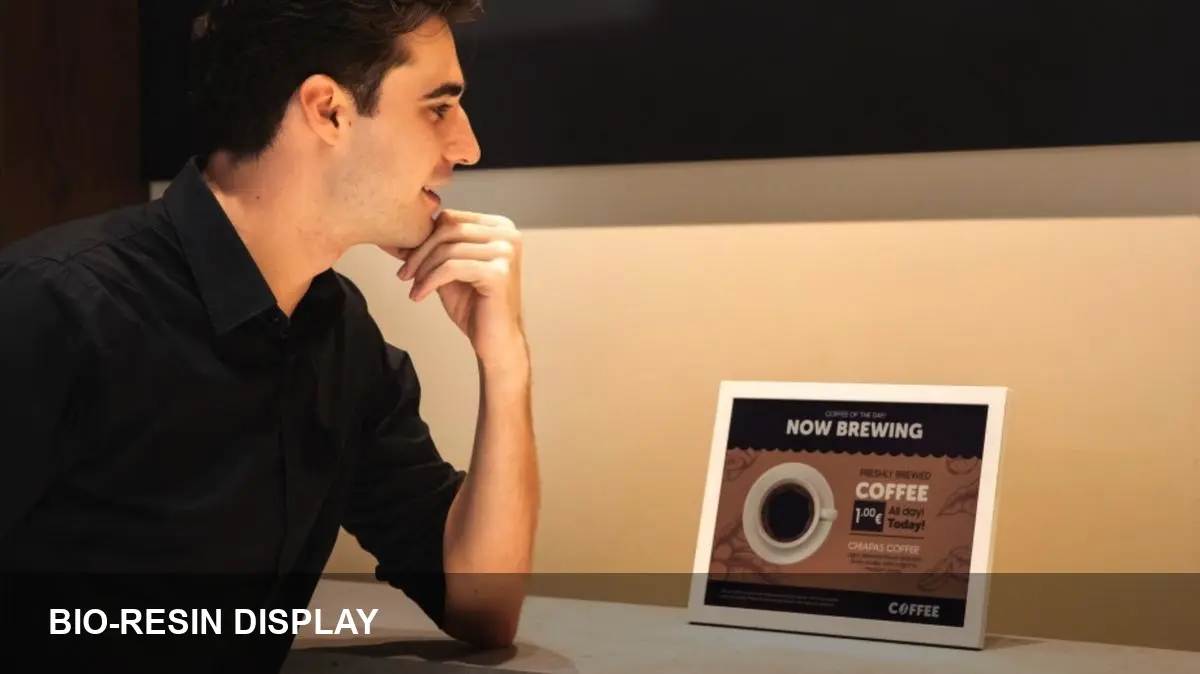
- World's first: Samsung's 13-inch Color E-Paper uses a bio-resin made partly from phytoplankton.
- The display housing blends microalgae-derived material with conventional components, marking a new route for greener device parts.
- Color e-paper keeps the device low-power and readable, while the bio-resin aims to reduce reliance on fossil-based plastics.
- Availability, pricing and full technical specs were not included in the announcement and remain to be confirmed.
What Samsung announced
Samsung has introduced a 13-inch Color E-Paper that features the world's first display housing made in part with a bio-resin crafted from phytoplankton, a type of microalgae.
The brief description highlights the material innovation rather than full product specifications, positioning the device as an early example of integrating biomass-derived plastics into consumer display housings.
Why the phytoplankton bio-resin matters
Using a bio-resin from phytoplankton targets two industry challenges: reducing dependence on fossil-derived plastics and exploring lower-carbon material alternatives.
Phytoplankton are microscopic algae that can be cultivated as biomass. Turning that biomass into a resin for device housings suggests a pathway for more sustainable material sourcing in electronics manufacturing.
How this fits with e-paper
Color e-paper is already valued for low power consumption and good readability, especially for document and e-book workflows. Combining that display technology with a bio-based housing could appeal to users and manufacturers focused on sustainability.
The announcement centers on the material innovation rather than display metrics; essential technical details such as resolution, refresh behavior, weight and battery implications were not provided in the short description.
Implications and open questions
This move could nudge suppliers and rivals to experiment with more bio-derived components if the material meets durability, safety and cost targets.
Key questions remain: how the bio-resin performs under heat, UV and mechanical stress; what percentage of the housing is bio-resin; and whether the process scales economically for mass-market devices.
Samsung’s 13-inch Color E-Paper serves as a proof point that major manufacturers are exploring microalgae-derived plastics. If the approach proves practical, it may influence future device design choices and supply chain sustainability strategies.
For now, the announcement highlights an important material experiment rather than a full product launch—watch for more details on performance, certification and availability as Samsung releases them.