Samsung Wallet Adds Digital Home Key for Aliro Smart Locks

What just happened
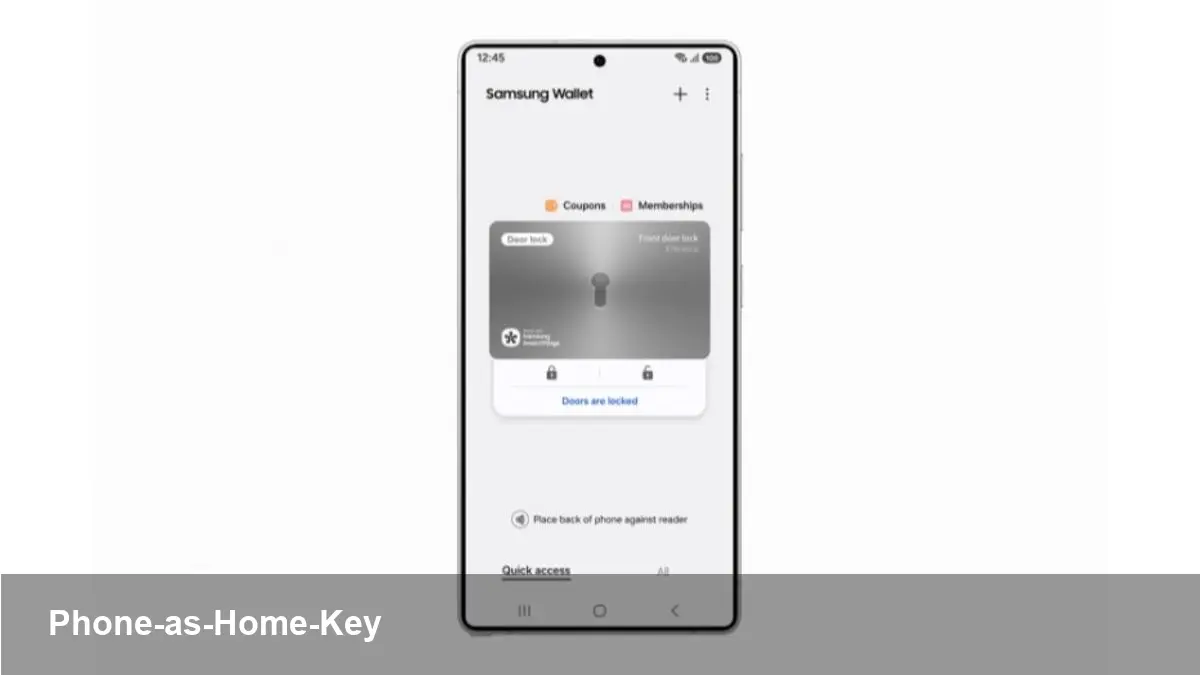
Samsung rolled out a Digital Home Key inside Samsung Wallet that lets Galaxy users unlock compatible smart door locks. The capability is built on Aliro — the Connectivity Standards Alliance’s open standard for smart locks — which aims to make secure, cross-vendor lock integration practical for phone makers, lock manufacturers, and end users.
This isn’t simply a new pass in a wallet app. It stitches Samsung’s device security, user-facing wallet workflows, and the Aliro interoperability model together, so people can treat their phone as a primary home key across a growing range of lock hardware.
Why this matters for homeowners and renters
Smart locks are useful, but the ecosystem has been fractured: different brands, different apps, different onboarding steps. By supporting Aliro and surfacing keys inside Samsung Wallet, Samsung is tackling three everyday problems:
- Reduction of friction: Users already carry a phone and open apps. A digital key in Samsung Wallet simplifies access without juggling multiple vendor applications.
- Centralized access management: Owners can issue, time-limit, and revoke keys from a familiar interface, which is especially helpful for guests, cleaners, contractors, and short-term rentals.
- Better user trust: Wallets are designed around secure credential storage and user verification (PIN, biometric unlock), which most consumers find more comfortable than a third-party lock app.
Practical example: a homeowner can send a Digital Home Key to a babysitter for Saturday afternoon, set it to expire after six hours, and revoke it instantly if plans change — all without the babysitter needing to install the lock manufacturer’s app.
How Aliro changes the game
The Connectivity Standards Alliance (CSA) created Aliro to define how smart locks handle discovery, provisioning, credential exchange, and basic access control across manufacturers. The key implications:
- Interoperability: Aliro aims to let phones and hubs talk to many different lock brands the same way, reducing vendor lock-in for consumers and simplifying support for device makers.
- Standardized onboarding: Lock manufacturers can implement a common flow for pairing and issuing credentials, making integrations into wallets and platforms less bespoke and more predictable.
- Security baseline: The standard gives manufacturers a shared reference for authentication and key lifecycle management, which should raise the minimum bar for secure implementations.
For developers building on smart-lock platforms, Aliro provides a clearer integration surface: fewer bespoke APIs, more standardized credential handling, and predictable provisioning semantics.
Scenarios for consumers and businesses
- Short-term rentals: Property managers can distribute time-bound keys to guests, reducing the cost and hassle of physical key exchanges and avoiding rekeying between stays.
- Multi-tenant buildings: Building operators can provision elevator and entry access together with apartment keys, using Aliro as a common layer for multiple vendors’ locks.
- Service workflows: Maintenance teams or cleaners receive temporary credentials that expire automatically, improving operational security.
- Families: Parents can grant unique phone-based keys to children that can be monitored and revoked quickly.
These scenarios show why hotels, property managers, and facilities teams will watch adoption closely — the operational savings compound as manual key handling and help-desk requests drop.
Developer and manufacturer perspective
For lock makers, adopting Aliro and integrating with Samsung Wallet is both a technical and a business decision:
- Technical lift: Implementing Aliro requires firmware and cloud work to support standardized provisioning, credential formats, and lifecycle operations. Manufacturers with modular firmware or OTA update systems will find the migration easier.
- Distribution benefits: Once Aliro is supported, locks become more attractive to platform ecosystems (phones, hubs, property-management systems), opening new sales channels.
- Testing and certification: Interoperability testing increases QA work but reduces long-term support costs by aligning behavior across platforms.
Developers building property-management software or access workflows can expect: standardized endpoints for issuing keys, predictable revocation behavior, and a clearer user experience to integrate into booking engines or tenant portals.
Security and limitations to watch
No system is perfect. A few caveats and areas to evaluate:
- Ecosystem boundaries: The initial launch centers on Samsung Wallet and Galaxy devices. Users on other platforms won’t get the same wallet experience unless other platform vendors adopt Aliro wallet integrations.
- Device compatibility: Older locks require firmware updates to support Aliro, and some legacy models may never be compatible. That means partial deployments in mixed-device homes or buildings.
- Operational security: The security depends on proper implementation by lock vendors. Aliro provides a standard, but it’s still up to manufacturers to implement secure key storage, secure boot, and tamper resistance.
- Recovery and offline scenarios: Consider how locks behave when a phone battery dies or network connectivity is lost; good implementations offer fallbacks (physical keys, PIN pads, or secondary credentials).
For privacy-conscious users, the upsides of wallet-based keys are strong — centralized credential control and biometric gating — but customers should still verify a lock manufacturer’s security claims and update policies.
Business value and market dynamics
Samsung’s move is strategic. By making the Galaxy phone more central to home access, Samsung increases the practical value of its devices and the Wallet ecosystem. For lock manufacturers, supporting Aliro reduces integration friction with major platforms and could accelerate enterprise and hospitality sales.
Expect a tug-of-war between convenience and platform reach: widespread adoption of Aliro could pressure Apple, Google, and other platform vendors to offer equivalent wallet integrations, which benefits consumers but raises competition for wallet providers.
What comes next: three implications to watch
- Faster adoption in commercial settings — Property managers and hospitality platforms will pilot Aliro-equipped locks because standardized digital keys reduce operational overhead.
- Cross-platform pressure — If Samsung’s wallet-led approach gains traction, Apple and Google may be nudged to formalize similar integrations, turning Aliro into a de facto baseline for smart-entry systems.
- Security focus shifts upstream — The industry will increasingly audit lock firmware and key handling. Expect certification programs and stronger enforcement around secure element usage and OTA patching.
How to prepare (for consumers and integrators)
- Consumers: Ask prospective lock vendors if they support Aliro and what wallet integrations exist. If you value phone-based access, favor hardware with OTA updates and good manufacturer support.
- Integrators and property managers: Pilot Aliro-enabled locks in a small building or a handful of units to refine guest workflows and test provisioning tools before wider rollout.
- Developers and manufacturers: Start by reviewing the CSA’s Aliro spec, plan firmware updates, and design cloud APIs that align with standardized credential lifecycles.
Samsung Wallet’s Digital Home Key isn’t a gadget trick — it’s a practical step toward simpler, more secure home access. For users, it removes friction; for vendors, it offers a common path to broader compatibility. The next year will show whether Aliro becomes the plumbing for door access, or simply one standard among many.