Pixel 11 Pro XL Case Leak: Design Shifts and Practical Effects

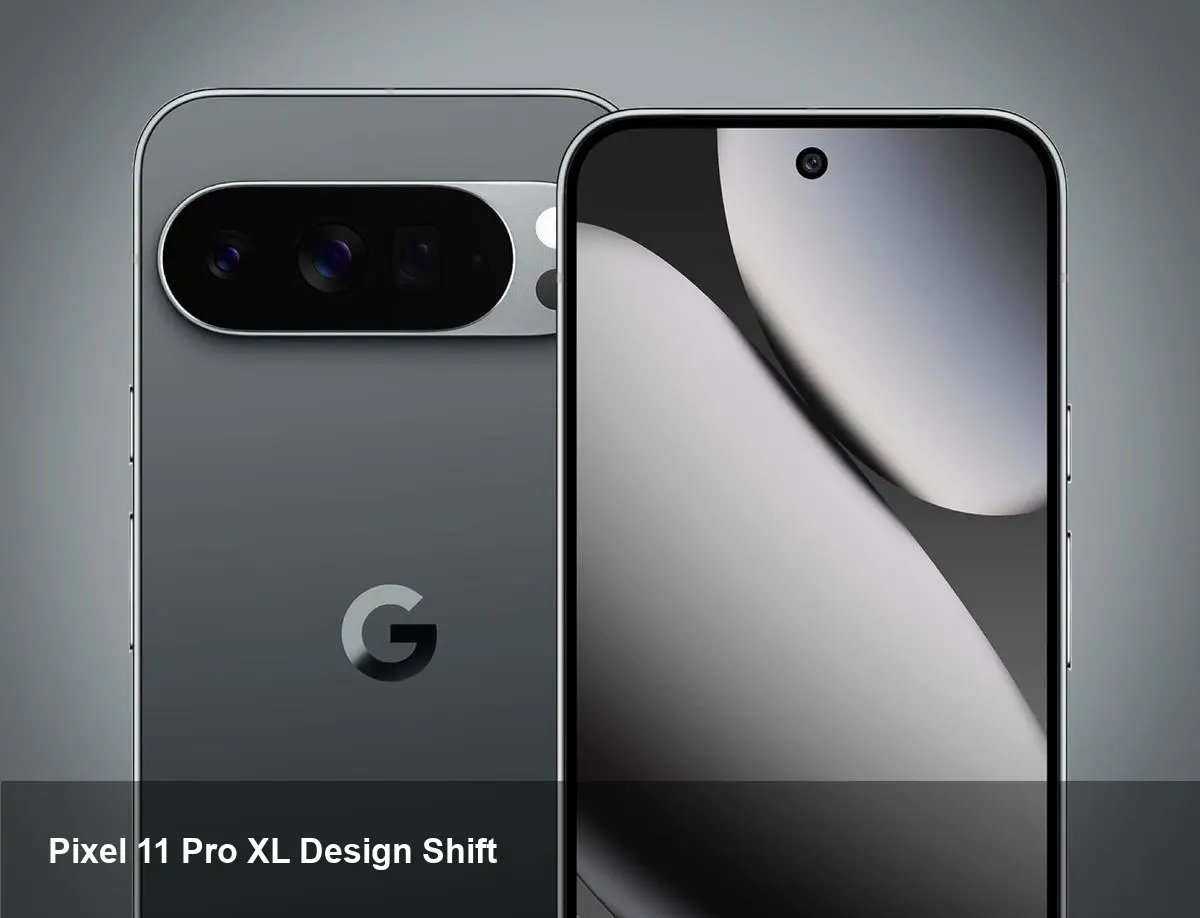
Why a case listing matters more than it sounds
A protective-case mockup dropped by an accessory maker months before Google's official launch has set off the usual ripple of rumor sites and enthusiast forums. A case isn't a press render, but it can be a dependable early indicator of physical changes: where buttons live, how big the camera module is, how the edges curve, and whether ports or speaker cutouts have moved.
For anyone who builds apps, makes accessories, or spends a lot of time with phones in their pocket or camera bag, those details aren't trivia. They drive design decisions, manufacturing runs, and even user ergonomics. The recent Pixel 11 Pro XL case listing points to a tangible design change for Google's next flagship, and it’s worth unpacking what that means in practical terms.
Quick background: where Pixel sits now
Google's Pixel line has been the company's showcase for Android innovations — both software and hardware. The "Pro" and "XL" badges signal a focus on larger-screen productivity, more advanced camera hardware, and premium materials. Each generation has nudged the product toward better computational photography, tighter integration with Google services, and subtle hardware differentiators that accessory makers adapt to quickly.
A case listing months before the Pixel 11 generation's expected debut is routine in the mobile ecosystem: manufacturers build cases from rumored CAD files or early leaks so they can hit store shelves shortly after launch. But the shape and cutouts they publish can be among the earliest consistent signals of how the phone will look.
What the case reveals (and what it probably doesn't)
The most concrete observations from the listing are mostly about silhouette and cutouts:
- Camera module footprint: The case suggests a larger or repositioned camera island compared with earlier models. That usually implies either expanded sensor hardware or a reworked internal layout.
- Button and port placement: The case's cutouts give an early read on where the volume and power buttons will sit and whether the charging port or speaker grills have shifted.
- Edge curvature and thickness: How the case wraps around the sides provides clues about bezel size, edge curvature, and relative thickness — all relevant to grip and pocket comfort.
What a case can't tell you reliably: the final materials (glass vs. ceramic back), internal components (battery size or exact sensors), or software features. Cases reflect exterior dimensions, not specification tradeoffs.
Real-world implications for three audiences
For everyday users
A larger camera island often means improved optical hardware or additional lenses. If you're a mobile photographer, that can translate to better optical zoom or improved low-light performance. But it may also make the phone wobble more on a desk and change how it fits in existing pocket-friendly cases.
Ergonomics matter: any change in button placement or edge curvature can affect one-handed use. XL models are already a stretch for single-hand operation; subtle shifts in where the power button sits change accessibility for people who prefer one-handed reachability.
Practical tip: avoid pre-ordering snap-on cases from third-party vendors months ahead. Wait for official specs or case makers who explicitly confirm compatibility with the retail model.
For accessory manufacturers and retailers
Case makers who pre-list products are betting on CAD leaks and early molds. That moves the supply chain faster but increases the risk of unsellable inventory if Google finalizes a different layout.
Operationally, manufacturers need contingency: flexible production runs, modular tooling, and clear return or swap policies with retailers. For retailers, marketing placeholder listings helps capture search traffic and gauge demand, but they must manage customer expectations and update product pages as official details emerge.
Concrete action: if you run an accessory business, prioritize modular tooling that can be tweaked for small dimensional shifts (millimeters matter), and maintain close communication with suppliers who handle injection-molded tooling.
For app and system developers
A physical redesign can ripple into software. A bigger camera module often means new sensors or wider field-of-view — that affects default aspect ratios, camera API behavior, and how camera previews map to the screen. If the device introduces new cutouts or changes the bezel, developers should revalidate UI safe areas and account for potential new notches or camera-housing intrusions.
For developers working on camera apps, pay attention to any mention of new lenses or sensor configurations in subsequent leaks or official docs. Those affect cropping, stabilization strategies, and image-stitching workflows.
Practical developer checklist:
- Test layouts against new safe-area insets rather than fixed pixel values.
- Avoid hard-coding UI for a single aspect ratio.
- Keep an eye on Android compatibility notes once Google publishes the device's official Android build and kernel sources.
What this means for Google's strategy
A perceptible exterior change suggests Google wants the Pixel 11 Pro XL to stand out physically as well as in software. Larger camera islands across the industry have been part form and part function: a visual signifier of advanced photography, while accommodating bigger sensors and periscope zoom hardware.
This iteration could underscore that Pixel is doubling down on camera differentiation — an area where Google has consistently competed with Apple and Samsung. It also underscores the coordination required between Google's hardware teams, component suppliers, and accessory partners.
How to read leaks like this (rules of thumb)
- Treat case listings as high-confidence indicators of exterior geometry but low-confidence indicators of internal specs.
- Cross-reference with regulatory filings (FCC documents), reliable CAD leaks, and official Google imagery before making procurement or development decisions.
- Expect small dimension adjustments between case listing and retail unit; manufacturers sometimes change placement by a few millimeters during final engineering.
Looking ahead: three practical implications
- Accessory ecosystems will adapt faster but expect some churn: early-case listings shorten time-to-shelf but raise return risk.
- Camera-centric features are likely to be emphasized in marketing; photographers and content creators should watch for optical zoom improvements and sensor upgrades.
- For app developers, designing around flexible safe areas and multiple aspect ratios remains the best insurance against unexpected physical changes.
If you are shopping, designing accessories, or shipping an app soon, use the leak as a heads-up rather than a final blueprint. Hold major purchases and production runs until Google confirms the Pixel 11 Pro XL’s measurements — but start planning for a phone that might prioritize an evolved camera layout and slightly different ergonomics than previous Pixel XL models.