Memory Crunch: Why Your Next Phone Could Cost 30% More

Key Takeaways:
- AI data centers are consuming large shares of memory (DRAM/NAND), driving component prices higher.
- Executives from Nothing, Samsung, Dell, HP and Lenovo warn device prices may rise across 2026.
- IDC and TrendForce forecast higher device prices and lower smartphone shipments in 2026.
- Some models using UFS 3.1 storage could see the biggest increases; smaller brands face the most risk.
Why prices are rising
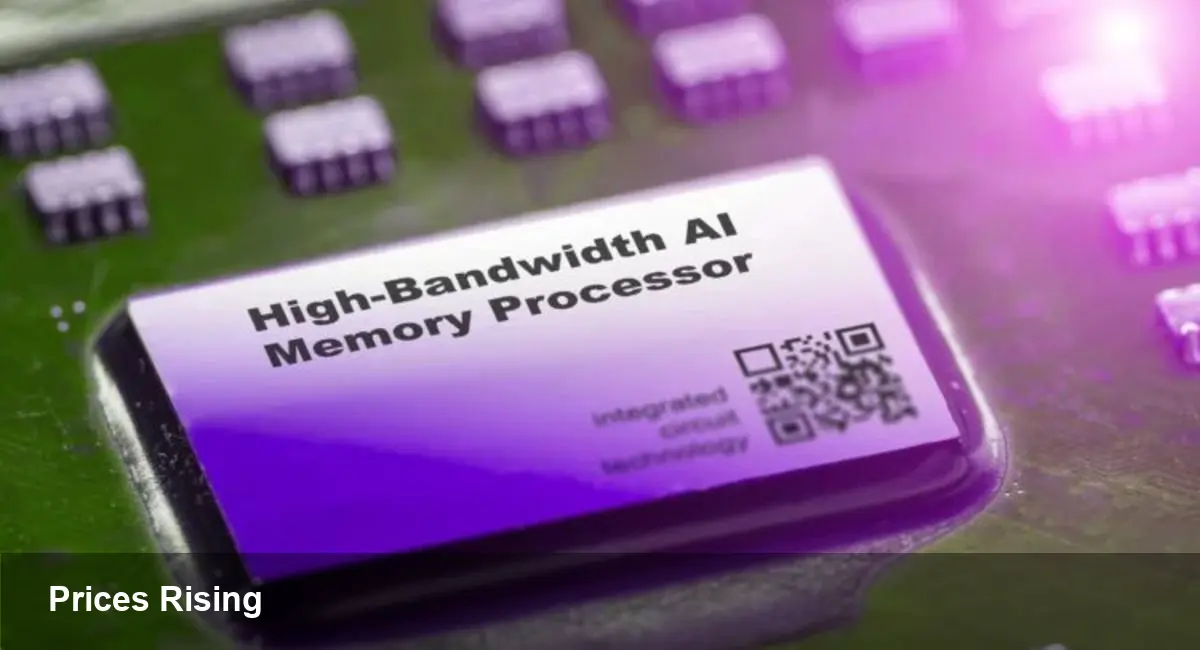
Smartphone and PC makers are confronting a memory shortage as AI data center expansion soaks up DRAM and NAND supply. That shift is squeezing the pool of memory components that traditionally served consumer devices.
Nothing founder and CEO Carl Pei warned on X that memory costs have in some cases tripled, and companies must either cut specs or raise prices. Pei said some models could need price increases of 30% or more to preserve features, and he flagged UFS 3.1-equipped phones launching in early 2026 as especially vulnerable. (Social: https://x.com/getpeid/status/2011264565598912657)
What major companies are saying
Samsung
At CES 2026, Samsung executives acknowledged a severe memory pricing environment. CEO TM Roh and marketing head Wonjin Lee said the company is reviewing pricing to reflect higher component costs, signaling possible list-price adjustments.
PC makers
Dell has warned customers to prepare for potential price increases of 15%–20%. HP CEO Enrique Lores cautioned that the second half of 2026 could be especially difficult for pricing. Lenovo has already told customers that existing quotes expired at the start of 2026 due to shortages and rising demand from AI workloads.
Market forecasts and competitive impact
IDC estimates PC prices may rise 4%–8% and smartphone prices 3%–8% depending on supply tightness. In a weak-demand scenario, IDC expects global device shipments could fall nearly 9%.
TrendForce now forecasts smartphone production will decline about 7% year over year in 2026, a steeper cut than previously expected. IDC device research head Tom Mainelli warned smaller brands could be hit hardest, while large vendors may consolidate share.
What consumers should expect
Expect fewer aggressive low-priced flagship offers in 2026 and more pressure on midrange devices to either drop features or carry higher price tags. Early 2026 launches that rely on older UFS 3.1 storage or higher-capacity NAND may show the largest price moves.
If shortages ease later in the year, price pressure could stabilize. For now, buyers and enterprise procurement teams should plan for higher costs and tighter availability through much of 2026.