Man Builds Working DIY Apple Watch in Shenzhen in 1 Week

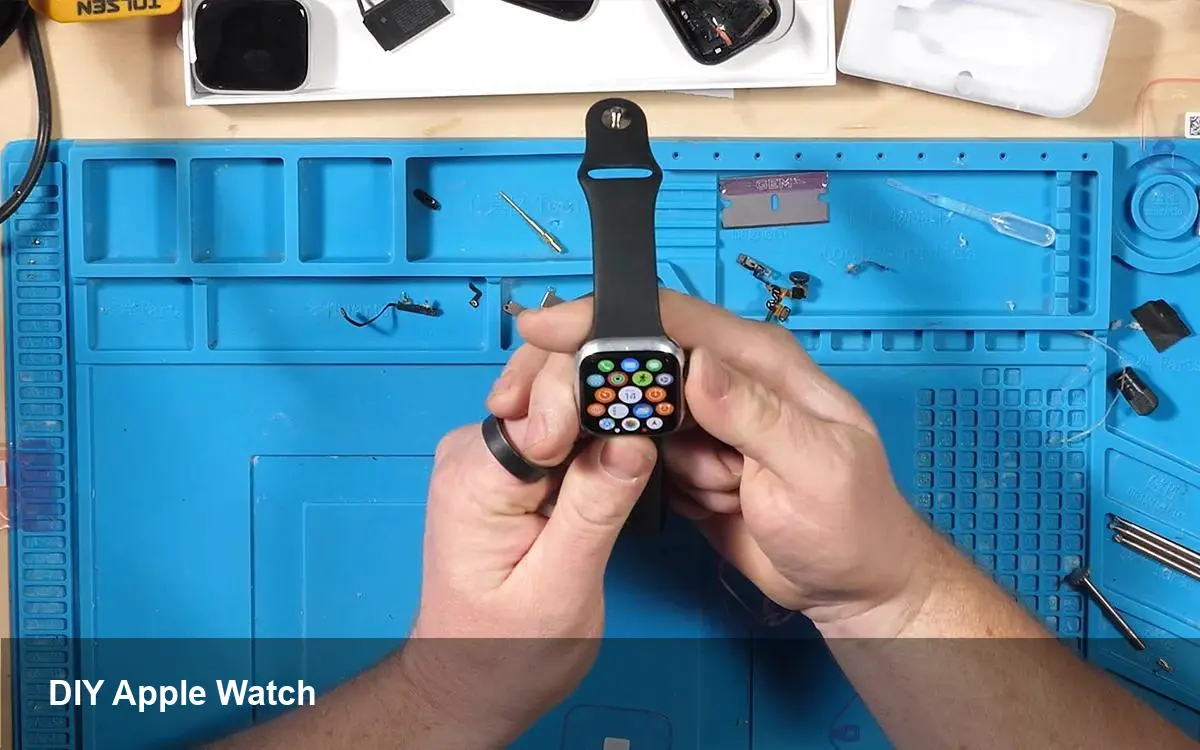
- Built a working Apple Watch replica in one week in Shenzhen’s electronics market.
- Creator Strange Parts teamed with Nest Works, using 3D printing, off-the-shelf parts and a sourced logic board.
- Final assembly and software configuration were completed back in the U.S.; apps including heart-rate monitoring worked.
- Project aimed at enabling future hardware mods and experimental materials.
How the build came together
Strange Parts, the YouTube creator known for DIY tech builds, traveled to Shenzhen — the world’s largest electronics market — to assemble an Apple Watch from scratch within a week. Working with a local partner group called Nest Works, the team reverse-engineered components and produced a near‑authentic aluminum frame, screen, battery and strap using 3D printers and local fabrication tools.
Sourcing a functioning logic board was central to the project. With the physical shell completed in Shenzhen, time constraints forced the creator to ship the case back to the U.S. for final electronics and software work.
Watch the build: https://www.youtube.com/watch?v=DsWTz8NrXOY
Final assembly and software
Back in the U.S., Strange Parts used Apple’s iFixit teardown guides and standard repair practices to install and configure the logic board, battery and display. Once assembled, the watch booted and ran the familiar Apple Watch interface.
Key apps — including the heart-rate sensor — functioned correctly, showing the project yielded more than a cosmetic shell. The creator described the outcome as a “resounding success.”
Challenges faced
Time was the biggest limiter: the team completed a physical shell and some electronics in Shenzhen but could not finish end-to-end assembly before the creator’s return flight. Reverse-engineering an Apple Watch requires precision in mechanical fit, signal routing and sourcing compatible parts — especially the logic board and sensors.
The build relied heavily on Shenzhen’s dense supply chain and fabrication ecosystem: CNC and 3D printing for the case, local suppliers for screens and batteries, and skilled technicians to integrate components.
Why this matters
Strange Parts framed the project as more than a one-off. “This project wasn’t just about building this watch, it’s about building the next one that has some cool modification or is made out of some new material,” he said. The successful prototype demonstrates how accessible advanced hardware experimentation has become when you combine maker know-how with Shenzhen’s component market.
While not a commercial Apple product, the build highlights possibilities for personalized hardware, aftermarket modifications and rapid prototyping for wearables.