MacBook Neo: Why the replaceable keyboard matters

A quiet shift in Apple’s repair strategy
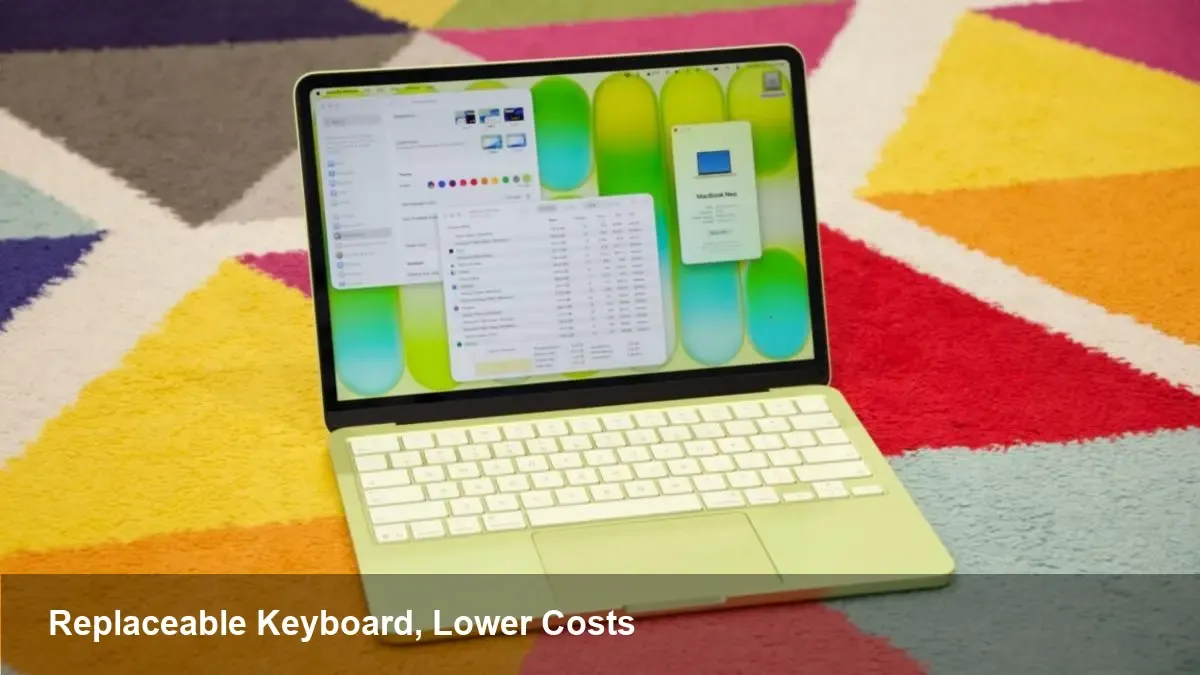
Apple’s MacBook Neo signals a meaningful — if incremental — change in how the company designs laptops for maintenance. The headline feature is simple: a keyboard that can be removed and replaced far more easily than on recent MacBooks. For end users, IT teams, and repair shops this isn’t just convenience; it changes economics, downtime, and sustainability calculations.
Below I unpack what the MacBook Neo’s replaceable keyboard actually means in practice, how it affects developers and businesses, and what to watch for as repairability becomes a more visible design choice.
Why the keyboard matters more than you might think
Keyboards are one of the most failure-prone parts of a laptop. Spills, sticky keys, worn keycaps and controller failures produce a disproportionate number of service calls in both consumer and enterprise fleets. Historically, many modern Apple laptops sealed the keyboard into the top case or made it difficult to swap without major disassembly. That pushed repairs into expensive full-top-case replacements and long waits at service centers.
With the MacBook Neo, Apple has engineered a keyboard assembly that detaches independently. Practically, that reduces the complexity of a repair from a multi-hour surgery involving heat, adhesives, and delicate flex cables down to a focused replacement using a smaller set of tools and parts.
Concrete examples: how this plays out for users and IT
- Small startup IT team: Imagine a four-person dev team where one MacBook Neo has a spilled coffee incident. Instead of shipping the machine off or keeping the employee offline for multiple days, the IT manager can carry a spare keyboard module and perform a field swap during a lunch break. Less downtime means sprint velocity and productivity don’t grind to a halt.
- Independent repair shop: A local shop that services mixed-brand laptops can now offer competitive pricing on keyboard repairs for MacBook Neo units. The repair becomes a one-hour job instead of a same-day or multi-day return for a full-case replacement, lowering labor costs and allowing quicker throughput.
- Individual user: For power users who prefer to keep their machines for many years, a replaceable keyboard reduces the chance that a single component failure forces an otherwise healthy machine to be retired prematurely.
Business and developer implications
- Total cost of ownership (TCO): Easier keyboard repairs lower per-device maintenance costs. For companies managing hundreds or thousands of devices this translates to measurable savings on parts, labor, and downtime.
- Fleet management: Spare-part inventories become more granular. Instead of stocking entire top-case assemblies, procurement teams can purchase keyboard modules, reducing inventory value and simplifying logistics.
- Developer workflows: For developers who depend on fast turnaround for hardware issues (think embedded engineers or mobile developers), less downtime maintains momentum. Quick on-site repairs also make it simpler to support machine-specific testing and deployments without long interruptions.
Environmental and regulatory angles
Replaceable components extend device lifespans and reduce e-waste. Swapping a keyboard instead of replacing an entire top case saves raw materials and the emissions associated with shipping and manufacturing new assemblies.
This design move also intersects with the Right to Repair movement. Easier-to-replace parts give independent repair providers and consumers more options, which could reduce regulatory friction and satisfy policy demands for more serviceable electronics.
Limitations and practical cautions
The MacBook Neo’s replaceable keyboard is an important step, but it’s not a blanket fix for all repairability issues:
- Other components still matter: Batteries, displays, and logic boards frequently involve adhesives, soldered components, or proprietary connectors. If those remain difficult to service, overall repairability gains are partial.
- Warranty and certification: DIY replacements often affect warranty status. Apple will likely route warranty claims through Authorized Service Providers for official parts and diagnostics, so businesses should weigh the cost-benefit of DIY against certified service.
- Spare part sourcing: Initially, genuine replacement modules may be available only through Apple channels or certified partners. Aftermarket alternatives may appear, but quality and compatibility will vary.
- Security and calibration: Modern keyboards can include sensors and controller firmware that require calibration or software pairing. Repair workflows must include the necessary firmware updates and validation steps to avoid unexpected behavior.
How repair workflows change: practical tips
- For IT teams: Start tracking keyboard failure rates separately from other top-case issues. Adjust procurement to include a small stock of keyboard modules and the necessary drivers or firmware images.
- For repair shops: Invest in quick diagnostic procedures for keyboard controller firmware and test rigs that validate key matrix and backlight before returning units to customers.
- For DIYers: Back up your machine, follow ESD precautions, and confirm whether the replacement part needs firmware pairing. If you rely on AppleCare, check whether removing a keyboard yourself will affect coverage.
What this signals for the future
- Modularization may accelerate: If the MacBook Neo is well received, expect Apple and competitors to explore other modular or serviceable components — particularly in enterprise-focused models where uptime is critical.
- Pressure on spare-part ecosystems: Repair shops, parts vendors, and certification programs will adapt. That means more third-party parts, faster turnaround, and potentially independent certification pathways for repairs.
- Policy and procurement shifts: Governments, large enterprises, and schools that issue laptops at scale may prioritize models with clear serviceability benefits. That could influence product roadmaps and procurement contracts.
The MacBook Neo shows that small design choices — like making a keyboard replaceable — can ripple across user experience, service economics, and sustainability. It won’t solve every repair problem, but for anyone who values uptime and lower maintenance costs, it’s a welcome and practical step.