How Google Pixel Colors Evolved Since the First Pixel

Why the color palette of a phone matters
Color on a smartphone is far more than an aesthetic flourish. It tells a customer which generation they own, influences accessory demand, and plays into the phone's perceived personality: understated and professional, playful and youthful, or premium and restrained. For makers of cases, carriers, retailers, app designers and marketers, understanding the evolution of Pixel colors gives practical signals about demand and positioning.
A quick timeline of notable shifts
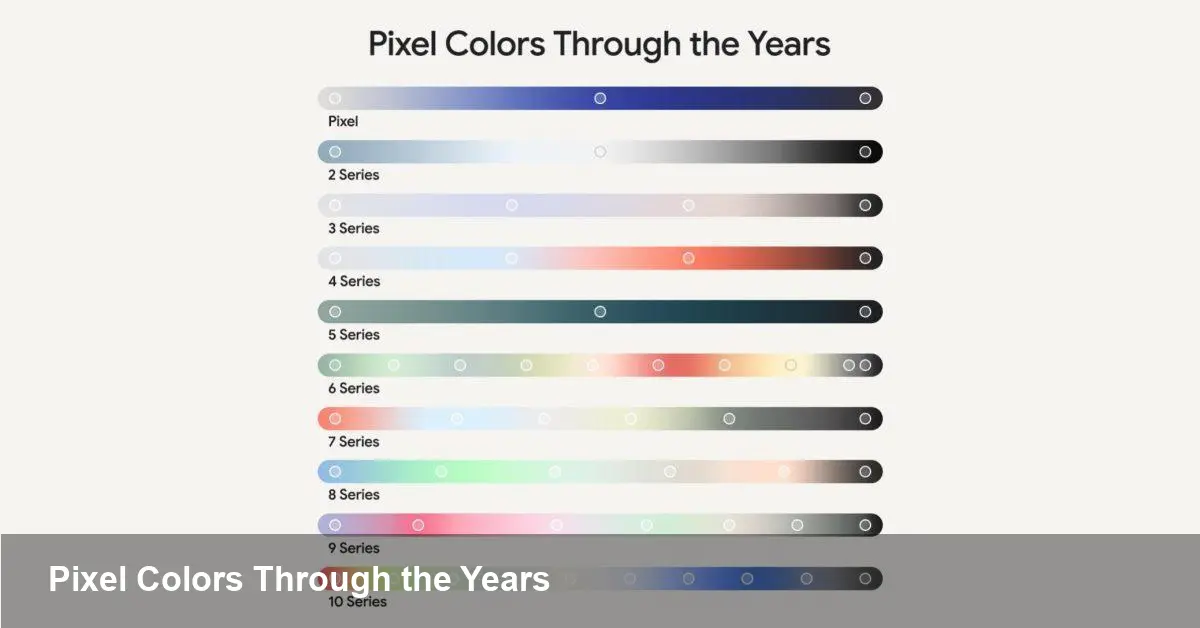
- 2016–2018: The early Pixel phones kept a conservative, two- or three-tone approach — mostly blacks, whites and a single accent blue on some models. These finishes emphasized handset hardware and camera capabilities rather than fashion.
- 2018–2019: Google started experimenting with softer pastels and bolder accent names. Subtle colors and two-tone finishes appeared more commonly, giving phones a friendlier, lifestyle-oriented look.
- 2019–2020: The Pixel 4 generation pushed a very visible accent color (famously an orange option) that made the device instantly recognizable in photos and retail displays.
- 2020–2022: With later models Google introduced muted greens and sage tones alongside classic blacks and whites, along with more playful mid-tier options.
- 2021 onward: The Pixel 6 design language introduced strong color-blocking on the chassis and coincided with Android’s Material You theming, which tied hardware color and on-screen palettes together in users’ minds.
I’ve avoided listing every official color name to focus on the trend: a move from conservative, stand-alone finishes to bolder, personality-driven choices that interact with software theming.
How Material You changed the color conversation
Android 12’s Material You (debuted in 2021) allowed the system to extract colors from a user’s wallpaper and apply them across the UI. For Pixel devices, that meant hardware color and software palette began to speak to each other. A phone in a warm orange or sage green didn’t just look different physically — users could create a whole cohesive experience that matched their device or mood.
For app developers and designers this is a practical pivot: instead of shipping a one-size-fits-all palette, apps should respect dynamic system coloring, test UI legibility against variable accents, and avoid hard-coded brand colors that clash with user-selected themes.
Real-world scenarios where Pixel color choices matter
- Case and accessory manufacturers: If you make silicone cases, a muted sage or pastel sold well for a Pixel generation, you should calibrate stock levels for carriers that move those devices fast. Also design mockups photographed on complementary backgrounds to highlight — not hide — the device hue.
- Retail and e‑commerce: Hero photography benefits from a thoughtful color strategy. Bright accents (like an orange model) pop on social tiles; neutrals perform better in lifestyle imagery. When running PPC or social campaigns, segment creative by color to track which finishes drive conversions.
- UX and mobile app teams: Expect users’ Material You color schemes to influence your app chrome. Test color combinations for contrast and readability across light, dark, and dynamic palettes.
- Resale and trade-in ops: Popular limited or eye-catching colors often hold value in secondhand markets. Track which finishes buyers ask for and prioritize procurement accordingly.
Business and product implications
Color choices are a low-cost lever for differentiation. A new shade can refresh a model mid-cycle and generate earned social media attention. But they also create complexity: painting processes, different supply SKUs, and inventory fragmentation can increase manufacturing and logistics costs.
For smaller brands or accessory makers, the safe strategy is to prioritize color variations that dominate sales for the platform segment you serve. For larger retailers, offering a broad palette can be a customer acquisition tool — but demands careful forecasting.
Practical design and marketing tips
- When photographing phones, choose backgrounds that contrast but don’t clash. Warm phones on warm backgrounds can feel monochrome; a neutral background often allows the color to read clearly.
- For app UI, avoid exact-color branding in primary navigation; instead, adopt adaptable assets and test in multiple Material You-derived palettes.
- For merchandising, label product pages with finish names and representative swatches; many buyers choose a finish first and model second.
- Monitor limited editions and special finishes. Small-batch colors (holiday editions, carrier exclusives) often have outsized social traction.
Three forward-looking implications
- Software-first personalization will reduce the hardware-only role of color. As dynamic theming becomes ubiquitous, users can express color identity on-screen regardless of chassis hue, making color choices a complementary, not exclusive, form of expression.
- Sustainability and supply-chain pressures will likely push brands to limit mid-cycle color permutations. Expect fewer frivolous finishes and more emphasis on recyclable materials and durable coatings.
- Color will remain a marketing asset. Limited runs and collaborations (e.g., artist- or brand-partnered finishes) are a predictable way to create scarcity and social media buzz without changing core hardware.
What this means for creators and product teams
Think of device color as a multi-dimensional signal: it informs photography, app theming, accessory design, resale behavior and brand perception. If you’re shipping an accessory, plan SKUs around historically popular finishes and prepare marketing that showcases how your product complements the device color. If you’re designing an app, invest time in testing across dynamic palettes and ensure readability. For retailers and product managers, treat color inventory as a strategic lever — not just an afterthought.
Colors will keep evolving, but the most important shift has already happened: hardware finishes now converse with software. That changes how we design, sell, and photograph phones — and offers new opportunities for creativity and differentiation.