How Apple’s MacBook Neo TikTok Push Hooks Gen Z

A micro‑campaign built for short attention spans
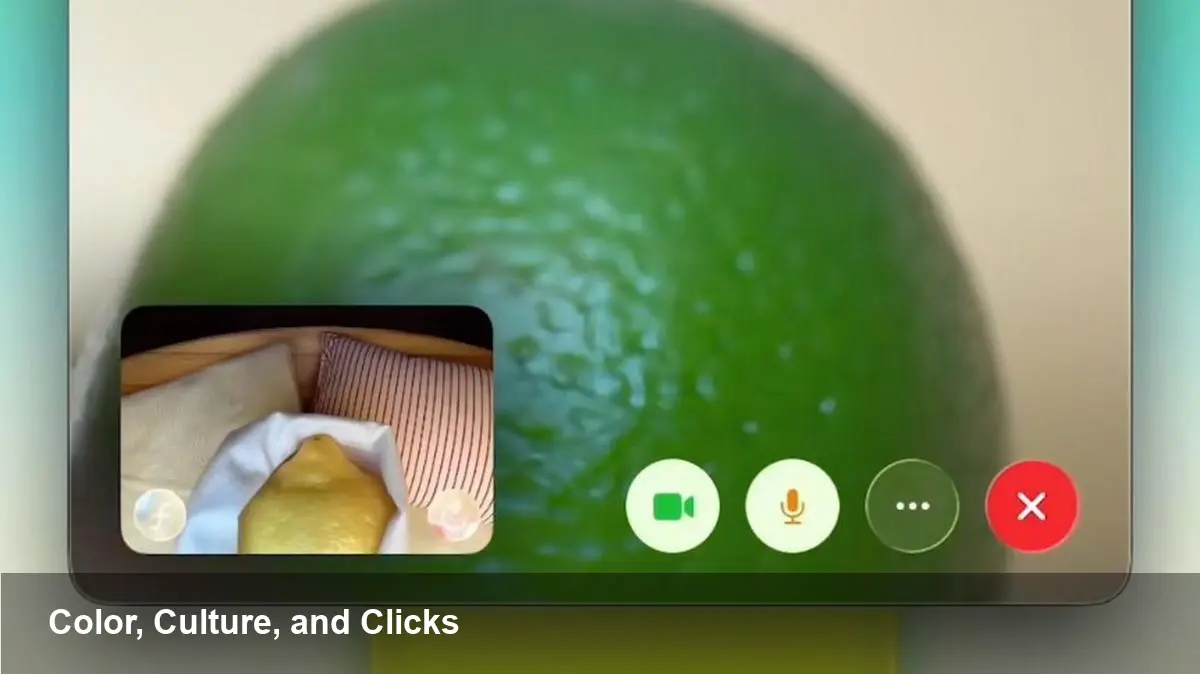
Apple quietly launched a sequence of short, intentionally odd TikTok videos to promote the MacBook Neo. Rather than run long ads or traditional product demos, the company is rolling out sets of three bite‑sized clips tied to specific colorways — Blush, Citrus and Indigo — with Silver expected to appear as well. The clips lean into aesthetic, mood and surprise over specs, and they’re clearly targeted to a younger audience whose media diets live on social platforms.
Quick background: MacBook Neo and why color matters
MacBook Neo is Apple’s latest entry aimed at blending performance with personality. While Apple’s hardware track record draws attention from professionals and creatives alike, this release puts color front and center. In consumer electronics, color choices do more than match décor — they become identity signals. For Apple, highlighting distinctive shades in a social campaign reframes the laptop as a lifestyle object, not just a tool.
Dissecting the campaign: format, timing, and intent
Apple is posting the videos in grouped drops — three per batch — each corresponding to a color. The approach is simple but effective:
- Short clips that favor mood and curiosity over feature walkthroughs.
- Repetition across colors builds a serialized rhythm; viewers expect the next drop.
- Platform-native creative: the videos use TikTok’s language (quick cuts, visual hooks, meme energy).
That combination nudges algorithmic discovery: short, repeatable content increases the chance of looping, resharing, and remixing by creators.
Why this plays well with Gen Z
- Visual-first identity: Younger buyers treat devices as a personal statement. Color drives emotional attachment faster than clock speeds.
- Platform fluency: Gen Z spends substantial time on TikTok and trusts peer signals there more than traditional ads.
- Shareability: Quirky or ambiguous content invites interpretation, duet chains, and user‑generated responses — all fuel for viral reach.
Put together, the campaign prioritizes attention and cultural relevance over immediate product education.
Real-world scenarios: how different audiences react
- Individual consumer: A student scrolls past, sees the Blush clip, tags friends, and then searches local stores for that hue. The purchase decision is influenced first by aesthetic fit, then by technical fit.
- Creator/influencer: A TikToker remixes the Citrus clip into a duet showing their daily setup, driving authentic discovery and product placement without a formal partnership.
- Enterprise buyer: IT teams notice the buzz but still rely on specs, compatibility, and lifecycle costs. Color-savvy campaigns can influence workplace buy-in for hot-desking or employee choice programs, but rarely override procurement criteria.
Practical implications for developers and accessory makers
Developers building Mac apps and accessories should read this campaign as a signal. When the hardware becomes a lifestyle item, opportunities open up:
- UI theming: Offer app themes that align with device colorways (Blush mode, Citrus accents) to deepen personalization.
- Accessory bundles: Case makers, skins, and docks can time product drops with device color launches to capitalize on peak interest.
- Content partnerships: App developers can collaborate with creators who produce TikTok trends tied to a color or mood, turning cultural moments into installs.
For software teams, the lesson is to think beyond specs: integrate visual identity into onboarding and marketing assets.
Business value and launch lessons
Apple’s tactic illustrates several concrete benefits for companies launching hardware:
- Rapid awareness: Short, platform-native content can generate huge impressions quickly and cheaply relative to TV or print.
- Cultural footing: Positioning a device as an expression of identity creates earned media and creator adoption without paid placements.
- Testing ground: Dropping different creative styles across batches acts like A/B tests for tone and voice.
However, this approach isn’t a substitute for deeper conversion funnels. Brands still need landing pages, demo materials, and retail availability to convert curiosity into sales.
Measurement: engagement vs. conversion
Metrics to watch in campaigns like this differ from traditional launches. Top‑line views, completion rates, shares, and duet/remix counts indicate cultural traction. To connect that to revenue, track referral traffic, search volume for specific color names, and in‑store visits. Attribution will be messy — expect a blend of brand lift studies and short-term spikes in queries rather than clean, last‑click attribution.
Risks and limitations
- Misreading the audience: What seems playful to Gen Z can feel off-brand to older segments.
- Over-reliance on style: If aesthetics overshadow usability, early adopters may feel baited when specs or pricing don’t match expectations.
- Platform volatility: A social platform’s algorithm changes can abruptly mute a strategy that depends on viral mechanics.
Brands must balance cultural marketing with clear product information and accessible buying paths.
What this means for future product launches
- Color as product feature: Expect major consumer tech brands to treat color and finish as headline features, not mere SKUs.
- Social‑first testing: Short, experimental creatives on platforms like TikTok will be used more often as market tests before formal ad campaigns.
- Creator ecosystems matter more: Building authentic creator partnerships and enabling remixes will be a standard part of launch toolkits.
A few strategic takeaways
- If you’re launching hardware, plan synchronized drops: product, color‑matched accessories, and creator assets.
- Developers should embed visual customization into app roadmaps to align with hardware personalization.
- Marketers should measure both cultural signals (shares, remixes) and commercial indicators (search lift, in‑store traffic) to get the full picture.
Apple’s MacBook Neo TikTok push shows that in an age of short attention spans, cultural resonance can be as important as technical lead. The campaign doesn’t replace specifications or retail strategy, but it amplifies discovery — and in a crowded market, being discovered first often determines who gets the sale.