Google teases AirDrop for more Android phones

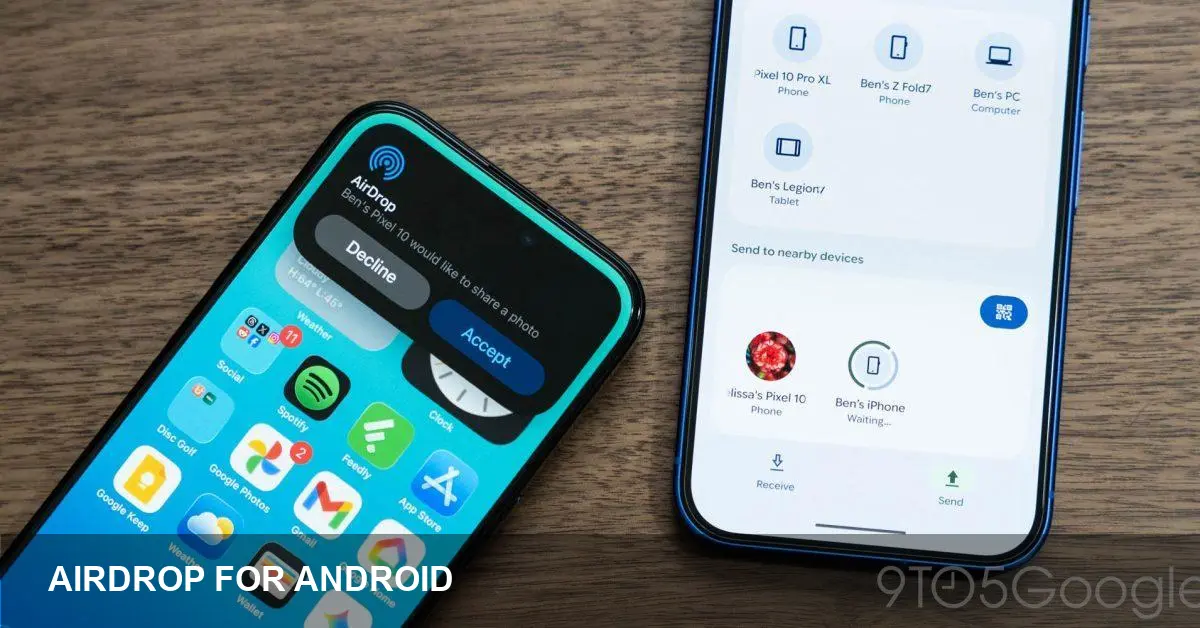
- Google vice president teased that Android's Quick Share will add support for AirDrop "very soon".
- The move could make iPhone–Android file sharing simpler without third-party apps.
- Google provided no firm timeline or technical details; Apple’s role is unclear.
- Watch for follow-up from Google or Android release notes for availability and security details.
What Google announced
A Google vice president has teased that Android's Quick Share feature will add support for AirDrop on more phones "very soon." The announcement was brief and high level, framed as a coming enhancement rather than a firm launch.
Quick Share is Google's answer to quick, local file transfers on Android, while AirDrop is Apple's long-standing peer-to-peer sharing system used across iPhone, iPad and Mac. Combining or bridging those experiences would reduce the friction of moving photos, links and files between iPhones and Android devices.
Why this matters
Cross-platform file sharing is a frequent pain point for consumers who use both iPhone and Android devices. Native support would reduce reliance on third-party apps, messages, or cloud uploads to transfer files between ecosystems.
For Android users, built-in AirDrop compatibility via Quick Share could mean faster, more reliable local transfers with iPhones. For iPhone users, it could simplify sharing with friends or family who run Android, improving everyday convenience.
How it might work (and unknowns)
Google did not release technical details. It’s unclear whether support will rely on implementing an interoperable protocol, reverse-compatible features in Quick Share, or any cooperation from Apple.
Security and privacy will be important. AirDrop’s privacy protections are well-known, and any cross-platform implementation must preserve permissions and contact discovery behavior to avoid exposing users to unwanted transfers.
What to watch next
Expect more concrete information in Google announcements, Android release notes, or during major events like Google I/O. Carrier and manufacturer updates could also determine which Android models get the feature first.
Until Google provides specifics, users should treat the tease as an early signal rather than an immediate change. Keep an eye on official Google channels for timelines, device lists, and security details.