Google Home Targets Long-Standing Smart-Home Shortfalls

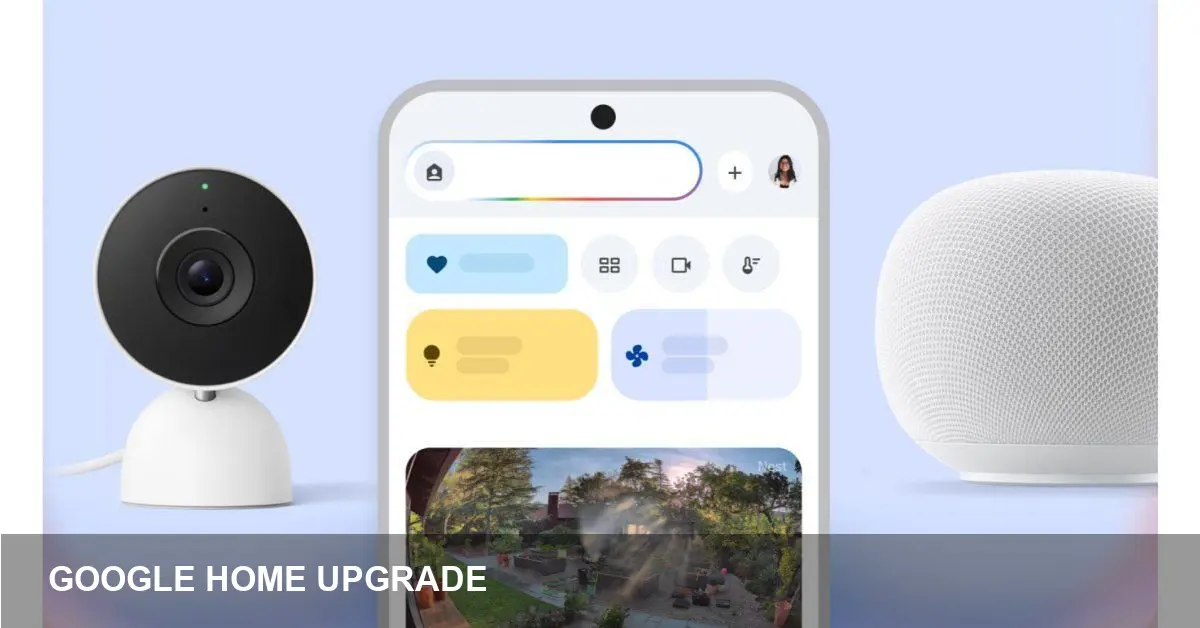
• Google Home is beginning to address long-standing feature gaps that have frustrated users. • Key opportunities remain in privacy controls, local processing, multi-room reliability and richer automations. • Fixes will affect daily convenience, device compatibility (Matter/Thread), and trust—what users ask for next matters.
What's changing — and why it matters
The Google Home experience has always combined a powerful Assistant, a wide device ecosystem and solid integrations with major services. But for years many users have pointed out missing or inconsistent features that reduce the day-to-day usefulness of the platform.
Google appears to be taking those complaints more seriously. Addressing these gaps matters beyond convenience: it affects compatibility across devices, trust in privacy behavior, and whether a home runs reliably without constant tinkering.
Most-requested improvements users keep asking for
Privacy and local processing. Many owners want more local processing options so basic commands and automations run without hitting the cloud, and clearer toggles for microphone and data-sharing controls.
Smarter, more reliable routines. Users ask for easier-to-build automations that react to context (time, presence, device state) and execute reliably across different brands and the Google Home app.
Better multi-room audio and device stability. Multi-room playback and speaker grouping still causes dropouts or lag for some setups. Improved sync and clearer troubleshooting would reduce friction.
Broader, simpler device compatibility. With Matter and Thread entering the smart home mainstream, easier onboarding and consistent behavior across third-party devices remains a top priority.
How Google could prioritize fixes
Focus first on reliability and transparency. Small, reliable wins—like guaranteed routine execution, robust group audio, and explicit privacy controls—provide immediate value and restore trust.
Provide more local-first options. Let users choose local execution where possible and make the trade-offs clear in the UI. That helps performance and privacy at once.
Invest in tools for power users and novices. Template-based automations for casual users, and advanced debugging logs or exportable automations for power users would reduce support friction.
Your turn: what should Google prioritize?
If Google Home is finally closing old gaps, the next step should be listening to user priorities. Are you focused on better privacy, audio reliability, wider Matter support, or something else entirely? Share the top three changes you want to see—those priorities will shape how useful smart homes become for everyone.